
Get a Quote

Author: SRS Blog

  • Can Cleaners Work Around Pets? A Safe Plan

    Can Cleaners Work Around Pets? A Safe Plan

    A dog barking at the vacuum, a cat hiding under the bed, or a curious puppy following every new person can make a cleaning appointment feel complicated. So, can cleaners work around pets? Usually, yes – with a little preparation, clear communication, and a plan that puts your pet’s comfort and safety first.

    You should not have to choose between a clean home and a calm pet. The goal is to create a workable setup: cleaners can access the areas included in the appointment, while your pet has a secure, familiar place away from equipment, open doors, and cleaning products.

    In This Guide

    • What a pet-friendly cleaning plan looks like
    • What to tell your cleaning team before they arrive
    • Where pets should stay during cleaning
    • How to prepare pet areas and surfaces
    • When professional cleaning is especially helpful
    • Questions to ask before scheduling

    Can cleaners work around pets safely?

    They can, but the safest arrangement depends on your pet’s temperament, your home layout, and the type of cleaning planned. A relaxed older dog may be comfortable resting in a closed bedroom. A nervous cat, energetic puppy, territorial dog, bird, or other small pet may need more separation and a quieter plan.

    Cleaning involves movement between rooms, supplies being carried in and out, vacuums, mops, and occasionally doors opening. Even a friendly pet can become startled or slip outside during a busy arrival. For that reason, it is usually better not to expect a cleaning team to supervise your pet while completing the work.

    Before the appointment, share that you have pets and describe anything relevant. Let the team know which rooms are off limits, whether a pet may bark or hide, whether there are gates to keep closed, and where food, medication, toys, or bedding are located. Clear details help prevent misunderstandings and allow the cleaning scope to be confirmed before the visit.

    Choose a comfortable place for your pet

    For most households, the simplest option is to keep pets in a separate room, crate, enclosed patio, or another secure area while cleaning is underway. Choose a place your pet already knows and can settle in comfortably. Set out water, bedding, and a favorite toy if that helps them relax.

    If you will be home, a walk, car ride, or visit with a trusted family member may be a good choice for a dog that is unsettled by vacuum noise. Cats often do best in a quiet closed room with a litter box, water, and a hiding spot. Do not introduce a new confinement routine for the first time on cleaning day if you can avoid it.

    Birds, reptiles, and small mammals need extra consideration. Their enclosures should remain closed and secure, and their room should generally be excluded from cleaning unless you have discussed it ahead of time. These pets can be sensitive to noise, scents, temperature changes, and unfamiliar activity. Follow their care guidance and ask your veterinarian if you are unsure what environment is appropriate.

    Avoid relying on gates alone

    A baby gate can be helpful inside the home, but it may not be enough for a pet that jumps, squeezes through openings, or becomes excited around visitors. A closed, latched door is generally more dependable. Leave a visible note if there is a room that must stay closed, especially if it contains a pet.

    If your dog is known to guard food, toys, beds, or certain rooms, separate them from the cleaning area rather than asking the team to work around that behavior. This protects everyone and makes the appointment less stressful.

    Give clear instructions before the appointment

    A quick message before the appointment can make a meaningful difference. You do not need to write a long list, but practical details are valuable. Mention the number and type of pets, where they will be during cleaning, and whether there are any areas the team should avoid.

    It also helps to explain access arrangements. If someone else will be home with the pet, let the cleaner know who will be there. If you are leaving a key, garage code, or other access method, confirm that pets will be secured before the appointment begins.

    If your pet has had an accident on carpet, upholstery, or flooring, mention it before scheduling or before the team arrives. Cleaning needs can vary based on the material, how long a spot has been present, and the condition of the surface. Do not assume every stain or odor concern can be addressed with a standard cleaning visit. Asking first gives you a more accurate idea of what may be appropriate.

    Prepare pet areas without overdoing it

    You do not need to make the house spotless before a professional cleaning. A little preparation simply helps the team spend more time cleaning and less time moving items or trying to identify what belongs to your pet.

    Pick up loose toys, food bowls, leashes, and bedding from floors in the rooms you want cleaned. Secure litter boxes and remove any small objects that a pet may have carried under furniture. If possible, clear heavily fur-covered blankets or pet beds from the areas where you want vacuuming or floor cleaning completed.

    For pet hair on furniture, expectations matter. Regular vacuuming can improve the look of upholstered pieces, but embedded fur, delicate fabrics, and furniture construction may limit what can be removed in one visit. Share what you want addressed, particularly if pet hair on sofas, chairs, baseboards, or stairs is a priority.

    Be cautious with surfaces and products

    Never mix household cleaners or leave unlabeled products out for a cleaning team to use. If you have a product you want used in a specific area, provide the label or instructions and make sure it is suitable for that surface. Product labels and manufacturer directions matter, especially for natural stone, sealed wood, specialty flooring, and delicate upholstery.

    Keep pets away from any freshly cleaned floor or surface until it is dry and the room is ready for normal use. That helps prevent paw prints, slipping, and curious licking. If your pet has known sensitivities, tell the cleaning company before the appointment so you can discuss an appropriate plan rather than making assumptions about products.

    When professional cleaning makes the biggest difference

    Pet households often benefit from recurring cleaning because fur, tracked-in debris, paw prints, and kitchen or bathroom buildup do not wait for a convenient week. A regular schedule can reduce the pressure of trying to catch up before guests arrive or after a busy stretch of work, school, and pet care.

    A one-time deep cleaning may make more sense when you are preparing for visitors, moving into a home that previously had pets, getting ready for listing photos, or resetting the home after a season of busy routines. The right choice depends on the condition of the home and the areas that need attention.

    At SRS Cleaning Services, we encourage homeowners to describe their priorities clearly – whether that is floors that collect fur, bathrooms used by muddy paws, or the living room where the whole household gathers. A defined scope makes it easier to plan a visit that supports a cleaner home and a lighter week.

    Questions to ask before you schedule

    If you are arranging professional cleaning around pets for the first time, ask how the company prefers pets to be managed during the appointment and what details they need in advance. Confirm which rooms are included, whether you should remove pet items from certain areas, and what to do if your pet cannot be comfortably separated.

    You can also ask about timing. A quieter time of day may work better for a pet that reacts to activity at the door, while a larger cleaning scope may require more planning around naps, feeding, walks, or household routines.

    The best setup is rarely complicated: secure your pet, communicate the important details, and make the agreed-upon rooms accessible. If you are in Orange County and want help creating a cleaning plan that works around your household routine, request a quote and share your pet-related needs from the start. You relax. We clean.
  • Moveout Deposit Cleaning for Orange County Renters

    Moveout Deposit Cleaning for Orange County Renters

    A stained oven door, a greasy range hood, or dust hiding along baseboards can turn the final days of a lease into a stressful scramble. Moveout deposit cleaning is the detailed cleaning renters do before returning the keys, with the goal of leaving the home in the condition required by the lease and documenting its condition clearly. It cannot guarantee a deposit return, since deposits can involve wear, repairs, lease terms, and a landlord’s inspection, but it can help you avoid leaving preventable cleaning issues behind.

    Start With Your Lease and Move-In Records

    Before buying supplies or setting aside a cleaning day, review your lease, move-in inspection form, and any photos you took when you first moved in. Look for language about carpet care, appliances, blinds, pet-related cleaning, wall marks, and required professional services.

    Your responsibility is usually to remove the dirt, residue, and mess that built up during your tenancy. Normal wear is different. A slightly faded curtain, aged caulk, or a worn traffic path may not be something cleaning can fix. Do not try to disguise damage with a rushed paint touch-up, adhesive, or harsh product. A mismatched repair can create a more noticeable issue during inspection.

    Take current photos before you clean, then take another set after the home is empty and finished. Photograph rooms from wide angles, along with close-ups of appliances, sinks, floors, cabinets, and any pre-existing damage. Keep copies of your communication and receipts for any services you arrange.

    What Moveout Deposit Cleaning Should Cover

    A useful approach is to clean from the highest surfaces down and from the least-used rooms toward the kitchen and bathrooms. Finish one room fully before moving on. This keeps you from re-dusting areas or overlooking details when boxes, moving supplies, and furniture are still in the way.

    Kitchen: Focus on Grease and Food Residue

    The kitchen often takes the longest because residue can be both visible and hidden. Empty every cabinet and drawer, then vacuum or wipe out crumbs before cleaning the interiors. Wipe cabinet fronts, handles, backsplash, counters, sink, faucet, and the space around appliances.

    Clean the oven according to the manufacturer’s instructions. If the oven has a self-cleaning feature, use it only if the manufacturer permits it and you have enough time to ventilate and allow the appliance to cool completely. Grease on the cooktop, burner grates, range hood, and hood filter may need extra attention. Avoid using abrasive pads or harsh powders on delicate finishes, glass cooktops, stainless steel, or coated surfaces.

    Pull out freestanding appliances only when it is safe to do so. The narrow floor area beside and beneath a refrigerator or stove is easy to miss, but it is often checked. Clean the refrigerator after it is emptied and unplugged only if the appliance instructions allow it. Dry it thoroughly so odors and moisture are not trapped inside.

    Bathrooms: Address Mineral Buildup Carefully

    Bathrooms need more than a quick wipe. Clean the toilet inside and out, including the base, seat hinges, and surrounding floor. Wipe mirrors, vanity drawers, cabinet fronts, light switches, towel bars, shower walls, tub surfaces, faucets, and drains.

    Hard-water spots are common in many Orange County rentals, especially around shower doors and faucets. Use a cleaner suitable for the specific surface and follow the product label. Natural stone, painted surfaces, specialty coatings, and some fixture finishes can be damaged by acidic or abrasive cleaners. Never mix cleaning products, especially bleach with vinegar, ammonia, or other cleaners.

    If caulk is stained, cracked, or pulling away, cleaning may not solve the problem. Treat that as a maintenance question for the property manager rather than scraping or applying a quick cover-up without permission.

    Bedrooms and Living Areas: Check the Edges

    Once furniture is out, the details become much easier to see. Dust ceiling fan blades, vents, blinds, window sills, baseboards, door frames, closet shelves, and light fixtures as appropriate. Wipe switches and door handles, then vacuum carefully along walls and in closet corners.

    For marks on painted walls, start gently with a soft microfiber cloth and a small amount of surface-safe cleaner. Test an inconspicuous area first. Aggressive scrubbing can leave a shiny patch, remove paint, or create an obvious difference in texture.

    Clean windows only if they are part of your lease requirements and can be reached safely. Do not lean out of upper-story windows or use methods that could damage screens, tracks, tint, or glass coatings.

    Floors, Carpets, and Outdoor Areas

    Vacuum hard floors before mopping so loose grit does not scratch the surface. Use the right amount of moisture for the flooring type. Excess water can damage wood, laminate, and some vinyl plank floors, while the wrong cleaner can leave a cloudy film.

    Carpets deserve a close inspection in daylight. Vacuum slowly in multiple directions, check edges and closets, and spot-treat only with a product approved for the carpet. Test spot products in a hidden area first. If your lease requires professional carpet cleaning, follow its specific instructions and retain the receipt.

    If your rental includes a balcony, patio, garage, or entry area, remove personal belongings and sweep out loose debris. Follow building rules before rinsing surfaces or using any cleaning product outdoors.

    A Practical Final Walk-Through

    The best moveout cleaning is not just thorough. It is easy to inspect. After the home is empty, walk through it as if you are seeing it for the first time. Turn on lights, open cabinets, stand at each doorway, and look at surfaces from different angles.

    Pay special attention to the areas people often miss:

    • Cabinet tops, drawer interiors, and shelves
    • The floor behind toilets and beside appliances
    • Inside the microwave, dishwasher, and refrigerator
    • Blinds, window tracks, and sliding-door tracks
    • Closet floors, baseboards, and door frames
    • Trash bins, mailbox keys, garage remotes, and any belongings left behind

    Finish by taking out trash, replacing any burnt-out bulbs only if permitted by your lease, and checking that all personal items are removed. A nearly empty cabinet or one forgotten charger can complicate an otherwise clean turnover.

    When DIY Cleaning Is Enough and When to Call for Help

    You can often handle moveout cleaning yourself when the home has been regularly maintained, you have a full day or more after moving out, and the work is primarily routine dust, kitchen residue, bathroom buildup, and floor cleaning.

    Professional help can make sense when your move is on a tight timeline, the home is larger than you can reasonably finish alone, or the kitchen and bathrooms need concentrated detail work. It can also be useful when you are coordinating a rental turnover from out of town or need a clear cleaning scope before the appointment.

    Cleaning has limits. Deep cleaning can remove buildup and improve presentation, but it does not repair broken blinds, damaged flooring, holes in walls, persistent odor sources, or appliance problems. If you see an issue that looks like damage or a maintenance concern, document it and contact the property manager rather than assuming cleaning will resolve it.

    Make the Last Day Less Stressful

    Do not leave the entire job for moving day. Pack a small cleaning kit separately, schedule time after furniture is removed, and give yourself daylight for the final inspection. If you hire help, clear the home as much as possible first and communicate any lease requirements, areas of concern, parking details, and deadline. A confirmed scope helps everyone focus on the work that matters most.

    SRS Cleaning Services helps renters and property managers across Orange County prepare homes for the next step with respectful care and clear communication. If you would rather spend your last day handling keys, records, and the move itself, request a quote for move-out cleaning and let us help make the home feel ready to hand over.

  • Landlord Cleaning Responsibility Guide for Rentals

    Landlord Cleaning Responsibility Guide for Rentals

    A rental can look clean at first glance and still create a dispute at move-out. Grease inside the oven, mineral buildup on shower glass, dust in blinds, and residue in cabinets are easy to overlook until a new resident is ready to move in. This landlord cleaning responsibility guide explains where a landlord’s cleaning duties usually begin, what renters are generally expected to handle, and how to set a fair, practical standard for a cleaner turnover.

    This is general cleaning guidance, not legal advice. Lease terms, documented condition, local requirements, and the difference between normal wear and tenant-caused damage all matter. When questions involve deductions or habitability, review your lease and consult the appropriate local professional.

    Contents

    • Start with a clear baseline
    • What landlords are generally responsible for cleaning
    • What renters are generally responsible for cleaning
    • Normal wear versus cleaning neglect
    • A practical turnover inspection process
    • When professional move-out cleaning makes sense
    • Set expectations before the next tenancy

    Start With a Clear Baseline

    The most useful standard is simple: the property should be clean, safe, functional, and ready for the next resident when a new tenancy begins. That does not mean every older surface must look brand-new. It does mean the home should not carry leftover dirt, odors, food residue, personal items, or sanitation concerns from the prior occupancy.

    A move-in condition report and dated photos give everyone the same starting point. Document the floors, walls, appliances, bathrooms, windows, fixtures, cabinets, and outdoor areas included in the rental. If a carpet already has traffic patterns or a countertop has a small chip, record it before keys are handed over.

    This baseline protects both sides. Renters can see what they are receiving, and property owners can distinguish pre-existing wear from cleaning that was skipped during the tenancy.

    Landlord Cleaning Responsibility Guide: The Owner’s Side

    Landlords are generally responsible for preparing a rental for a new resident. Even if a prior renter left the unit in good shape, the owner or property manager should inspect it and address any cleaning needed to make the space reasonably ready for occupancy.

    That usually includes cleaning areas the incoming resident should not inherit from someone else: kitchen appliances and cabinets, sinks and counters, toilets, tubs and showers, floors, interior surfaces, and any provided storage areas. Remove trash and abandoned belongings, and check that provided appliances are free of old food, grease, and obvious residue.

    The owner’s role also includes cleaning connected to maintenance work. For example, if a repair leaves drywall dust, debris, footprints, or packaging behind, the property should be cleaned before move-in. A resident should not have to finish a contractor’s cleanup to make the home usable.

    Common areas are another owner responsibility in multifamily properties. Hallways, laundry rooms, entry areas, stairwells, and shared restrooms should be maintained on a regular cleaning plan. The exact scope depends on the property, but a neglected shared area can affect every resident’s experience of the building.

    Landlords should also use care with existing finishes. Aggressive scrubbing can damage older grout, natural stone, painted cabinets, laminate flooring, or appliance coatings. Follow manufacturer instructions for the surface and cleaning product, and avoid using a harsh method simply because it is faster.

    Cleaning is not the same as repairing

    A dirty stovetop can be cleaned. A broken burner, leaking disposal, damaged seal, or malfunctioning exhaust fan is a maintenance issue. Keeping those categories separate helps avoid confusion during a turnover.

    Similarly, repeated mildew-like staining, water damage, pest activity, or strong unexplained odors may need assessment beyond routine cleaning. Do not treat a potential underlying problem as a cosmetic issue. Address the cause before asking a cleaner to make the surface look better.

    What Renters Are Generally Responsible For

    During a tenancy, renters are typically expected to keep the home reasonably clean and prevent avoidable buildup. That includes routine tasks such as removing trash, wiping food spills, cleaning bathrooms, keeping floors reasonably maintained, and using the kitchen without allowing grease and residue to accumulate for months.

    At move-out, many leases require residents to return the home in a similar level of cleanliness to when they moved in, allowing for normal wear. A renter may be responsible for cleaning food from the refrigerator, emptying cabinets, removing personal belongings, wiping appliances, cleaning bathrooms, and vacuuming or sweeping floors.

    The lease should explain special items clearly. If the property provides a refrigerator, washer, dryer, patio, garage, blinds, or fireplace, state what condition is expected at move-out. Vague language such as “leave clean” can mean different things to different people. A room-by-room cleaning standard is easier to understand and inspect.

    A renter should not be expected to correct age-related deterioration, permanent discoloration from ordinary use, or cleaning needs that existed at move-in. They also should not be charged for cleaning that is necessary simply because the owner did not establish a clean baseline at the start.

    Normal Wear Versus Cleaning Neglect

    This distinction is where many turnover disagreements begin. Normal wear is the gradual, expected effect of ordinary living. Cleaning neglect is a condition caused by a lack of routine care that requires extra work to correct.

    For example, lightly worn carpet traffic patterns may be normal wear, especially in a longer tenancy. Heavy staining from spills, pet accidents, or ground-in soil is different. Small wall scuffs may be ordinary use, while crayon marks, adhesive residue, or unapproved paint require more than routine turnover cleaning.

    In kitchens, a few signs of age on an older oven can be expected. Thick grease buildup, burned-on food throughout the appliance, and sticky cabinet fronts point to cleaning that was deferred. In bathrooms, ordinary aging of grout may be different from soap scum, hair accumulation, or mineral deposits that have built up without regular cleaning.

    Orange County’s hard water can complicate this judgment. Mineral deposits may form on faucets, shower doors, and tile even with regular care. The right approach depends on the surface, its age, and the product instructions. Acidic cleaners can etch natural stone or damage certain finishes, so test a small inconspicuous area and use a surface-appropriate product.

    A Practical Turnover Inspection Process

    Inspect the home after the resident has fully vacated and before the next move-in. Bring the original move-in report, current lease requirements, and a simple room-by-room checklist. Take clear photos in consistent lighting and make notes that describe the actual condition rather than relying on broad terms like “dirty.”

    In the kitchen, check inside the refrigerator, oven, microwave, dishwasher, cabinets, drawers, and pantry. Look at the range hood, backsplash, sink, and disposal area. In bathrooms, inspect toilets, tubs, showers, vanities, mirrors, exhaust covers, and the floor edges where dust and hair collect.

    Then review living areas, bedrooms, closets, windowsills, blinds, baseboards, ceiling fans, doors, switches, and floors. Empty storage spaces and outdoor areas should also be checked if they are part of the rental. A consistent checklist makes your decision easier to explain and reduces the chance that a small but important area is missed.

    If you plan to charge for cleaning, keep thorough records and apply the same standard consistently. The goal is not to find every minor imperfection. It is to document the work reasonably required to restore the property to the agreed condition.

    When Professional Move-Out Cleaning Makes Sense

    Some turnovers are manageable in-house, particularly when the property is lightly used and the next move-in date is flexible. Professional cleaning is often helpful when time is tight, the home has been vacant for a while, the kitchen and bathrooms need detailed attention, or several units need to be turned at once.

    A professional team can also help create a more consistent presentation across a portfolio. This matters when a property is being photographed, shown to prospective renters, or prepared between short-term stays. A clean, reset space helps the next resident focus on the home itself rather than the previous occupancy.

    Before scheduling service, confirm the scope. Let the cleaning team know the property size, condition, access details, areas of concern, and whether appliances, interior cabinets, blinds, or other detailed work are needed. If there are fragile surfaces, natural stone, specialty flooring, or existing damage, point those out before the appointment.

    SRS Cleaning Services can help Orange County property managers and landlords with move-in and move-out cleaning when a turnover needs more time and detail than your team can reasonably handle. We confirm the scope before the appointment, so you have a clearer plan for preparing the property.

    Set Expectations Before the Next Tenancy

    The easiest turnover is the one prepared for months earlier. Provide a move-in checklist, explain routine care expectations, and give residents a practical move-out cleaning list well before their final week. Ask them to report leaks, appliance problems, and other issues promptly so buildup or damage does not worsen unnoticed.

    Keep your standard realistic. A rental does not need to look untouched to be clean and ready, especially when finishes have normal age-related wear. But a clear, documented cleaning baseline makes fair decisions easier for everyone.

    If an upcoming turnover is competing with inspections, repairs, showings, and a new move-in date, request a quote from SRS Cleaning Services. A well-scoped cleaning visit can help you hand over a space that feels cared for, without adding another long task to your week.

  • 8 Recurring Cleaning Benefits for Busy Homes

    8 Recurring Cleaning Benefits for Busy Homes

    The kitchen may look fine on Tuesday, then feel like another job by Saturday. That cycle is exactly where recurring cleaning benefits can make a difference. A regular cleaning schedule keeps everyday buildup from turning into a weekend project, giving you more time to enjoy your home instead of constantly catching up.

    For busy Orange County households, the biggest benefit is simple: your home stays at a more comfortable baseline. You still live in it, cook in it, and make messes in it. But the dust, bathroom residue, floors, and frequently used surfaces are addressed before they become overwhelming.

    1. You spend less time catching up

    Cleaning a whole home at once takes more energy than maintaining it in smaller, regular intervals. When dust gathers, kitchen grease settles, and bathroom soap residue has time to build up, each task becomes more time-consuming.

    Recurring service breaks that pattern. Instead of setting aside a large part of your weekend for vacuuming, scrubbing, and mopping, you can handle the small daily habits that matter to you while scheduled cleaning takes care of the broader reset.

    This does not mean your home needs to look untouched between appointments. A lived-in home is normal. The goal is to prevent ordinary use from becoming a long, exhausting cleaning list.

    2. Your home feels consistently more comfortable

    A clean home often changes how you use it. You may be more likely to cook in your kitchen, invite a neighbor in for coffee, relax in the living room, or let the kids spread out without feeling distracted by what needs to be done.

    Consistency matters more than a single deep clean for many households. A one-time visit can be helpful before an event, after a busy season, or when your home needs extra attention. But recurring cleaning supports the day-to-day experience of living there.

    For example, regularly cleaned bathrooms feel easier to maintain between visits. Floors stay more manageable, and high-use areas such as kitchen counters and sinks do not have as much time to collect residue. The result is a home that feels cared for more often, not just after a major cleaning day.

    3. Recurring cleaning benefits your routine, not just your rooms

    The value of a cleaning schedule is not limited to what you can see. It also removes a recurring decision from your week: when will you find time to clean?

    For households balancing work, school schedules, commuting, caregiving, or weekend plans, that decision can create more stress than the task itself. A scheduled service provides a dependable point in your routine. You know when the home will receive attention, and you can plan around it.

    At SRS Cleaning Services, we confirm the scope before the appointment so you have a clearer understanding of what will be addressed. That communication matters because no two homes have the same priorities. One household may want more focus on bathrooms and floors, while another may need help keeping up with a busy kitchen and pet hair.

    4. Regular care can be easier on surfaces

    Many common household finishes hold up better when grime is removed routinely and with the right method. Letting mineral deposits sit on faucets, soap residue build up on shower surfaces, or grease remain on kitchen areas can make ordinary cleaning harder over time.

    That said, every material has limits. Natural stone, unsealed grout, specialty flooring, painted cabinets, and delicate fixtures may require specific products or methods. Always follow manufacturer guidance for your surfaces, especially if you plan to clean between appointments.

    For daily upkeep, a dry microfiber cloth can be useful for light dusting, and prompt wiping can help after spills. Avoid using abrasive scrubbers on easily scratched finishes. Never combine cleaning products, particularly bleach with vinegar, ammonia, or other cleaners. If you are unsure how to treat a surface, check the product label and the manufacturer instructions first.

    5. Guests and last-minute plans feel less stressful

    A recurring schedule cannot prevent every unexpected visit, but it can make your home easier to prepare. When the larger cleaning tasks are already handled regularly, getting ready for guests may only require a quick tidy of personal items, dishes, laundry, and clutter.

    This is especially useful for households that enjoy hosting but do not want the pressure of a full-home cleaning sprint before every gathering. You can focus on the details that make a visit feel personal rather than spending the day mopping floors or scrubbing bathrooms.

    It also helps when life gets busy without warning. A family member may be coming through town, a child may have friends over, or your calendar may simply fill up faster than expected. A cleaner baseline gives you more flexibility.

    6. You can choose a schedule that fits your household

    Weekly, every-other-week, and other recurring arrangements each work differently depending on your household. A home with several children, pets, frequent cooking, or regular visitors may benefit from more frequent service. A smaller household with fewer people at home during the day may find a less frequent schedule more practical.

    There is a trade-off. More frequent cleaning can reduce the amount of upkeep you need to do between visits, while a wider interval may require more light maintenance from you. Neither option is automatically right. The best fit is the one that supports your budget, lifestyle, and comfort level without adding pressure.

    Before requesting a quote, think about the rooms that create the most work in your week. Consider how quickly floors show dust, how often bathrooms are used, whether pets shed, and whether certain rooms can be skipped or given extra attention. Those details help create a scope that reflects your actual needs.

    7. It protects your time for the things you planned

    Most people do not mind doing a quick load of laundry or wiping a counter after dinner. The harder part is losing an entire Saturday to tasks that have been postponed all week.

    Recurring house cleaning gives you back blocks of time that are otherwise easy to lose. That may mean a beach morning, a youth sports game, errands that do not feel rushed, or simply a quieter afternoon at home. The practical benefit is not that you never clean again. It is that cleaning no longer has to take over your limited free time.

    A lighter cleaning load can also make it easier to share household responsibilities fairly. Rather than assigning one person the full reset, everyone can handle smaller routines such as putting items away, wiping spills, and keeping personal areas organized.

    8. It provides a clearer standard for your home

    When cleaning happens only when there is time, the standard can shift from week to week. A recurring plan gives you a more predictable reset point. You can decide what matters most, whether that is clean floors, guest-ready bathrooms, a tidier kitchen, or less dust in living spaces.

    It is still helpful to do a quick walkthrough before an appointment. Put away valuables, clear loose items from surfaces you want cleaned, secure pets as needed, and mention any areas that need special care. If a room is off-limits, say so in advance. Clear communication helps the visit stay focused on the work that will make the biggest difference for you.

    A cleaner home should support your life, not become another standard you feel pressured to meet. If you are ready for a more manageable routine, request a quote from SRS Cleaning Services and share what your household needs most. We can help you start with a scope that feels practical, respectful, and easy to maintain.

  • How to Hire Office Cleaners Without Guesswork

    How to Hire Office Cleaners Without Guesswork

    A cleaning company can make your office easier to manage, but only if the work matches how your team actually uses the space. When learning how to hire office cleaners, start with a clear picture of your workplace, then compare providers based on communication, scope, timing, and consistency – not just the lowest quote.

    For most office managers, the right choice is a cleaning team that removes a recurring task from your week without creating more follow-up. That means agreeing on what gets cleaned, when service happens, how concerns are handled, and what falls outside the regular visit.

    Contents

    • Assess your office before requesting quotes
    • Define a cleaning scope that fits the space
    • Ask practical questions before hiring
    • Compare quotes fairly
    • Plan access, timing, and communication
    • Know when office cleaning needs a deeper service
    • Request a quote with confidence

    Assess Your Office Before Requesting Quotes

    Before contacting cleaning companies, walk through the office at the end of a normal workday. This is when the real cleaning needs are easiest to see. A space that looks fine at 9 a.m. may have full trash bins, marked glass doors, crumbs in the break room, and bathrooms that need attention by late afternoon.

    Make note of the areas employees, clients, and visitors use most often. Reception areas, restrooms, break rooms, conference rooms, entryways, and shared desks usually need the most consistent care. You should also consider how many people work on-site, whether the office receives regular visitors, and whether there are pets, food service, or frequent meetings that create extra cleanup.

    You do not need to create a technical cleaning specification. A practical overview is enough: approximate square footage, number of restrooms, floor types, rooms that need special attention, and the days or hours that make sense for service. Photos can also help a cleaning provider understand the layout before preparing a scope.

    How to Hire Office Cleaners for Your Actual Needs

    The best office cleaning plan is rarely a one-size-fits-all checklist. A small professional office with a few employees may only need routine service once a week. A busy shared workspace, client-facing office, or office with daily food and beverage use may need more frequent attention.

    Start by separating routine cleaning from occasional needs. Routine work may include emptying trash, wiping commonly used surfaces, cleaning restrooms, vacuuming carpeted areas, mopping hard floors, and tidying the break room. Occasional work may include detailed baseboard cleaning, interior window cleaning, spot treatment, or commercial carpet cleaning.

    This distinction matters because it keeps expectations realistic. If you expect detailed work in every corner during a short recurring visit, the result may feel rushed. On the other hand, paying for a deep-cleaning level of detail every visit may not be necessary for a lightly used office.

    Be specific about areas that need care but should not be disturbed. For example, cleaners may need to work around sensitive paperwork, personal desks, display shelves, cables, or equipment. A good scope identifies what should be cleaned around, what should not be moved, and which rooms require access.

    Pay attention to floor and surface materials

    Flooring affects both the cleaning approach and the schedule. Carpeted traffic lanes can collect visible soil quickly near entrances, hallways, and workstations. Hard floors may need regular mopping, but the appropriate products and methods depend on the finish. Natural stone, unfinished wood, and specialty flooring need manufacturer-approved care.

    The same applies to desks, counters, and glass. Let the cleaning team know if your office has marble, delicate wood finishes, specialty screens, or other surfaces with specific care instructions. Never assume every cleaner is appropriate for every material, and always follow manufacturer guidance for surfaces and equipment.

    Ask Practical Questions Before Hiring

    A quote tells you part of the story. The conversation around the quote tells you much more. Look for clear answers rather than vague promises.

    Ask how the company confirms the cleaning scope before the appointment and how you can report a concern if something needs follow-up. Find out whether you will have a regular point of contact and how schedule changes, office closures, or added cleaning requests are communicated.

    You should also ask what the cleaning team needs from your office. Some providers may need instructions for entry, alarm procedures, parking, trash disposal, supply storage, or restricted rooms. Discussing these details early prevents confusion after service begins.

    It is reasonable to ask how the company handles quality checks, but avoid treating the conversation as an interrogation. The goal is to see whether the provider communicates professionally and understands the practical responsibilities of working in an occupied business environment.

    If your office has confidential files, medication, cash drawers, or valuable equipment, create clear internal procedures before cleaning begins. Secure sensitive items, define restricted areas, and make sure your team knows what can and cannot be left out. A cleaning company can follow your access instructions, but your office should still have a consistent policy for protecting confidential materials.

    Compare Quotes Fairly

    A lower quote is not automatically a better value if the scope is unclear. Before comparing prices, make sure each company is quoting similar work, visit frequency, and service hours.

    Review whether the quote addresses the same restrooms, break room duties, trash handling, floors, touchpoints, and client-facing areas. Also check whether supplies are included or whether your office provides items such as liners, paper products, soap, or restroom dispensers. There is no universal right arrangement, but everyone should understand the plan before service starts.

    Ask what happens when you need work outside the routine scope. A spill, event, seasonal buildup, or move within the office may call for additional cleaning. Knowing how those requests are handled helps you avoid assumptions later.

    The most useful quote is not necessarily the cheapest or the most detailed on paper. It is the one that clearly reflects your office, your priorities, and the level of communication you need.

    Plan Access, Timing, and Communication

    Many offices prefer after-hours cleaning so employees can work without interruption. Others need daytime service for restrooms, lobbies, or high-traffic spaces. Either option can work if it fits your operation and the scope is realistic for the available time.

    Set up a simple access plan before the first visit. Confirm who provides entry instructions, where cleaners may park, whether there are building rules, and who should be contacted if there is an access issue. If your office is in a multi-tenant building, check whether the property manager has requirements for vendor access or service hours.

    Communication should stay simple. Designate one person to approve schedule changes and cleaning requests, and give employees a clear way to flag routine issues without sending conflicting instructions to the cleaning team. A short monthly check-in can be useful for offices with changing occupancy, events, or seasonal needs.

    Know When Routine Cleaning Is Not Enough

    Recurring office cleaning keeps daily mess under control, but some situations call for additional attention. Carpets may need a deeper cleaning when traffic lanes look dull or spots remain after routine vacuuming. A move, remodel, large meeting, or long period without professional cleaning may also justify a one-time detailed service.

    Do not wait until the office looks neglected to address these needs. If your reception area, restrooms, or break room no longer reflect the experience you want employees and visitors to have, it is worth reviewing the current scope.

    For Orange County offices, dust and tracked-in debris can be especially noticeable near entrances and in busy shared areas. Adjusting the cleaning frequency or adding periodic carpet care may be more effective than expecting one routine visit to solve every issue.

    Request a Quote With Confidence

    When you are ready to hire, provide a straightforward description of your office and the results you want. Mention the number of restrooms, general layout, flooring, cleaning frequency you are considering, preferred timing, and any priority areas. The clearer the starting information, the easier it is to receive a useful scope.

    At SRS Cleaning Services, we believe a cleaner workspace should make your week lighter, not add another vendor problem to your list. Request a quote when you are ready to talk through your office cleaning needs, preferred schedule, and the level of care that makes sense for your space.

    A good office cleaning partnership should feel calm and dependable: your team can focus on work, visitors walk into a cared-for space, and you know exactly who to contact when the office needs attention.

  • How to Clean Before Home Sale Without Overdoing It

    How to Clean Before Home Sale Without Overdoing It

    A buyer may not remember every fixture in a home, but they will notice sticky cabinet handles, dusty ceiling fans, water spots on glass, and a kitchen that feels less than fresh. To clean before home sale is not about making your house look lived in by no one. It is about helping buyers see a well-cared-for property and imagine their own life there.

    For sellers juggling repairs, paperwork, moving plans, and showings, cleaning can quickly become one more source of pressure. A focused approach makes a real difference. Put your effort into the areas buyers see first, touch most often, and use to judge the overall condition of the home.

    Why a Clean Home Changes the Showing Experience

    Cleanliness affects more than appearance. It changes how a space feels. Bright counters, clear floors, and fresh bathrooms make rooms seem more open and easier to maintain. Buyers can pay attention to the layout, storage, natural light, and finishes instead of wondering what has been neglected.

    That matters in a competitive market such as Orange County, where online photos and early showings can shape a buyer’s interest quickly. A clean home supports better listing photos and helps each room feel ready from the first walk-through.

    There is also a practical reason to clean thoroughly before listing. Dirt can hide small issues that deserve attention, such as a leak under a sink, grime around a shower door, or scuffs that need a quick touch-up. Cleaning gives you a closer look at the home before buyers and inspectors do.

    Start With the Spaces That Carry the Most Weight

    You do not need to scrub every hidden corner before the first showing. Start with the rooms that create the strongest impression: the entry, kitchen, bathrooms, main living areas, and primary bedroom. These are the places where buyers tend to pause, open drawers, look closely, and picture their routines.

    Make the entry feel simple and welcoming

    The entry sets expectations for the rest of the home. Sweep or vacuum thoroughly, remove shoes and extra decor, wipe the front door and hardware, and clean the glass if there is one. A clean doormat and an uncluttered path are small details, but they signal care before anyone steps inside.

    Outside, clear cobwebs near the door, pick up leaves, and wipe down visible patio furniture. Curb appeal is not only about landscaping. It is also about making the property feel maintained from the sidewalk to the threshold.

    Give the kitchen a true reset

    Kitchens receive close attention because buyers know they are high-use spaces. Clear countertops as much as possible, then clean the surfaces underneath. Degrease the stovetop, clean the microwave inside and out, wipe cabinet fronts, and polish the sink and faucet until they look cared for.

    Do not overlook the refrigerator exterior, dishwasher door, pantry shelves, or the floor along cabinet edges. If your refrigerator is staying with the home, clean the inside as well. A nearly empty, clean refrigerator looks much better than one filled with old containers and magnets.

    Let bathrooms look fresh, not merely picked up

    Bathrooms should feel clean enough that a buyer would be comfortable using them immediately. Remove personal products from counters, clean mirrors without streaks, scrub the toilet, and give extra attention to the shower, tub, grout, and fixtures. Replace worn towels with fresh, neutral ones if they will remain during showings.

    A bathroom does not need to look like a hotel bathroom. It should simply look clean, dry, and easy to care for. If mildew, heavy soap buildup, or stained grout will not lift with routine cleaning, consider whether a repair or restoration step makes more sense before listing.

    Clean What Buyers Touch and Look At Closely

    After the main rooms are addressed, work through the high-contact and high-visibility details. These tasks are often what make a home feel polished rather than rushed.

    Focus on these areas before photos and showings:

    • Light switches, door handles, cabinet pulls, and railings
    • Baseboards, vents, ceiling fans, and window sills
    • Interior windows, mirrors, and sliding glass doors
    • Floors under furniture and along edges
    • Laundry areas, closet floors, and shelves
    • Pet areas, litter boxes, and any lingering odors

    Odor deserves special attention. Heavy fragrance may seem like a quick fix, but it can make buyers wonder what it is covering. Instead, remove trash, wash fabrics, air out the home, clean drains, and address the actual source. For homes with pets, a deep clean of upholstery, rugs, floors, and pet spaces can be especially worthwhile.

    Decluttering Is Part of Cleaning

    A spotless room can still feel crowded when every surface is full. Before selling, think of decluttering as visual cleaning. It allows the features of the home to stand out and makes storage areas look more useful.

    Pack away off-season clothes, excess countertop appliances, personal collections, and bulky furniture that interrupts the flow of a room. Closets and cabinets do not need to be empty, but they should not appear overfilled. Buyers often open them to assess storage, so leaving some breathing room helps.

    Personal photos are a judgment call. A few are fine in a lived-in home, but a large display can make it harder for a buyer to picture the space as their own. The goal is not to remove every sign of life. It is to create a calm, neutral setting where the home takes center stage.

    Know When a Standard Clean Is Not Enough

    Routine cleaning is often enough for a well-maintained home that is already fairly tidy. A deeper clean may be the better choice when the property has been occupied for years, there are pets or smokers, the home has been vacant, or the seller is preparing for professional photography on a tight schedule.

    Deep cleaning is also useful after repairs, painting, or staging work. Construction dust settles in places that are easy to miss, including vents, window tracks, baseboards, and cabinet interiors. Cleaning after the work is complete gives the home a finished appearance.

    There are trade-offs. If your budget is limited, prioritize a detailed cleaning of the kitchen, bathrooms, floors, glass, and main living areas over lower-impact projects. On the other hand, if the home has strong finishes, beautiful views, or a premium listing position, a thorough whole-home clean can protect the presentation you have worked hard to create.

    For sellers who need reliable help before a listing goes live, a professional cleaning team can handle the time-consuming details while you focus on the move. SRS Cleaning provides detail-oriented home cleaning for Orange County clients who want a property to feel fresh, orderly, and ready for its next chapter.

    Keep It Show-Ready After the Deep Clean

    The challenge is not always the initial cleaning. It is maintaining the result when showings begin. Keep a small, simple routine for each day the home may be viewed: make beds, put away dishes, wipe counters, empty trash, and do a quick check of bathrooms and floors.

    Store a basket or bin for last-minute items such as chargers, mail, pet supplies, and toiletries. Before leaving for a showing, place those items in the bin and take it with you or tuck it into the car. This is much faster than trying to find a permanent home for everything with ten minutes’ notice.

    If you have children or pets, plan for the reality of daily life rather than aiming for perfection. Keep cleaning supplies accessible, use washable throws to protect furniture, and schedule a more thorough refresh if the listing period extends. A practical plan is easier to maintain than an unrealistic one.

    A clean home will not replace accurate pricing, thoughtful repairs, or strong marketing. It can, however, remove distractions and help buyers focus on what your property offers. Give yourself enough time before photos and showings, and choose the level of cleaning that lets you hand over the keys feeling confident and at ease.

  • Can Cleaning Improve Indoor Air? What It Changes

    Can Cleaning Improve Indoor Air? What It Changes

    A dusty shelf is not just a cosmetic problem. Every time someone walks across a rug, settles onto the sofa, or opens a window on a breezy Orange County day, small particles can move back into the air. That leads many homeowners and office managers to ask: can cleaning improve indoor air? In many cases, yes. Regular, thorough cleaning can reduce the dust, allergens, and debris that collect on surfaces and floors. But it works best as one part of a larger plan for a healthier indoor environment.

    Cleaning is not a substitute for addressing mold, repairing leaks, changing HVAC filters, or improving ventilation. It is, however, one of the most practical ways to reduce the everyday buildup that makes a home or workplace feel stuffy, dusty, and harder to maintain.

    Can Cleaning Improve Indoor Air Quality?

    Cleaning can improve indoor air quality by removing particles before they are stirred up and recirculated. Household dust is usually a mix of outdoor soil, pollen, pet dander, hair, fabric fibers, skin cells, and other small debris. In offices, it can also include paper fibers, tracked-in dirt, and particles carried in from parking lots and sidewalks.

    The goal is not to create a completely particle-free space. That is unrealistic in a lived-in home or busy workplace. The goal is to reduce the amount of material collecting in the places people touch, walk on, and breathe around every day.

    Results depend on how cleaning is done. A quick pass with a dry duster may move dust from one surface to another. Vacuuming with poor filtration can sometimes release fine particles back into the room. On the other hand, vacuuming carpets and upholstery carefully, using damp microfiber cloths on hard surfaces, and cleaning often-overlooked areas can make a meaningful difference in how clean the air and space feel.

    Where Indoor Particles Build Up First

    Dust rarely stays neatly on a coffee table. It settles into soft furnishings, gathers along baseboards, collects behind electronics, and hides in corners where regular traffic does not reach. These areas matter because particles can become airborne again when the room is used.

    Carpet and rugs are especially important. They act like filters, trapping debris between fibers. That can be helpful temporarily, but only if the material is removed through regular vacuuming. If carpet is neglected, every step can disturb what has settled below the surface.

    Upholstered furniture, mattresses, curtains, and pet bedding deserve attention for the same reason. They hold onto dust, dander, and fibers more readily than smooth surfaces. Homes with pets, young children, or family members who spend a lot of time indoors may need more frequent attention in these areas.

    Hard floors are easier to see, but they still need the right routine. Sweeping can kick fine dust into the air, particularly when done quickly with a dry broom. Vacuuming hard floors when appropriate, followed by damp mopping, is often a better approach for capturing debris instead of simply redistributing it.

    Cleaning Methods That Support Better Air

    A few thoughtful changes matter more than using a cabinet full of products. Start with methods that capture particles instead of scattering them.

    Microfiber cloths lightly dampened with water or a suitable surface cleaner are effective for wiping counters, shelves, blinds, and furniture. The fibers pick up dust rather than pushing it around. For higher surfaces, such as ceiling fans and vents, work from top to bottom so fallen dust can be vacuumed or mopped afterward.

    Vacuuming is one of the most useful tasks for air-conscious cleaning, particularly for rugs, carpet, upholstered seating, and edges along walls. A vacuum with a clean filter and strong suction is more helpful than one that has not been maintained. Slow, overlapping passes usually remove more embedded debris than a rushed once-over.

    In kitchens and bathrooms, regular cleaning also helps control moisture-related concerns. Wiping up standing water, cleaning around sinks and tubs, and addressing grime around fixtures can help prevent the damp conditions that allow mildew to develop. If there is visible mold, repeated moisture, peeling paint, or a persistent musty odor, cleaning alone is not the answer. The source of the moisture needs professional attention.

    The Trade-Off: Strong Fragrances Can Work Against You

    A room can smell freshly cleaned without necessarily having cleaner air. Some heavily scented sprays, air fresheners, and cleaning products release volatile organic compounds, often called VOCs. These can bother people who are sensitive to fragrance, have asthma, or simply prefer a lower-odor home.

    That does not mean every conventional product is harmful or that all natural products are automatically better. It means product choice matters. Use products as directed, avoid mixing cleaners, and provide fresh air when possible. For everyday dust and surface cleaning, a low-fragrance or fragrance-free option may be more comfortable for sensitive households.

    Bleach and disinfectants also have a place, but they are not necessary for every task. Disinfecting is most useful when there is a specific reason, such as illness in the household, a high-touch shared office area, or a bathroom that needs deeper sanitation. Routine cleaning removes dirt and buildup; disinfection targets germs. Using the right level of product for the job helps avoid unnecessary fumes and extra work.

    A Practical Cleaning Rhythm for Homes and Offices

    Consistency matters more than waiting for a space to look dirty. By the time dust is obvious on a dark table or sunlight reveals it in the air, buildup has likely been collecting for a while.

    High-traffic floors, kitchen counters, bathroom surfaces, and frequently touched areas benefit from regular weekly attention. Carpets, upholstered furniture, blinds, baseboards, and areas behind or beneath furniture often need a deeper schedule. The right frequency depends on the number of occupants, pets, allergies, open windows, and how much time people spend in the space.

    For a busy family, the most useful rhythm may be a weekly whole-home clean with quick resets in between. For an office, it may mean frequent attention to shared spaces and scheduled detail cleaning that reaches desks, flooring, break rooms, and restrooms. Property managers and real estate professionals may need a more intensive approach between tenants or before showings, when a clean presentation and a fresh-feeling space both matter.

    When Cleaning Is Not Enough

    If allergies or respiratory symptoms continue despite a clean home, look beyond dusting and vacuuming. An overloaded HVAC filter, pet dander in fabric, poor ventilation, construction dust, smoke from outdoors, or hidden moisture can all affect indoor air.

    Consider changing HVAC filters on schedule and using the filter type recommended for your system. During periods of wildfire smoke or poor outdoor air quality, keep windows closed when practical and check that doors and windows seal properly. An air purifier may also help in a bedroom or frequently used room, especially for people with allergies or pets.

    Persistent odors deserve attention too. A lingering musty smell, smoke odor, or chemical scent is a signal to investigate rather than cover it with fragrance. The most dependable solution is always to remove the source, not mask it.

    Why Professional Cleaning Can Help Maintain the Difference

    Most people can handle regular upkeep, but detailed cleaning is easy to postpone when work, family, and everyday responsibilities fill the week. The places that affect how a room feels – under furniture, along baseboards, on blinds, within upholstery, and around high-use bathrooms – are often the first tasks to slip.

    A recurring professional cleaning service can provide a reliable reset and help keep dust and buildup from becoming overwhelming. For move-ins, move-outs, and property turnovers, a deep cleaning can also remove the residue left behind by prior occupants so the space feels ready for its next chapter. SRS Cleaning serves Orange County clients who want that consistency without giving up their weekends.

    A cleaner space cannot solve every air-quality concern, but it can make the air in your home or office feel less burdened by the everyday particles that accumulate quietly. Choose cleaning habits that capture dust, use products thoughtfully, and give yourself a schedule you can realistically maintain. A cleaner home can be one more way to make room for a calmer you.

  • 10 Practical Ways to Reduce Home Cleaning Stress

    10 Practical Ways to Reduce Home Cleaning Stress

    A pile of dishes after dinner, a bathroom that needs attention, laundry waiting in a basket, and guests coming this weekend can make cleaning feel less like one task and more like a running list you never finish. To reduce home cleaning stress, the goal is not a picture-perfect home every day. It is creating a realistic approach that keeps mess from taking over your time, attention, and peace of mind.

    For busy Orange County households, the best cleaning routine is one that fits real life. Work schedules, kids, pets, commutes, and weekend plans all matter. A calmer home starts with fewer decisions, clearer priorities, and support when the workload is more than you should have to manage alone.

    Why Home Cleaning Can Feel So Overwhelming

    Cleaning stress is rarely about dust alone. It often comes from the mental load of constantly noticing what needs to be done. You may walk past clutter and think about putting it away later, see fingerprints on a counter and add them to your internal to-do list, or avoid one room because you know it needs more than a quick reset.

    That mental list grows when every task feels equally urgent. Deep-cleaning the shower, clearing the kitchen table, vacuuming the living room, and sorting mail do not require the same effort, yet they can blur together when you are short on time. The result is a familiar cycle: put cleaning off, feel guilty about it, then spend an exhausting block of time trying to catch up.

    A better approach separates everyday upkeep from occasional bigger jobs. Once you stop treating every cleaning task as an emergency, it becomes easier to make steady progress without giving up your entire weekend.

    Reduce Home Cleaning Stress by Defining “Clean Enough”

    High standards can be helpful, but perfection is a difficult standard to maintain in an active home. Decide what “clean enough” means for a normal week. For many households, that means clear kitchen counters, dishes under control, reasonably tidy floors, fresh bathrooms, and clean sheets on a regular schedule.

    This is different from a deep-clean standard. Baseboards, inside cabinets, detailed grout work, and behind-appliance cleaning have value, but they do not need to happen every Saturday. Save those tasks for a planned deep clean or a professional visit instead of allowing them to compete with the basics.

    It also helps to identify the rooms that affect your comfort most. The kitchen, primary bathroom, and living area usually make the biggest difference because they are used often and seen by everyone. If time is limited, start there. A home can feel noticeably calmer when its most visible, high-use spaces are cared for, even if a closet still needs organizing.

    Use a three-level priority system

    Give yourself three simple categories: daily resets, weekly cleaning, and occasional projects. A daily reset may take 10 to 15 minutes and covers dishes, counters, quick pickup, and putting items back where they belong. Weekly cleaning handles bathrooms, floors, dusting, and changing linens. Occasional projects include the jobs that take more time or require more detailed attention.

    This system prevents a missed weekly task from becoming a personal failure. If you do not mop one week, it simply remains on the weekly list for the next available window. The structure is there to guide you, not pressure you.

    Build a Routine Around Your Actual Schedule

    The most effective routine is not necessarily the most detailed one. It is the one your household can repeat. If weekday evenings are hectic, do not plan a major cleaning session for Tuesday night. Choose a short reset after dinner and reserve a small block of time on a quieter day for bigger tasks.

    Try attaching cleaning to routines you already have. Wipe the bathroom counter after brushing your teeth. Start a load of laundry before your first meeting if you work from home. Clear the kitchen while coffee brews. These small habits reduce the need for a large catch-up session later.

    Be careful not to over-schedule every minute. A rigid plan can create more stress if it falls apart after one busy week. Leave room for flexibility, especially during school events, travel, illness, or demanding work periods. Consistency matters more than checking every box.

    Make cleaning supplies easy to reach

    A simple setup can remove a surprising amount of friction. Keep the products you use most often where you use them, as long as they are stored safely away from children and pets. A small bathroom caddy, a kitchen cleaning cloth supply, and a vacuum that is accessible instead of buried in a closet make quick upkeep more likely.

    You do not need a cabinet full of specialty products. A few dependable supplies and clean microfiber cloths are usually enough for everyday maintenance. Less searching means less resistance when you notice a small mess.

    Reduce the Visual Clutter Before You Clean

    Clutter and cleaning are related, but they are not the same task. Trying to organize papers, put away toys, sort clothes, and scrub surfaces all at once can make an ordinary cleaning session feel impossible.

    Before you begin, spend a short, defined amount of time collecting items that do not belong in the room. Put away what has a clear home and place the rest in a temporary basket to sort later. Then clean the surfaces and floors. This protects your cleaning time from turning into a full-house organizing project.

    If clutter returns quickly, look at the system rather than blaming yourself. A crowded entryway may need a better spot for bags and shoes. A kitchen counter covered in mail may need one designated tray. The right home for everyday items should be convenient enough that people will actually use it.

    Share the Work Without Creating More Friction

    In a shared household, cleaning becomes stressful when one person is responsible for noticing and assigning every task. Instead of asking for “help,” agree on ownership. One person may manage laundry, another may handle trash and recycling, and everyone can participate in the daily pickup.

    Keep expectations clear and reasonable. A teenager may be able to unload the dishwasher and reset their room, while younger children can put toys away or place dirty clothes in a hamper. The objective is not to have every person clean the same way. It is to prevent one person from carrying the entire load.

    For couples and roommates, a short weekly check-in can work better than repeated reminders. Talk about what needs attention before frustration builds. If a particular task is consistently avoided, it may be worth simplifying it, rotating it, or outsourcing it.

    Know When Professional Cleaning Is the Right Support

    Professional cleaning is not only for special occasions or homes that are already spotless. It is a practical option when your time is limited, your schedule is changing, or the home needs a more detailed reset than you can comfortably manage.

    Recurring house cleaning can make everyday upkeep easier because the larger work is handled on a dependable schedule. You can focus on daily living instead of wondering when you will find time to scrub bathrooms, dust every room, or mop the floors. For many families and professionals, that consistency lowers the mental load as much as it improves the home itself.

    A one-time deep clean can also be useful after a busy season, before hosting visitors, or when cleaning has fallen behind. Move-in and move-out cleaning offers similar relief during a transition that already comes with countless decisions. For property managers and real estate professionals, reliable turnover or pre-sale cleaning helps create a polished first impression without adding another vendor headache.

    When choosing a service, trust matters. Look for clear communication, insured and vetted cleaners, a straightforward scope of work, and a satisfaction commitment. SRS Cleaning provides those essentials for clients who want dependable residential and commercial cleaning across Orange County without long-term contracts.

    Let Your Home Support Your Life

    A clean home should make it easier to rest, work, cook, host, and spend time with the people you care about. It should not become another standard you feel pressured to meet at all costs. Some weeks, a quick reset is enough. Other weeks, a deeper clean or scheduled support is the most sensible choice.

    Start with one change that removes friction this week: clear one high-use surface each evening, choose a realistic weekly cleaning window, or hand off a task that has been sitting on your list for too long. A cleaner home is not about doing everything yourself. It is about creating more room to breathe.

  • Cleaning Service Cancellation Without the Stress

    Cleaning Service Cancellation Without the Stress

    A cleaning service cancellation is sometimes unavoidable. A child gets sick, a work meeting runs late, contractors arrive unexpectedly, or a move-out timeline changes overnight. The goal is not to feel guilty about changing plans. It is to communicate early, understand the policy, and make the adjustment in a way that respects both your schedule and the cleaning team’s time.

    For busy homeowners, renters, office managers, and property professionals, a dependable cleaning schedule should make life easier, not add another source of stress. Here is how to handle a cancellation or reschedule with clarity and confidence.

    How to Handle a Cleaning Service Cancellation

    Start by contacting your cleaning company as soon as you know the appointment will not work. Even if you are unsure whether your plans will change, giving the company a heads-up is often helpful. Cleaning teams build their days around travel time, staffing, supplies, access arrangements, and the length of each appointment. Early communication gives them the best chance to adjust without disrupting the rest of the day.

    Use the company’s preferred method of communication, whether that is an online account, email, text message, or phone call. Keep your message simple: state your name, service address, appointment date and time, and whether you need to cancel or would prefer to reschedule. If there is a specific reason that affects access to the property, such as a plumbing issue or construction work, mentioning it can help the team plan appropriately.

    A short message is enough: “I need to reschedule my cleaning scheduled for Thursday at 10:00 a.m. Can you share the next available options?” Clear communication is kind communication, and it usually leads to a quicker solution.

    Review the cancellation policy before booking

    Most professional cleaning companies have a cancellation policy that explains how much notice is needed to avoid a fee. This is not meant to punish customers for having changing schedules. It helps protect the time reserved for your home or office and allows the company to staff appointments fairly.

    Policies vary. Some companies may ask for 24 hours’ notice, while others require 48 hours or more, particularly for large deep cleans, move-out cleanings, or commercial jobs. A same-day cancellation can be harder to fill because the cleaning team may already be traveling or have turned away other work for that time slot.

    Before you book, read the policy and save the company’s contact information somewhere convenient. Knowing the process ahead of time removes uncertainty if something comes up later.

    Rescheduling May Be the Better Choice

    If you still need the cleaning done soon, rescheduling is often more useful than canceling outright. This is especially true for recurring house cleaning, where skipping a visit can allow dust, pet hair, kitchen buildup, and bathroom grime to accumulate faster than expected.

    When you reschedule, be flexible if possible. A weekday afternoon, an alternate day that week, or a slightly different arrival window may be easier for the company to accommodate. If your home is preparing for guests, a holiday, a move, or a real estate showing, tell the scheduler about the deadline. They may be able to recommend the most practical option based on availability.

    For recurring service, ask whether the appointment can simply move to the next scheduled visit or whether an additional catch-up cleaning would make more sense. It depends on your household. A one-week gap may be no problem for a lightly used home, while a busy family home may benefit from keeping the service as close to the original date as possible.

    What to do when access changes at the last minute

    Sometimes the cleaning itself is still needed, but the team cannot get inside. A misplaced key, a broken gate code, an unexpected security restriction, or someone working from home can create an access issue with little warning.

    Contact the company immediately and explain what has changed. If a trusted person can provide access, or if you can share updated entry instructions through the company’s approved process, the appointment may still be able to move forward. Do not assume a cleaner can wait indefinitely outside the property. Their schedule likely includes other clients who are counting on an on-time arrival.

    For offices, rental properties, and vacant homes, confirm access details the day before the appointment whenever possible. Property managers and real estate professionals often manage multiple vendors at once, so a quick confirmation can prevent a missed turnover deadline or delayed listing preparation.

    When a Cancellation Fee May Apply

    A cancellation fee is usually tied to the timing of the request, not the reason behind it. If the team receives enough notice, they may be able to offer that time to another customer or shift the day’s route. With very short notice, the reserved time may go unused while the cleaner still loses scheduled work.

    If you are concerned about a fee, ask politely what options are available. A company may be able to offer a reschedule, apply part of a payment toward a future service, or find another workable solution. There is no guarantee, especially during busy periods, but respectful communication goes a long way.

    It is also reasonable to ask questions before accepting an appointment. Find out the notice requirement, whether recurring and one-time cleanings follow different rules, and what happens if severe weather, a building emergency, or another unavoidable event affects the visit. Clear policies create fewer surprises for everyone.

    Avoiding Repeat Scheduling Problems

    If cancellations are happening often, the issue may not be your cleaning service. It may be that the appointment time no longer fits your routine. A small schedule change can make the service feel much easier to maintain.

    Think about when your home or workplace is most accessible. Some clients prefer service while they are at work, while others want a time when someone is home. Families may find that a weekday morning is calmer than an afternoon filled with school pickups and activities. Offices may need cleaning after business hours, while rental turnover cleanings may require coordination around tenant move-out dates and maintenance work.

    Set a calendar reminder one or two days before each visit. If you use a recurring service, make sure the company has your current phone number, gate instructions, parking details, and any special notes about pets or alarm systems. These small details help your appointment begin smoothly and reduce the chance of a last-minute change.

    Keep special-event cleanings on a wider timeline

    Deep cleaning, move-in cleaning, move-out cleaning, and pre-sale cleaning often involve tighter deadlines than regular maintenance visits. If possible, book these services with some room in the schedule. Closing dates shift, renovations run long, and movers do not always arrive exactly when planned.

    For Orange County clients preparing a property for new tenants or a sale, it can help to schedule cleaning after the major work is complete but before the final walkthrough, photos, or key handoff. If you must cancel or move the appointment, notify the cleaning company as soon as the property timeline changes. A little lead time can make a significant difference during a busy turnover period.

    A Good Cleaning Relationship Is Built on Communication

    Professional cleaning is a scheduled service, but it is also a relationship built on trust. You are allowing a team into your home, office, or property at a specific time, and they are reserving that time to care for your space. A clear cancellation policy and an easy way to communicate protect both sides of that arrangement.

    At SRS Cleaning, the aim is to make service feel straightforward from booking through completion. Plans can change, and the best next step is usually a quick message rather than waiting until the appointment window has passed. Whether you need to skip a visit, adjust a recurring schedule, or find a new time for a move-out clean, early communication helps keep your home care simple, reliable, and calm.

    When life interrupts your schedule, treat the change as one small task to handle early. A cleaner home can still be within reach, even if the original appointment needs to move.

  • Office Kitchen Cleaning Checklist for Cleaner Shared Spaces

    Office Kitchen Cleaning Checklist for Cleaner Shared Spaces

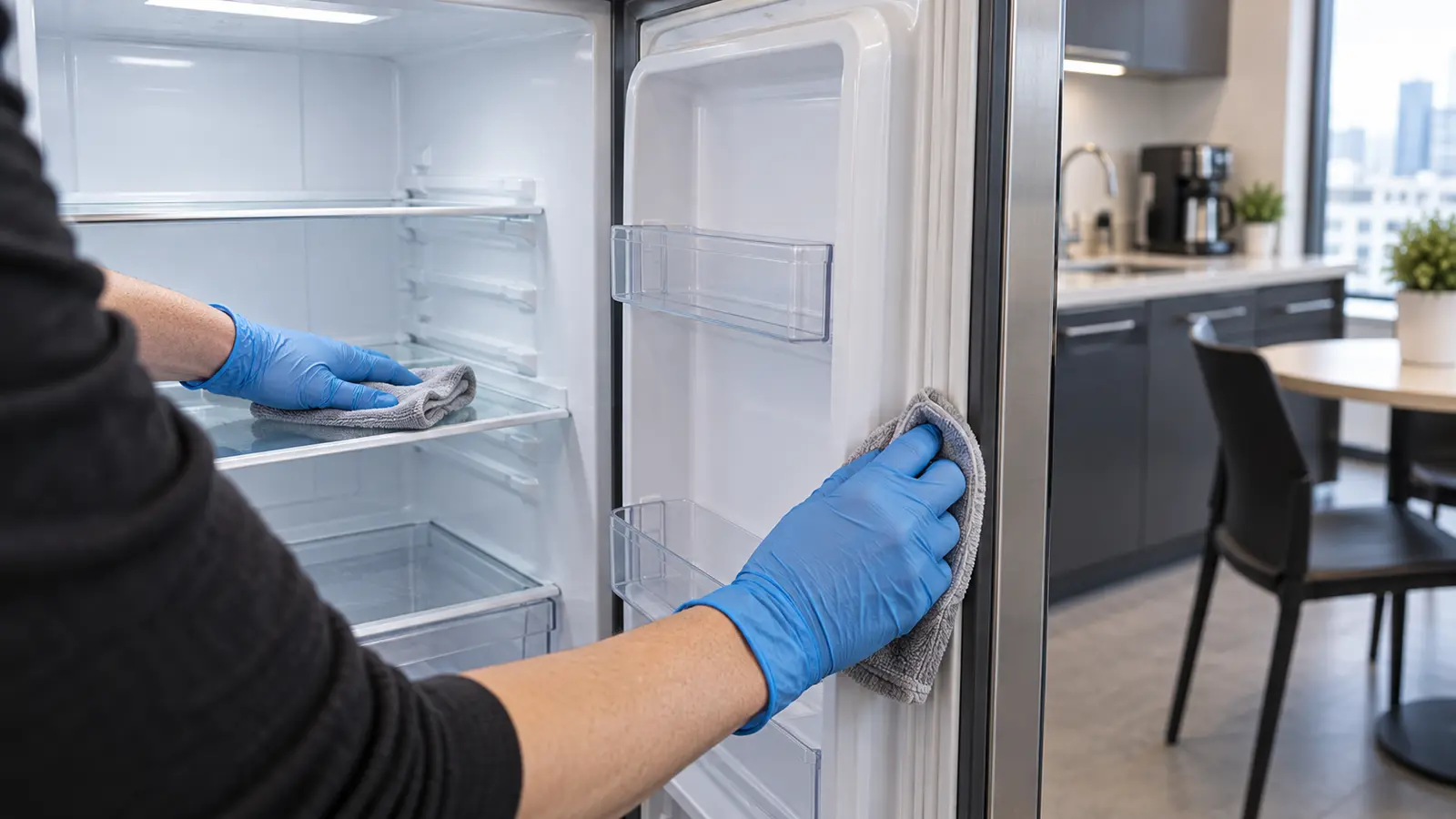
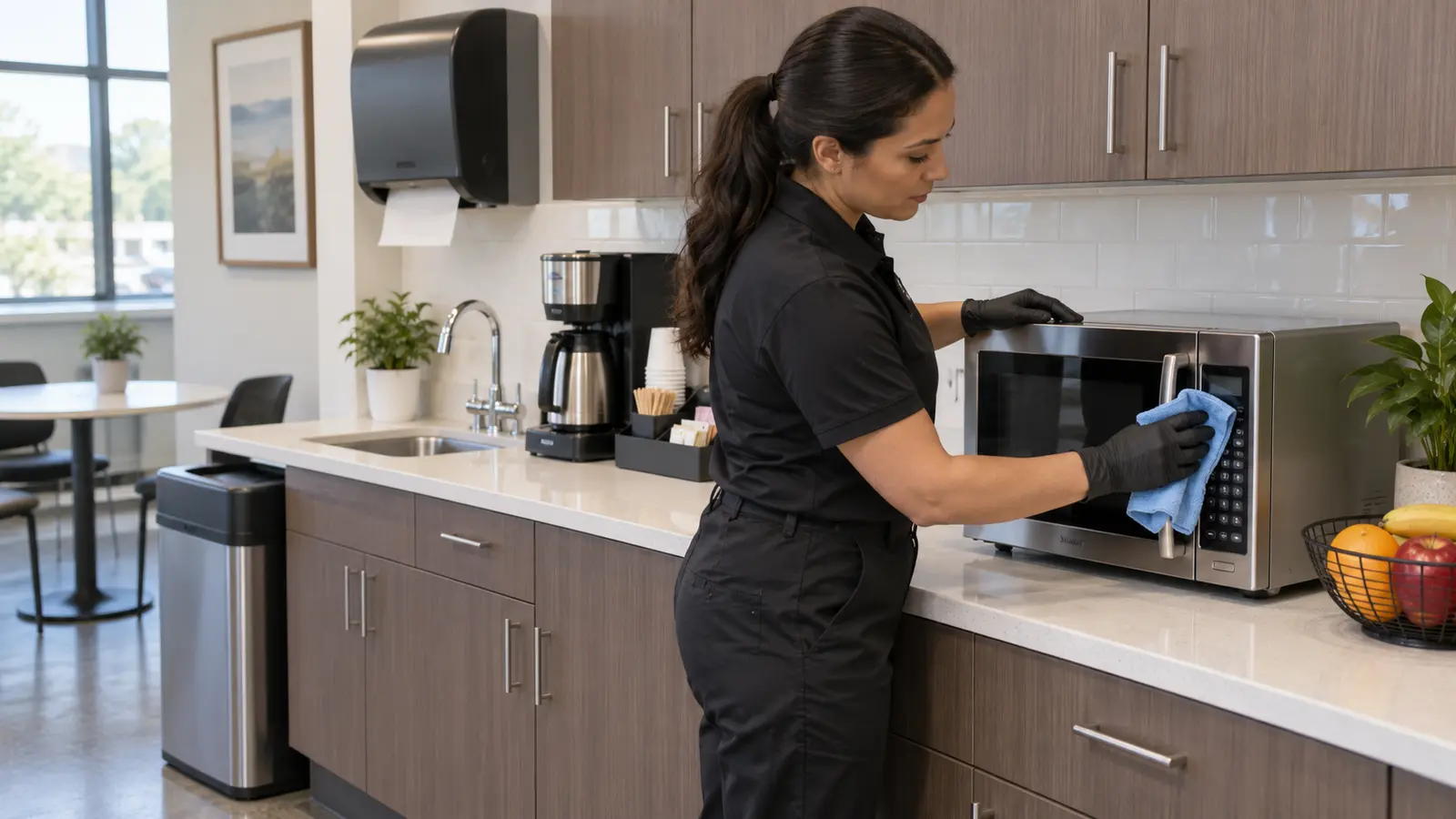
    An effective office kitchen cleaning checklist separates quick daily resets from weekly detail work and monthly maintenance. Clean visible soil first, give the sink, counters, appliance handles, tables, and floor consistent attention, and assign responsibility so small messes do not become shared frustrations.

    A shared kitchen can look fine at the start of the day and feel neglected by lunchtime. Coffee drips collect under the machine, crumbs settle around the toaster, fingerprints build up on appliance handles, and someone leaves a mystery container in the refrigerator. The problem is rarely one dramatic mess. It is usually a series of small tasks that no one clearly owns.

    This guide turns those tasks into a practical daily, weekly, and monthly routine. Use it to clarify what staff can reset after use, what belongs in a regular office cleaning service, and what requires appliance-specific instructions or facilities support.

    Professional cleaner wiping a countertop in a bright shared office kitchen

    What supplies belong in an office kitchen cleaning kit?

    Keep the routine simple enough that the right tool is easy to find. A basic shared-kitchen kit may include:

    • Clean microfiber cloths separated by task or area
    • Paper towels for food spills when laundering is not practical
    • A nonabrasive sponge approved for the surface
    • Mild dish detergent
    • Surface cleaners approved by the counter and appliance manufacturers
    • Trash and recycling liners
    • A broom, dustpan, and damp-mopping supplies
    • Gloves or other protective equipment required by product labels
    • A refrigerator thermometer
    • A clearly labeled container for supplies, stored away from food

    Do not transfer chemicals into food or drink containers. Keep every product in its original labeled container, follow its directions, and never mix cleaning products. If a disinfectant is used, the EPA recommends reading the label, checking that the product is appropriate for the surface, observing the listed contact time, and using the required protective equipment.

    How should the shared kitchen be prepared?

    1. Post a short notice when the room needs to close temporarily. This prevents people from walking through a wet floor or placing food on a counter that is being cleaned.
    2. Remove dishes, food, and loose items. Return personal items according to the workplace policy rather than guessing whether something should be discarded.
    3. Check appliance instructions. Turn off or unplug small appliances when the manufacturer requires it, and allow hot surfaces to cool.
    4. Start with dry debris. Pick up crumbs and loose soil before introducing moisture.
    5. Work from cleaner areas toward dirtier areas. Use separate cloths for the sink, food-preparation surfaces, appliance exteriors, and floor-level tasks.
    6. Place a wet-floor sign when needed. Keep walkways clear until the floor is dry.

    What should be cleaned every workday?

    The daily reset should focus on visible mess, food residue, shared touchpoints, and anything that could create odors or attract pests. The CDC distinguishes cleaning from disinfecting: cleaning removes dirt and most germs, while disinfecting is a separate step used when appropriate. Clean a surface before disinfecting it, and use only products suitable for that material.

    • Clear crumbs and spills from counters and tables.
    • Wash or load shared dishes according to office policy.
    • Wipe the sink basin, faucet, and surrounding splash area.
    • Clean the refrigerator, microwave, dishwasher, and cabinet handles.
    • Wipe the coffee station, including drips under the machine and around dispensers.
    • Remove food residue from the microwave interior as soon as practical.
    • Empty trash, recycling, and compost before odors or overflow develop.
    • Replace liners and wipe visibly soiled bin lids or touchpoints.
    • Sweep crumbs from corners, under table edges, and around appliances.
    • Damp-mop visible spills and leave the floor dry and safe.
    • Restock soap, paper products, and shared supplies.
    • Report leaks, pests, broken seals, or appliance problems instead of cleaning around them indefinitely.

    What belongs on the weekly checklist?

    Weekly work catches buildup that a fast daily reset may miss. Adjust the frequency to actual use: a kitchen serving a large team or several shifts may need these tasks more often.

    • Clean the microwave interior, turntable, vents, handle, and exterior.
    • Wipe refrigerator shelves, drawer fronts, handles, and door gaskets where the manufacturer permits.
    • Clean cabinet and drawer fronts, especially around pulls.
    • Move countertop appliances where safe and clean beneath them.
    • Wipe backsplash areas behind the sink and coffee station.
    • Clean chairs, table bases, and the undersides of table edges.
    • Wash waste-bin interiors if residue or odor is present.
    • Detail floor edges, baseboards, and the area beneath movable furniture.
    • Inspect supply dates and remove empty containers from the cleaning kit.
    • Check the refrigerator thermometer and report an unsafe reading.

    What should be checked monthly?

    Monthly attention is less about making the room look shiny and more about preventing hidden buildup and neglected maintenance.

    • Schedule a policy-based refrigerator clear-out with advance notice.
    • Clean removable refrigerator shelves and drawers according to the appliance manual.
    • Inspect under and behind movable appliances for crumbs, leaks, or pest activity.
    • Dust accessible vent covers and the tops of cabinets and appliances.
    • Clean wall spots, doors, and switch plates with material-appropriate methods.
    • Review whether daily and weekly frequencies match current occupancy.
    • Confirm that cleaning chemicals remain labeled, closed, and stored away from food.
    • Document repairs that need facilities or appliance service.
    Gloved hands wiping a shelf and door seal inside an emptied shared office refrigerator

    How should a shared refrigerator be cleaned?

    A shared refrigerator needs both a cleaning procedure and a clear food policy. Cleaning staff should not have to decide who owns an unlabeled lunch or whether it can be discarded.

    1. Announce the cleanout date and labeling rules in advance.
    2. Move food to safe cold storage if the refrigerator must be emptied for more than a brief wipe-down.
    3. Follow the owner’s manual before removing shelves, drawers, or power.
    4. Let cold glass components warm gradually before washing to reduce the chance of thermal shock.
    5. Clean interior walls, shelves, drawers, and gaskets using the appliance maker’s approved method.
    6. Dry components fully before reassembly.
    7. Return only items allowed by the workplace policy.
    8. Confirm the refrigerator returns to a safe temperature.

    The FDA advises keeping refrigerators at or below 40°F, wiping spills promptly, keeping food covered, and storing cleaning products away from food. If food has been held at an unsafe temperature or its safety is uncertain, use the workplace’s food-safety policy rather than relying only on appearance or smell.

    For appliance materials, defer to the exact model manual. For example, Whirlpool’s refrigerator-care guidance recommends checking the manual, washing removable components with appropriate mild methods, drying them completely, and avoiding products that can harm interior materials.

    Professional cleaner wiping the handle and controls of a microwave beside an office coffee station

    How do you clean the microwave and coffee station?

    Microwave

    Allow the appliance to cool, unplug it if the manual directs, and remove loose crumbs. Wash the turntable and removable parts only as instructed by the manufacturer. Wipe interior food residue with a soft cloth and an approved cleaner, keeping excess liquid away from vents and controls. Finish with the handle and keypad, then dry the appliance before returning it to use.

    Coffee station

    Remove disposable cups, used filters, and visible grounds. Wipe the counter, machine exterior, handles, drip area, dispensers, and cabinet pulls. Empty and wash removable trays according to the machine instructions. Descaling, water-filter replacement, and internal maintenance should follow the specific equipment schedule rather than a generic recipe.

    Which surfaces and materials need extra care?

    • Natural stone: Acidic or abrasive cleaners can damage some stone and sealers. Use a product approved for the installed material.
    • Stainless steel: Follow the grain and the appliance instructions; avoid harsh pads that can scratch the finish. The SRS guide to cleaning stainless steel without streaks explains the finish-specific approach.
    • Laminate and cabinet edges: Avoid soaking seams, hinges, and exposed substrate.
    • Electronics and controls: Apply product to the cloth when permitted instead of spraying directly into buttons, vents, or screens.
    • Wood tables and cabinets: Use minimal moisture and follow the finish maker’s instructions.
    • Food-contact surfaces: Use only products and procedures appropriate for that use, including any label-required rinse.

    What mistakes make office kitchens harder to maintain?

    • One vague instruction: “Clean the kitchen” does not define who empties the refrigerator, restocks soap, or handles appliance interiors.
    • Cleaning only what is visible: Crumbs beneath appliances and residue inside bins continue creating odor even when the counter looks clean.
    • Using one cloth everywhere: Separate cloths by area and replace them when soiled.
    • Spraying controls directly: Liquid can enter switches, vents, and electronic panels.
    • Skipping dwell time: Wiping a disinfectant away immediately may not follow its label.
    • Mixing products: Never combine cleaners or disinfectants.
    • Discarding personal food without a policy: Set rules and provide notice so cleaning does not become a workplace dispute.
    • Ignoring leaks or pests: Cleaning can remove evidence temporarily, but facilities or pest-control support must address the source.

    How can recurring office-kitchen problems be solved?

    The room smells clean, but the odor returns

    Check bin interiors, refrigerator drip or gasket areas, food hidden behind appliances, sink drains, damp cloth storage, and floor edges. Masking the odor does not remove its source.

    Counters feel sticky after wiping

    Too much product, an incompatible cleaner, or a dirty cloth may leave residue. Return to the surface manufacturer’s directions, use a fresh cloth, and avoid adding more product until the cause is clear.

    The checklist is completed, but standards vary

    Define observable results instead of relying only on task names. “Wipe counters” can become “no visible crumbs, spills, or sticky residue; items returned neatly; surface left dry.” A broader office cleaning checklist can connect the kitchen routine with restrooms, work areas, entrances, and floors.

    When does professional cleaning make sense?

    Professional support can help when the kitchen serves many people, daily responsibilities are inconsistent, grease or floor buildup keeps returning, odors persist after the source is addressed, or the room needs to fit into a larger workplace cleaning scope. It is also useful when facilities teams want one written standard across kitchens, restrooms, work areas, and common spaces.

    Before comparing proposals, confirm which tasks are daily, weekly, or periodic; whether refrigerator and microwave interiors are included; who handles dishes and personal food; and how supply restocking is managed. The commercial cleaning checklist offers a practical starting point for reviewing the full workplace scope.

    Office kitchen cleaning FAQs

    How often should an office kitchen be cleaned?

    Reset high-use surfaces, spills, waste, and floors every workday. Schedule detail work weekly and deeper refrigerator, edge, vent, and storage checks periodically. Increase frequency when occupancy, multiple shifts, food preparation, or visible soil requires it.

    Should an office kitchen be disinfected every day?

    Routine cleaning is the foundation. Disinfection should be based on the workplace’s needs and product directions, not used as a substitute for removing food residue and soil. When disinfecting, clean first, verify surface compatibility, follow the label’s contact time, ventilate as directed, and never mix products.

    Who should remove food from the shared refrigerator?

    The workplace should define ownership, labeling, notice, and disposal rules. Cleaning staff can follow that policy, but should not be expected to invent it during each cleanout.

    Can the same cleaner handle the kitchen and restroom?

    Yes, when the cleaning plan uses proper task order, hand hygiene, glove changes, and separate color-coded or clearly assigned tools and cloths. Restroom tools should never be used in food or break areas.

    What should an office-kitchen cleaning quote include?

    Look for written frequencies, included surfaces, appliance-interior limits, waste handling, supply responsibilities, floor care, refrigerator-cleanout rules, and the process for reporting leaks or damage. Clear scope makes the service easier to evaluate and maintain.

    If the shared kitchen keeps falling back into the same cycle, the answer may be a clearer routine rather than more reminders. SRS Cleaning Services can help build the kitchen into a practical Orange County office cleaning scope. Review the service and request a quote when you are ready to discuss the space.