A dog shaking off after a walk or a cat leaving a trail from the litter box can turn a freshly cleaned room into a new project in seconds. The best supplies for pet homes do not need to fill an entire closet. A few dependable, pet-safe tools can make daily upkeep faster, protect your furniture and floors, and keep your home feeling comfortable for everyone who lives in it.
The goal is not a spotless home at every moment. It is a space that is easy to reset. The right supplies help control fur before it gathers in corners, treat accidents before they become lingering odors, and clean the areas pets use most. For odor-specific guidance, use the SRS guide on how to get dog smell out of house without masking the source.
Best Supplies for Pet Homes: Start With the Everyday Basics
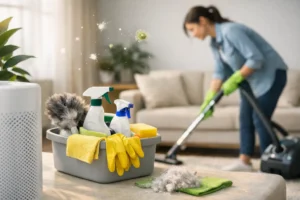
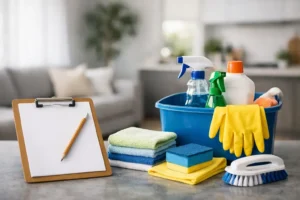
A practical pet-home cleaning kit begins with tools you will actually reach for during a busy week. Keep them together in a small caddy or under-sink bin so a quick cleanup does not turn into a search through cabinets.
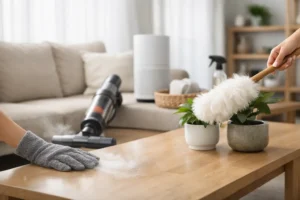
A good cordless vacuum or lightweight stick vacuum is often worth the investment for homes with shedding pets. Look for a model with a motorized brush roll, a crevice tool, and a filter designed to capture fine dust and dander. If your home has mostly hard floors, a vacuum that transitions easily from rugs to tile or wood can save time. For thick carpeting or several large dogs, a more powerful upright may be the better choice, even if it takes up more storage space.
Microfiber cloths are another quiet workhorse. They pick up dust, paw prints, dried drool, and loose hair without leaving lint behind. Keep separate cloths for pet bowls, counters, and bathroom or floor cleanup. A simple color-coding system helps prevent cross-contamination and makes laundry easier.
A washable, high-absorbency mop pad is especially useful for Orange County homes with tile, laminate, or engineered wood floors. It handles wet paw prints and everyday grime without the waste of disposable pads. Use a cleaner that is appropriate for your flooring, and avoid soaking wood or laminate surfaces, where excess moisture can cause damage over time.
For quick fur removal, a reusable rubber broom or silicone squeegee can be surprisingly effective on rugs, upholstery, and carpeted stairs. The rubber creates friction that gathers embedded pet hair into easy-to-remove clumps. It is not a replacement for vacuuming, but it works well before a deeper clean and in areas where the vacuum head cannot reach.
Odor Control Depends on the Source
Pet odors are rarely solved by fragrance alone. Sprays and candles may cover a smell temporarily, but they cannot remove the material causing it. The most useful supply for urine, vomit, and other organic messes is an enzyme cleaner made specifically for pet stains.
Enzymes break down the proteins and compounds left behind by biological stains. That matters because even when a spot looks clean, residue can remain in carpet fibers, grout lines, upholstery, or the padding beneath a rug. Pets can often smell what people cannot, which may lead them back to the same location.
Follow the product instructions closely. Many enzyme cleaners need time to remain damp on the affected area before they can work effectively. Blot fresh accidents first rather than rubbing them deeper into the fabric. For older stains, you may need more than one application, particularly on carpet or a fabric sofa.
A small portable upholstery and carpet extractor can be helpful in homes with puppies, senior pets, or recurring accidents. It is not essential for every household, but it can be a sensible purchase when professional carpet cleaning is needed more often than you would like. Test any cleaner in an inconspicuous spot first, especially on delicate rugs and upholstery.
Litter boxes require a different approach. Use a scoop that is sturdy enough for daily use, unscented litter if your cat is sensitive to fragrance, and a washable litter mat to catch tracking. A covered box can reduce visual clutter, but it is not always the best option for every cat. Some cats prefer open boxes, and poorly ventilated covered boxes may concentrate odors if they are not cleaned consistently.
Protect High-Traffic Pet Areas Before They Get Dirty
The easiest mess to clean is the one that does not reach your sofa, bed, or floors in the first place. Washable pet blankets, furniture covers, and durable entry mats are practical supplies, not signs that your home is off-limits to your pet.
Choose machine-washable throws for the spots your dog or cat uses most. Keep at least two on hand so one can be in the wash while the other stays in place. For furniture covers, fit matters more than appearance alone. A cover that slips and bunches will be frustrating to use and less likely to stay on the furniture.
At entry doors, use an absorbent indoor mat along with a more durable outdoor mat. This setup catches dirt before it reaches the living room and gives you a designated place to wipe paws after walks. A small basket nearby with a towel, pet-safe wipes, and a brush makes the routine easier to maintain.
Pet-safe wipes are convenient for a quick paw cleanup, but they should not replace bathing or regular grooming when a pet is truly dirty. Select wipes without harsh fragrance, alcohol, or ingredients that could irritate skin. If your pet has allergies or a skin condition, ask your veterinarian which products are appropriate.
Build a Pet Cleaning Kit That Works for Your Home
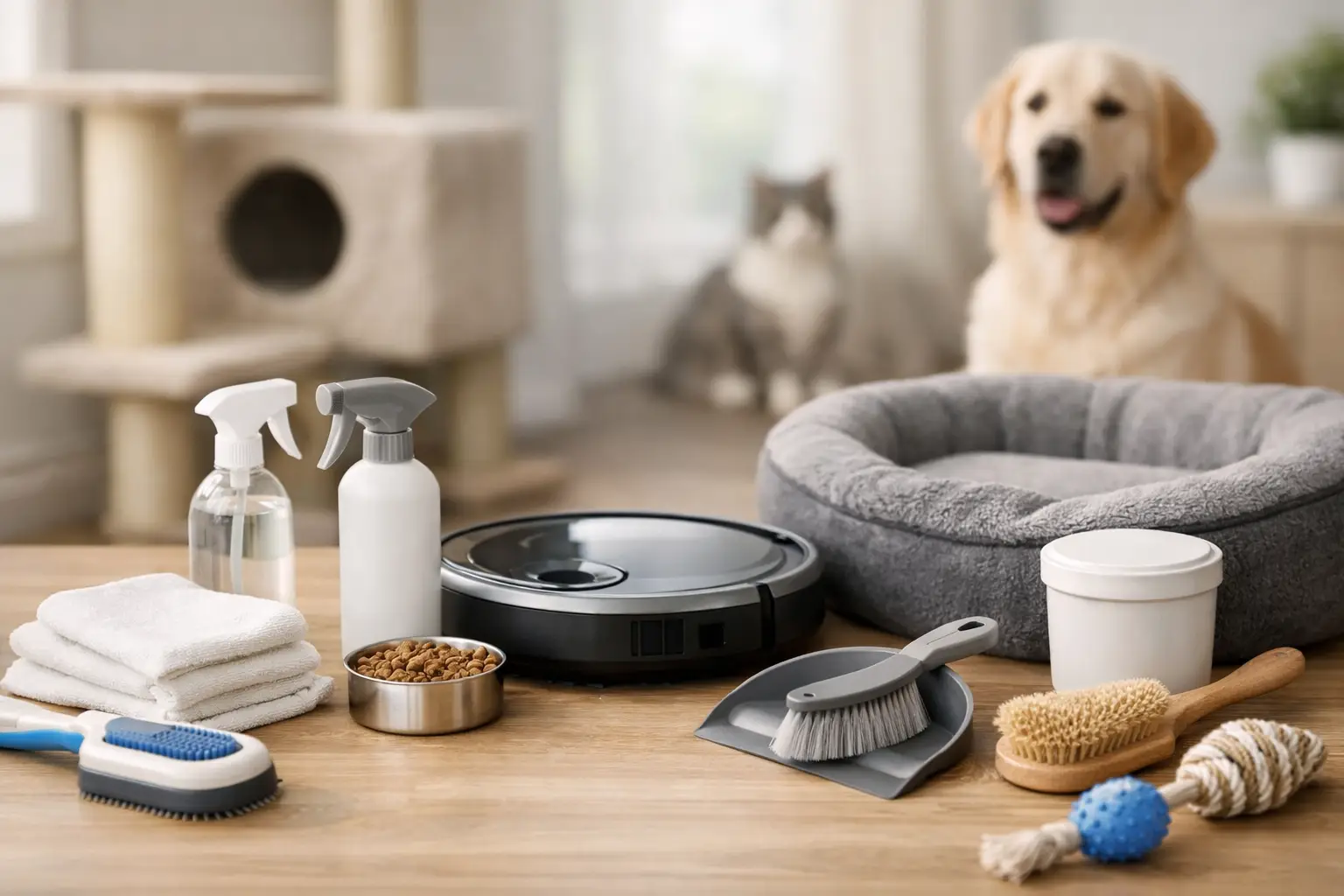
The best setup varies by pet, floor type, and schedule. A one-cat apartment may only need a lint tool, a compact vacuum, microfiber cloths, and litter supplies. A busy household with two dogs, carpeted bedrooms, and kids coming in from sports will benefit from a stronger vacuum, entryway mats, enzyme cleaner, and washable textiles.
For most homes, these supplies cover the messes that come up most often:
- A vacuum with a pet-hair attachment and a cleanable filter
- Microfiber cloths reserved for pet-related cleanup
- A pet-specific enzyme cleaner for accidents and odors
- Washable mop pads and a floor-safe cleaner
- A reusable lint roller, rubber broom, or upholstery brush
- Washable throws or furniture covers for favorite pet spots
- Absorbent doormats, a paw towel, and pet-safe wipes
- A sealed container for dry food and a mat beneath food and water bowls
Food and water areas deserve more attention than they usually get. A waterproof mat protects floors from splashes and makes daily wiping simple. Wash bowls regularly with hot, soapy water, and fully dry them before refilling. Stainless steel and ceramic bowls are generally easier to keep clean than scratched plastic, which can hold onto odors and residue.
Keep Cleaning Products Safe Around Pets
Natural does not automatically mean pet-safe, and strong fragrance does not mean a product is cleaning better. Pets spend more time close to floors and may lick paws after walking across recently cleaned surfaces. Use products according to their labels, keep pets out of the area until surfaces are dry, and store cleaners securely.
Never mix cleaning chemicals. Combining products such as bleach and ammonia can create dangerous fumes. Essential oils also need care around animals, particularly cats, birds, and small pets, which may be more sensitive to certain ingredients. When you are unsure, choose a product labeled for homes with pets and confirm it is suitable for the surface you are cleaning.
Regular grooming supports a cleaner home, too. Brushing pets outdoors or in one easy-to-clean area can reduce the amount of fur that reaches furniture and vents. Clean washable bedding regularly, and do not overlook pet crates, carriers, and the baseboards around feeding and sleeping areas.
A Cleaner Home Without Giving Up Your Weekend
Pet messes are part of sharing a home with an animal you love. The difference is having a simple system ready before a spill, shedding season, or muddy walk creates a larger problem. A few well-chosen supplies, used consistently, can reduce the daily scramble and make your home feel more settled.
When fur, odors, and high-traffic floors start demanding more time than you have, professional recurring or deep cleaning can help restore the reset that busy pet households need. SRS Cleaning helps Orange County households maintain a cleaner, calmer space, so you can spend less of your free time chasing pet hair and more time enjoying the company that put it there.