A fast turnover can be tempting, especially when every vacant day affects rental income. But rushing the work needed to prepare a rental property often creates a different cost: missed repairs, unhappy new tenants, and a home that does not show its full value. A clear turnover plan gives you a clean, safe, well-presented space and fewer surprises after move-in.
For Orange County landlords and property managers, expectations are high. Tenants notice the details – the shower corners, the condition of the blinds, the smell when they open the front door, and whether appliances look ready to use. Preparing the property well protects your investment while helping the next resident feel confident they chose the right home.
Start With a Complete Post-Move-Out Walkthrough
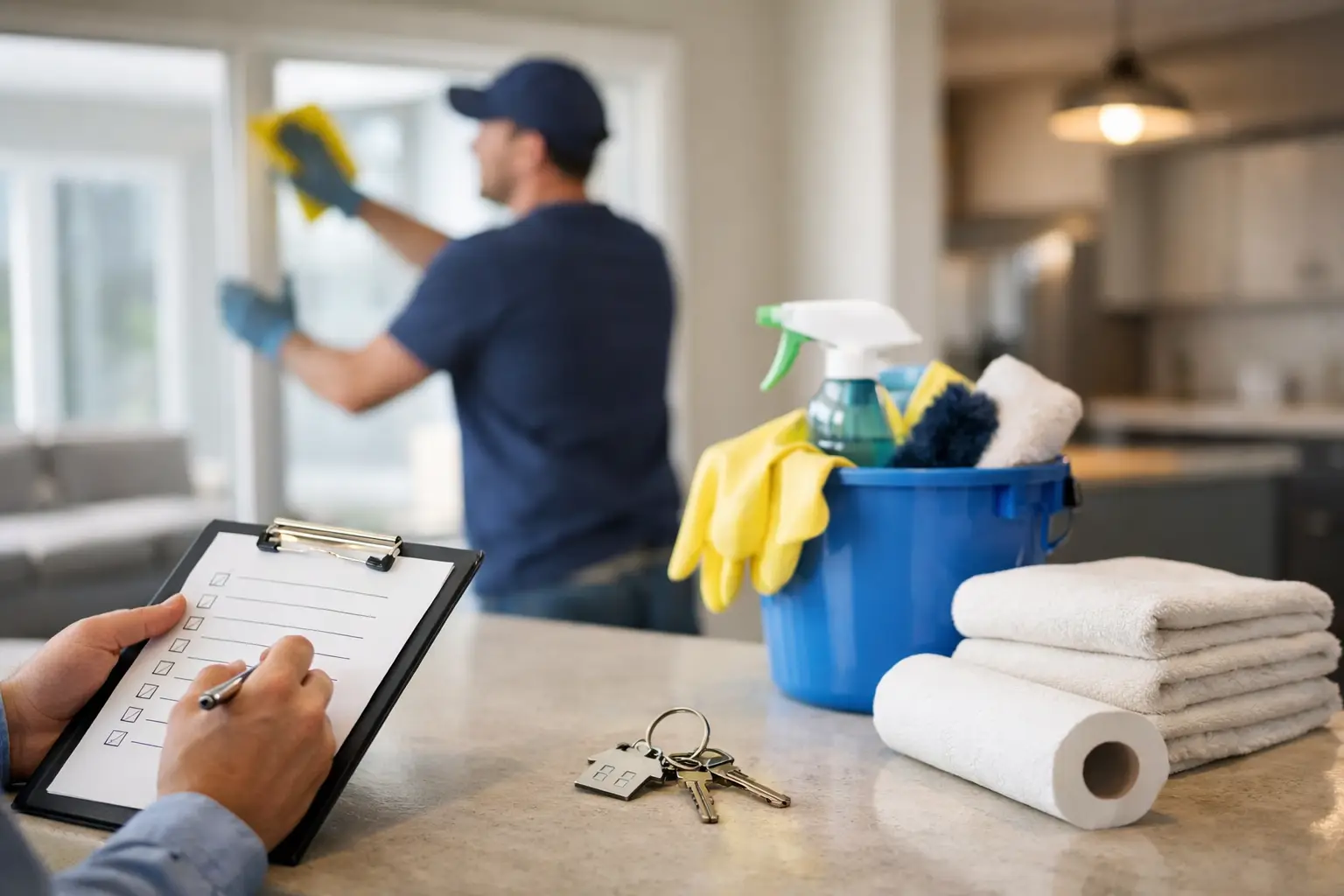
Before scheduling cleaners or ordering supplies, walk through the empty property slowly. Bring the previous move-in condition report, your lease documentation, and a camera or phone. Compare the current condition with your records, noting normal wear separately from damage that may require repair or a security-deposit decision.
Open cabinets, test lights, run faucets, flush toilets, and check windows and doors. Look beneath sinks for signs of leaks and inspect walls, baseboards, flooring, screens, and closet interiors. Small issues are easier and less expensive to address before the next tenant brings in furniture.
Photograph every room after the unit is vacant and again after the turnover is complete. Clear, dated photos support your records and give maintenance vendors a useful reference. They also help you establish an accurate baseline for the new tenant’s move-in inspection.
Separate Repairs From Cosmetic Refreshes
Not every mark on a wall requires a full repaint, and not every worn item should be left for the next tenant. The right decision depends on the property’s condition, your lease terms, and how the repair will affect durability and presentation.
Prioritize work that affects safety, function, or the tenant’s first impression. Repair dripping faucets, loose handles, damaged outlets, broken blinds, sticking doors, and worn caulking. Address stains and odors at their source rather than covering them with air freshener. A strong fragrance can make a home feel less clean, not more.
Cosmetic updates can be strategic. Fresh touch-up paint, replaced cabinet pulls, new switch plates, or a clean grout line may make a familiar unit feel noticeably better without turning each turnover into a renovation. If flooring, paint, or appliances have reached the end of their useful life, replacement may be the more economical choice over repeated patchwork.
Prepare a Rental Property With Cleaning in the Right Order
Cleaning goes further when the home is empty and repairs are already finished. Dust from wall repairs, paint touch-ups, or maintenance work can settle on floors and surfaces, so schedule deep cleaning after contractors have completed their work whenever possible.
Begin from the top of each room and work down. Ceiling fans, vents, ledges, blinds, and light fixtures collect dust that can quickly undo freshly cleaned floors. Then clean walls where needed, wipe doors and trim, and finish with floors. This order helps avoid repeating the same work.
Kitchens and bathrooms deserve the most time because tenants use them immediately and inspect them closely. In the kitchen, clean inside and behind appliances, degrease the range and hood, sanitize counters, wipe cabinet interiors and drawers, and remove crumbs or residue from every shelf. Do not overlook the dishwasher filter, refrigerator drawers, microwave, sink drain, and the narrow spaces beside appliances.
In bathrooms, focus on soap buildup, grout, toilet bases, fixtures, mirrors, exhaust fan covers, and the area behind the toilet. Replace visibly worn caulk where appropriate. A bathroom can be technically clean but still feel neglected if there is mineral buildup around faucets or grime in corners.
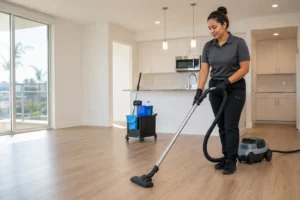
A professional move-out cleaning service can be especially useful for larger homes, tight turnover schedules, or units that need more than a standard wipe-down. SRS Cleaning helps Orange County property owners and managers bring consistency to this part of the process, with detail-oriented cleaning that supports a polished handoff.
Do Not Forget the Often-Missed Areas
The areas tenants notice later are often the ones skipped during a quick turnover. These include closet shelves and tracks, window sills, baseboards, air vents, garage surfaces, patio areas, laundry connections, and the interiors of medicine cabinets.
Pay attention to odor as well. Pet smells, cooking residue, smoke, mildew, and trash odors can remain after visible dirt is gone. Ventilate the property, empty all bins, clean drains, and identify the source before using any deodorizing product. If an odor persists, it may point to a deeper issue such as moisture damage, old carpet padding, or an appliance problem.
Check Safety and Essential Systems Before Move-In
A clean home is only one part of a successful turnover. Before keys change hands, test the systems the tenant will rely on from day one. Confirm that smoke and carbon monoxide alarms are installed where required, functional, and fitted with fresh batteries if applicable. Test locks, deadbolts, window latches, garage remotes, exterior lighting, and doorbell systems.
Check heating and air conditioning, including filters, thermostats, and visible vents. In Southern California, a functioning cooling system matters even when a move happens outside the hottest months. Run water in all sinks and showers long enough to check drainage and water temperature. Verify that toilets flush properly and that appliances turn on as expected.
If the property has a pool, spa, fireplace, gate, or other specialized feature, confirm that it is safe and that the incoming tenant receives clear operating information. This is also a good time to update emergency contacts, utility instructions, and any community rules you provide at move-in.
Make the Home Ready to Show, Not Just Ready to Occupy
A property can pass an inspection and still fail to make a strong impression. Once repairs and cleaning are complete, walk through it as a prospective tenant would. Stand at the entry. Does the home smell fresh and neutral? Is the path to the front door clear? Are lights working in rooms that may be shown in the evening?
Remove leftover supplies, contractor debris, old mail, and unused hardware. Sweep the entry, tidy the patio or balcony, and make sure the exterior looks cared for. In a competitive rental market, a clean front door, clear windows, and well-kept common areas can influence a tenant’s opinion before they see the kitchen.
Take current marketing photos only after the final cleaning and staging touches are complete. Bright, uncluttered photos set accurate expectations and help reduce the gap between the listing and the in-person showing. If the property has distinctive features such as natural light, storage, a private outdoor area, or updated finishes, photograph them clearly.
Create a Better Move-In Handoff
The final step is more than giving the tenant keys. Provide a move-in condition form and encourage the tenant to document concerns promptly. Make sure they know how to reach you or the property manager for urgent maintenance issues, where to find utility information, and how trash, parking, and building access work.
Leave the property truly empty unless you have agreed to provide specific items. A few spare paint cans or cleaning products may seem helpful, but unapproved items can create confusion about ownership or disposal. If you leave manuals, remotes, mailbox keys, or gate fobs, list each item clearly.
A well-prepared rental sets a respectful tone. It tells new tenants that the property is cared for and that maintenance concerns will be handled thoughtfully. That first impression can lead to better communication, more careful occupancy, and a calmer turnover process when it is time to do it again.
Give yourself enough time to do the work in the right sequence. A clean, repaired, and carefully checked home is not simply ready for a new lease – it is ready to make the next resident feel at home from the moment they walk through the door.