Locally owned · Serving Orange County homes and businesses

Call (714) 439-8500

Get a Quote

Tag: Move-out Cleaning

  • Move Out Cleaning Cost: What Affects the Price?

    Move Out Cleaning Cost: What Affects the Price?

    Move Out Cleaning cost is rarely one flat number that fits every property. A compact, lightly used apartment can require far less labor than a larger home with grease buildup, multiple bathrooms, interior appliances, cabinet shelves, blinds, and detailed floor work. The most useful quote is based on the actual size, condition, scope, and deadline—not only the bedroom count.

    This guide explains what typically changes the price, what to confirm before booking, and how to compare estimates fairly. Published national ranges can provide context, but they are not a substitute for a written quote for an Orange County property.
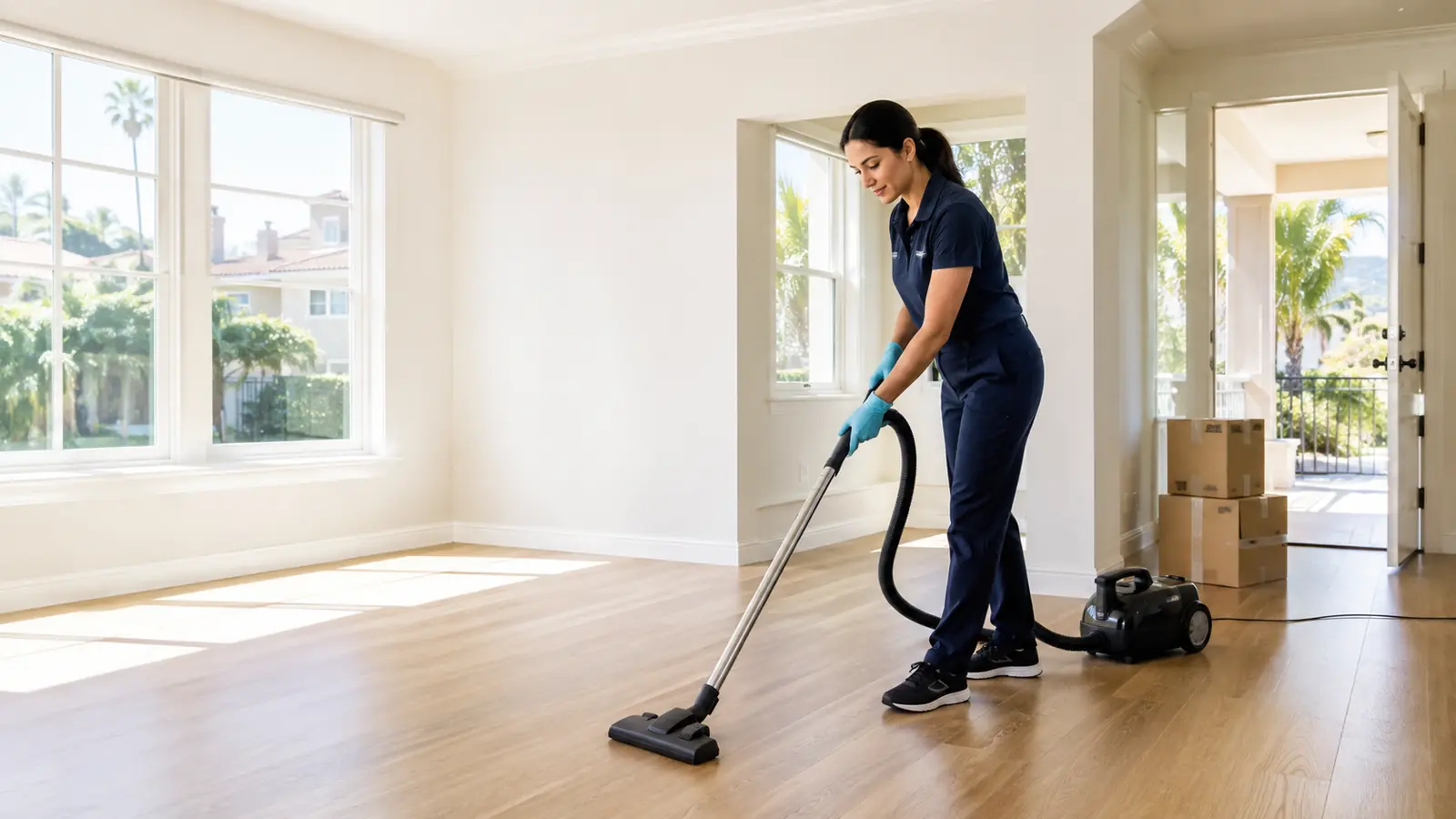
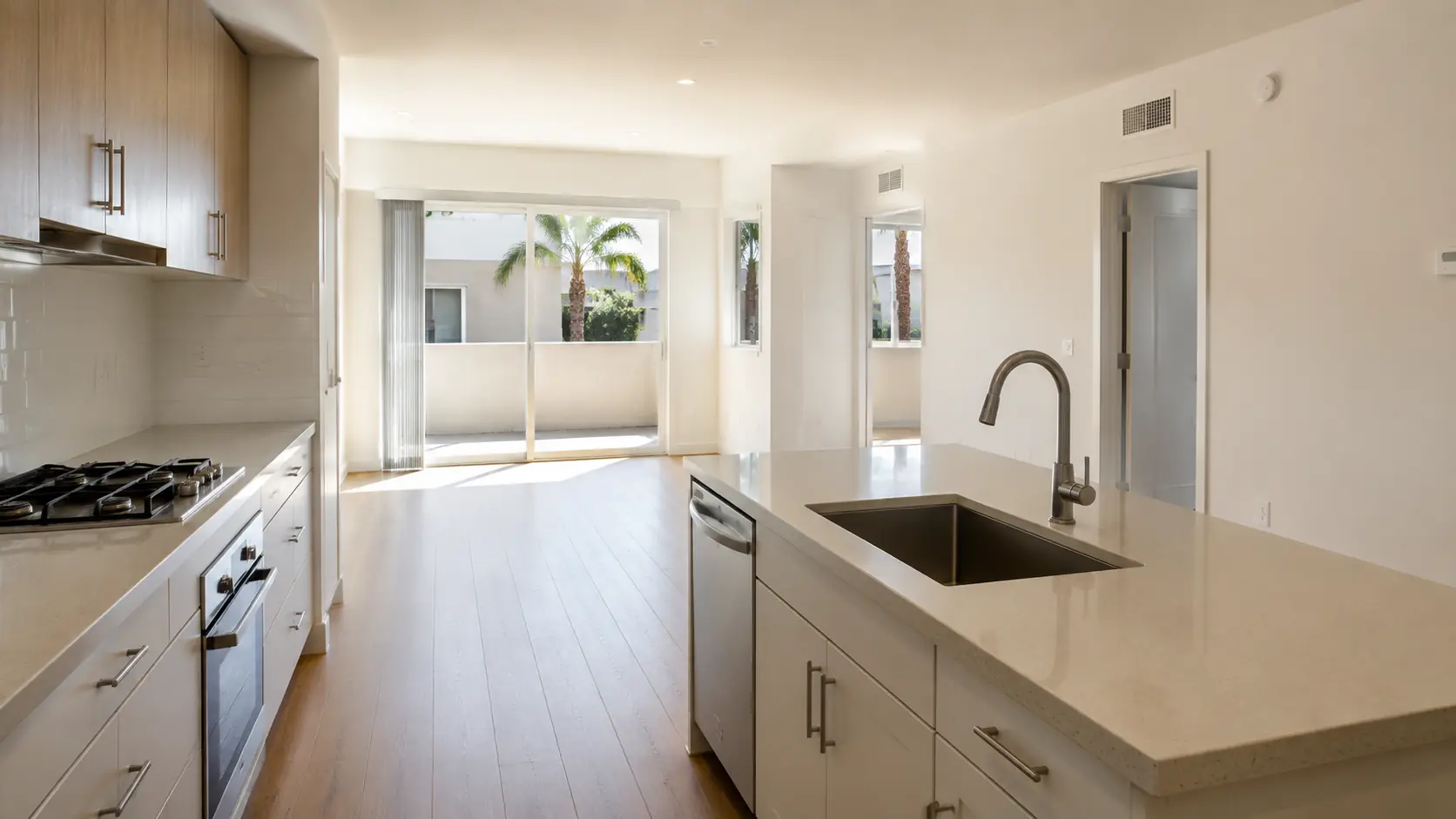
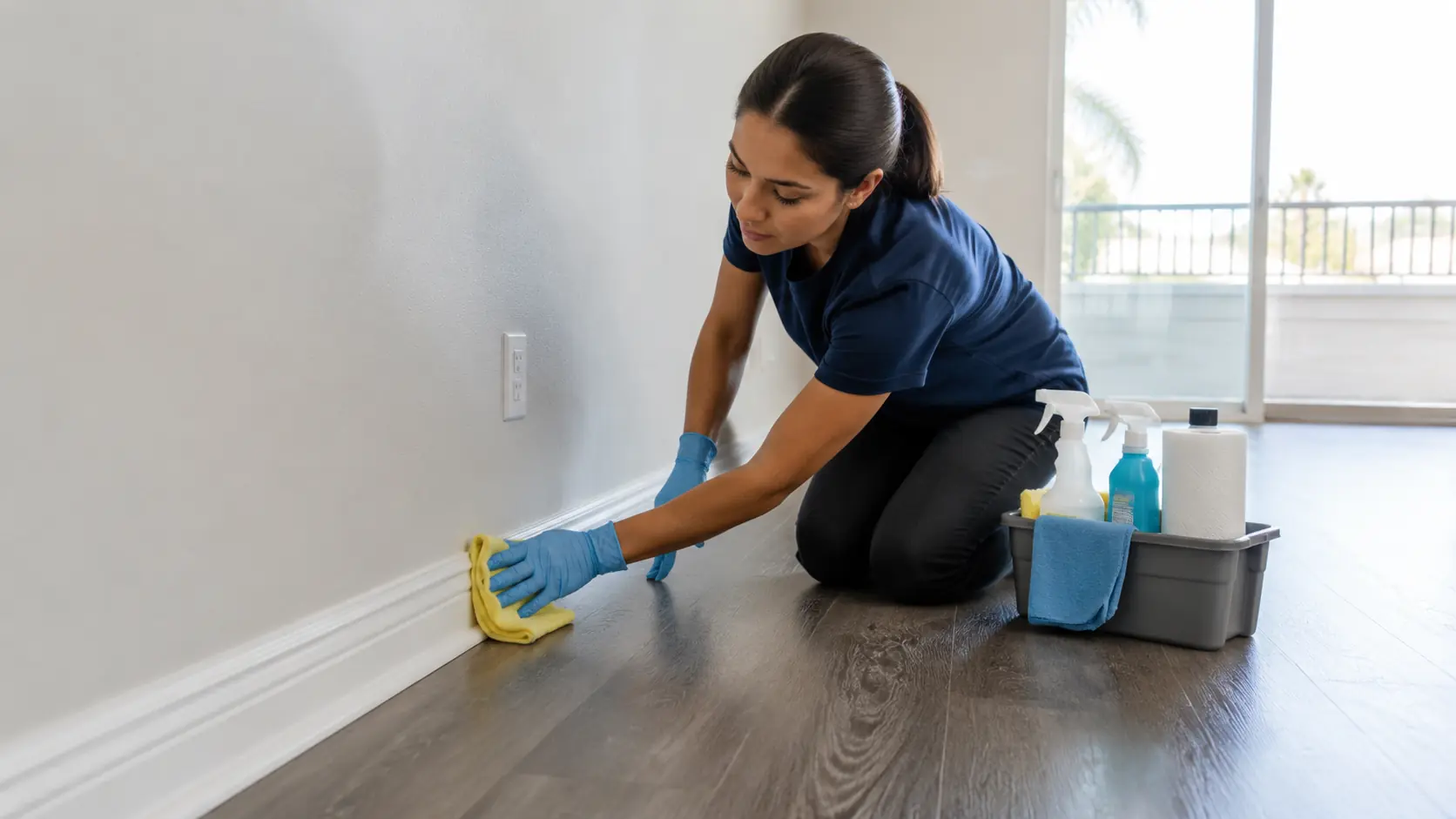
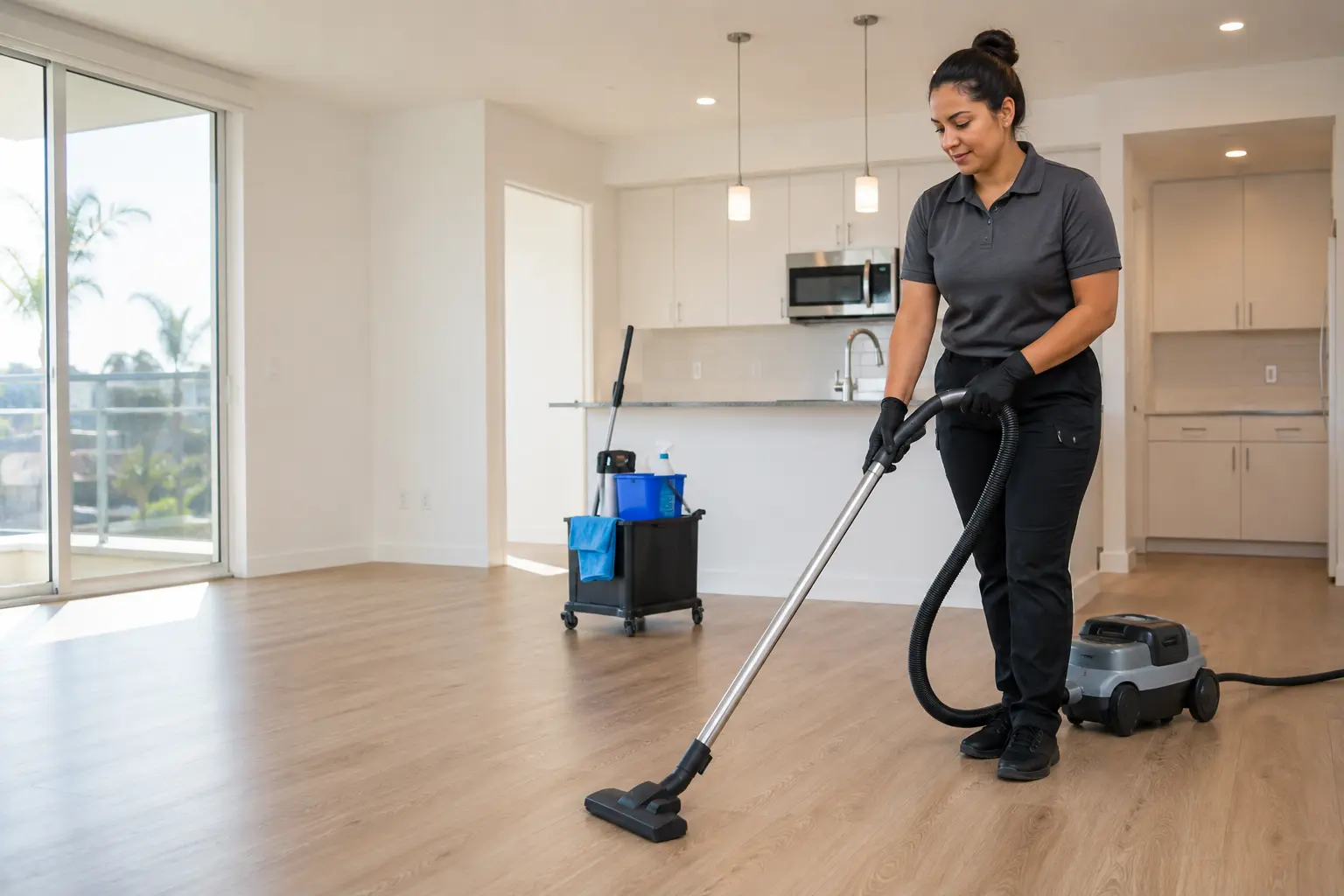
    Professional cleaner vacuuming an empty Orange County home during Move Out Cleaning
    An accurate Move Out Cleaning estimate starts with the property’s size, condition, and required scope.

    Move Out Cleaning cost: the quick answer

    Current published estimates vary considerably. Angi’s guide, updated July 10, 2026, reports a national range of $120 to $420, depending on property size, condition, and cleaning level. Care.com’s March 19, 2026 guide gives a broader typical range of $200 to $500. Those figures come from different datasets and methods, which is why they should be treated as planning context rather than a guaranteed local price.

    Orange County pricing may land above or below those ranges. A detailed empty-home service often takes longer than routine cleaning because it reaches cabinet interiors, appliance interiors, baseboards, doors, fixtures, edges, and other areas that become visible after belongings are removed. Access, parking, stairs, timing, and special requests can also affect labor.

    Pricing inputWhy it mattersWhat to provide
    Square footageMore surface area generally requires more laborApproximate interior square footage
    Current conditionHeavy residue, dust, or pet hair takes longerRecent photos and honest notes
    Requested scopeInterior appliances, cabinets, windows, and blinds add detail workA written task list
    Deadline and accessTight windows or difficult access can affect schedulingKey-return time, parking, gate, and stair details

    What affects Move Out Cleaning cost?

    The strongest cost driver is usually the amount of work required. Two properties with the same floor plan can receive different estimates when one is empty and maintained while the other has cooking residue, soap buildup, pet hair, adhesive marks, or neglected detail areas.

    • Property size: More rooms, bathrooms, storage areas, and floor space increase cleaning time.
    • Condition: Built-up grease, hard-water residue, dust, and debris require additional passes and tools.
    • Bathrooms and kitchens: These rooms tend to contain the most detailed surfaces, fixtures, and residue.
    • Appliance and cabinet interiors: Emptying and cleaning shelves, racks, drawers, and interior surfaces adds labor.
    • Windows, tracks, and blinds: These are often separate from a basic scope and should be confirmed in writing.
    • Floor type: Carpet, tile, laminate, and natural materials may require different processes or separate specialists.
    • Access: Stairs, elevators, parking distance, gated entry, and key coordination can change the time on site.
    • Timing: A firm same-day key deadline leaves less flexibility than a normal appointment window.

    Photos are especially helpful. Clear images of the kitchen, bathrooms, floors, appliance interiors, and any problem areas allow a cleaning company to estimate labor more accurately before arrival.

    Common ways cleaning companies price the work

    Cleaning companies may use a flat rate, an hourly rate, a square-foot formula, or a blended estimate. No method is automatically better; clarity matters more than the label.

    Flat-rate estimates

    A flat rate is convenient when the scope and condition are well documented. Ask what assumptions support the number and what could trigger a price change.

    Hourly pricing

    An hourly arrangement can suit an uncertain or custom scope, but the total depends on crew size and time. Confirm whether the quoted rate is per cleaner or for the entire team, whether there is a minimum, and whether the work stops at a time cap.

    Square-foot or room-based pricing

    Size-based pricing creates a useful baseline, but condition and scope still matter. Bedrooms do not always predict labor well; a small kitchen with heavy residue can take longer than a large empty bedroom.

    What is usually included?

    A complete scope should explain what happens in every room. It may include dust removal, vacuuming, mopping, baseboards, doors, switches, accessible fixtures, bathroom surfaces, kitchen surfaces, and empty storage areas. Interior ovens, refrigerators, cabinets, drawers, blinds, and window tracks may be included or priced separately.
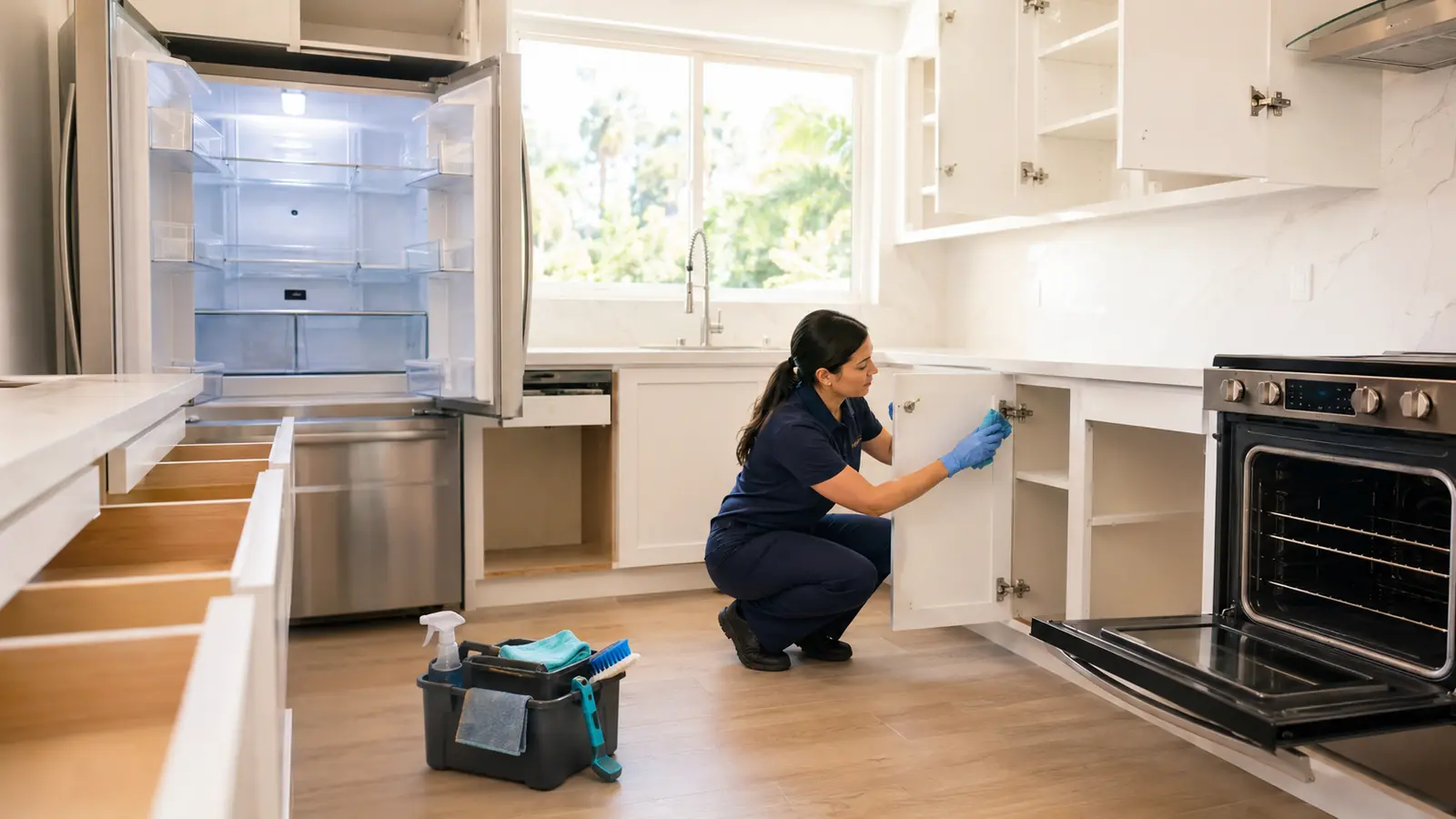
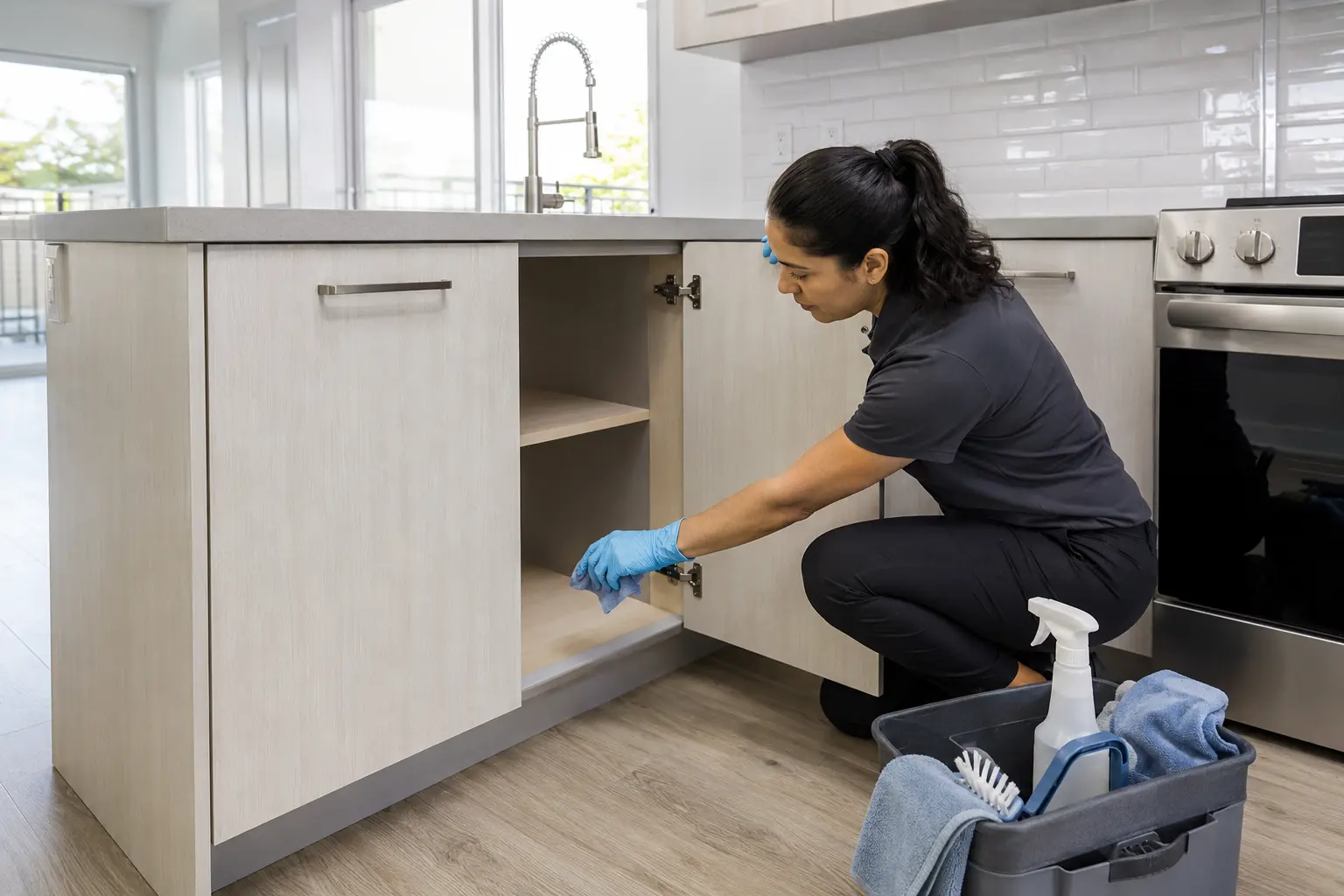
    Professional cleaner wiping inside empty kitchen cabinets during Move Out Cleaning
    Interior cabinets and appliances are detail-intensive areas that should be confirmed in the written scope.

    Do not assume that “deep cleaning” and Move Out Cleaning describe identical services. An occupied deep clean may focus on buildup around furniture and everyday living areas, while an empty-property service can include cabinet interiors, closet shelves, appliance interiors, and edges that were previously inaccessible. SRS explains the practical difference in its Move In Cleaning versus Move Out Cleaning guide.

    Add-ons and exclusions that change the total

    Some tasks require equipment, training, insurance, or time beyond general house cleaning. Common examples include carpet extraction, exterior windows, high glass, pressure washing, hauling, wall washing, mold remediation, pest waste, construction debris, and restoration work.

    A cleaning quote should separate included tasks from optional work. That prevents a low starting price from becoming an unexpectedly high total after arrival. It also helps identify work that needs a different specialist. Ask about:

    • Oven and refrigerator interiors
    • Cabinet and drawer interiors
    • Interior windows, tracks, screens, and blinds
    • Garage, balcony, patio, or storage areas
    • Carpet cleaning or stain treatment
    • Adhesive, paint, wax, or heavy residue removal
    • Trash, furniture, or unwanted-item removal
    • Areas above normal reach

    If a task is important to the final walkthrough, put it on the scope before confirming the appointment.

    How to compare Move Out Cleaning quotes

    The lowest number is not necessarily the least expensive choice if it excludes the work needed for the handoff. Compare the same scope, property information, and service standard.

    1. Send every company the same details. Include square footage, room count, condition, access instructions, deadline, and photos.
    2. Request an itemized scope. Confirm kitchens, bathrooms, floors, baseboards, cabinets, appliances, windows, blinds, and storage areas.
    3. Ask what is excluded. A clear exclusion list is as valuable as the included list.
    4. Confirm the pricing model. Understand minimums, time caps, team size, and conditions that permit a price adjustment.
    5. Check scheduling and correction policies. Know what happens if access is delayed or a missed area is found after service.
    6. Confirm insurance and communication. Reliable arrival updates and a defined contact make a tight moving schedule easier to manage.

    A detailed estimate may initially look higher than an abbreviated quote while including more of the required work. Comparing line by line makes the difference visible.

    When professional cleaning may be worth the cost

    Professional help can be practical when the property is large, the condition requires detail work, the handoff window is short, or moving tasks have already filled the schedule. It may also help when consistent documentation and a final walkthrough matter.

    A do-it-yourself clean may be reasonable for a small, lightly used property when there is enough time, equipment, and energy to complete the full checklist. The decision is not only about the cleaning invoice. It also involves time, supplies, equipment, transportation, and the risk of leaving demanding work until the last day. The SRS article Is Move Out Cleaning Worth It? explores that trade-off in more detail.
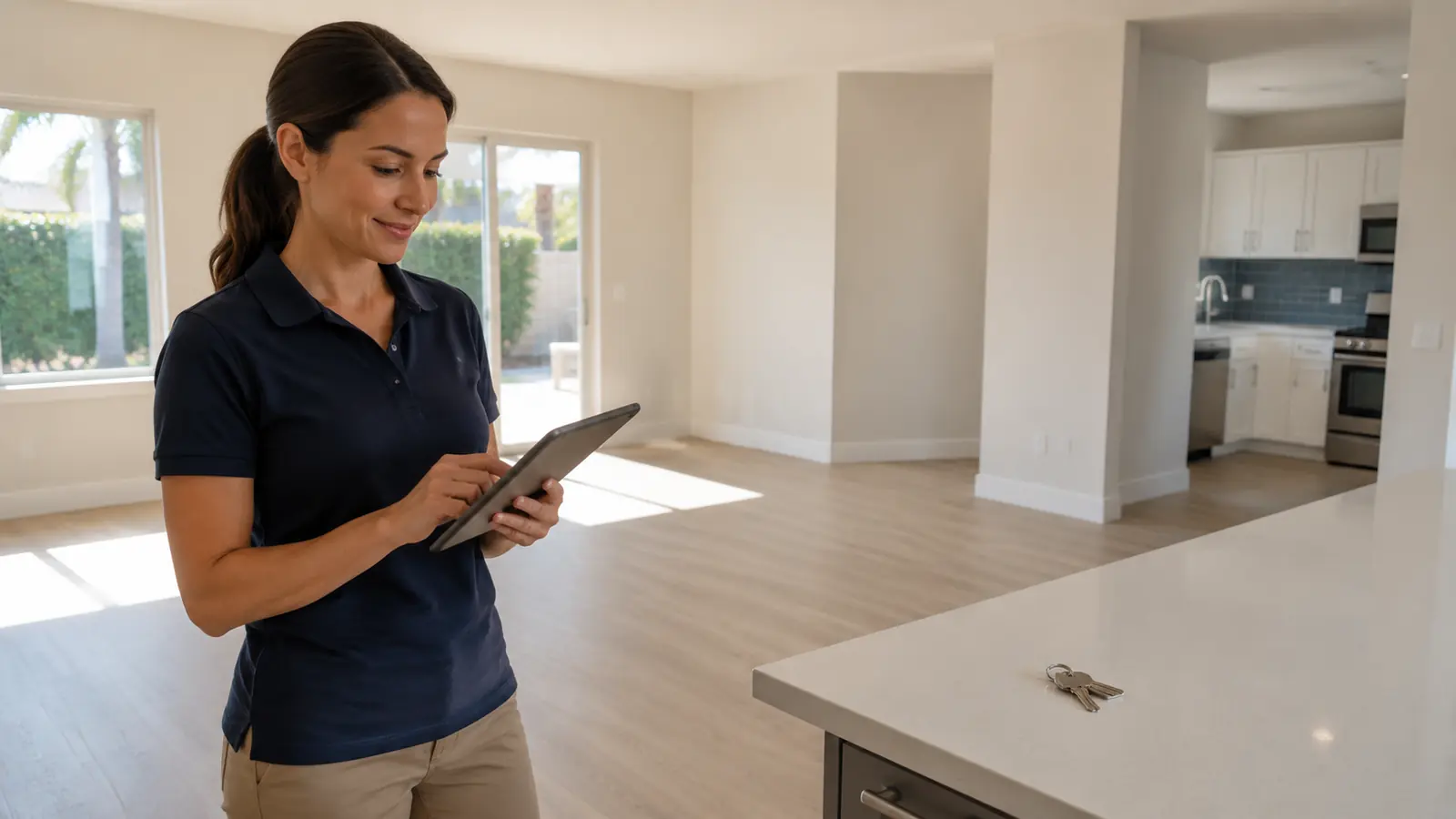
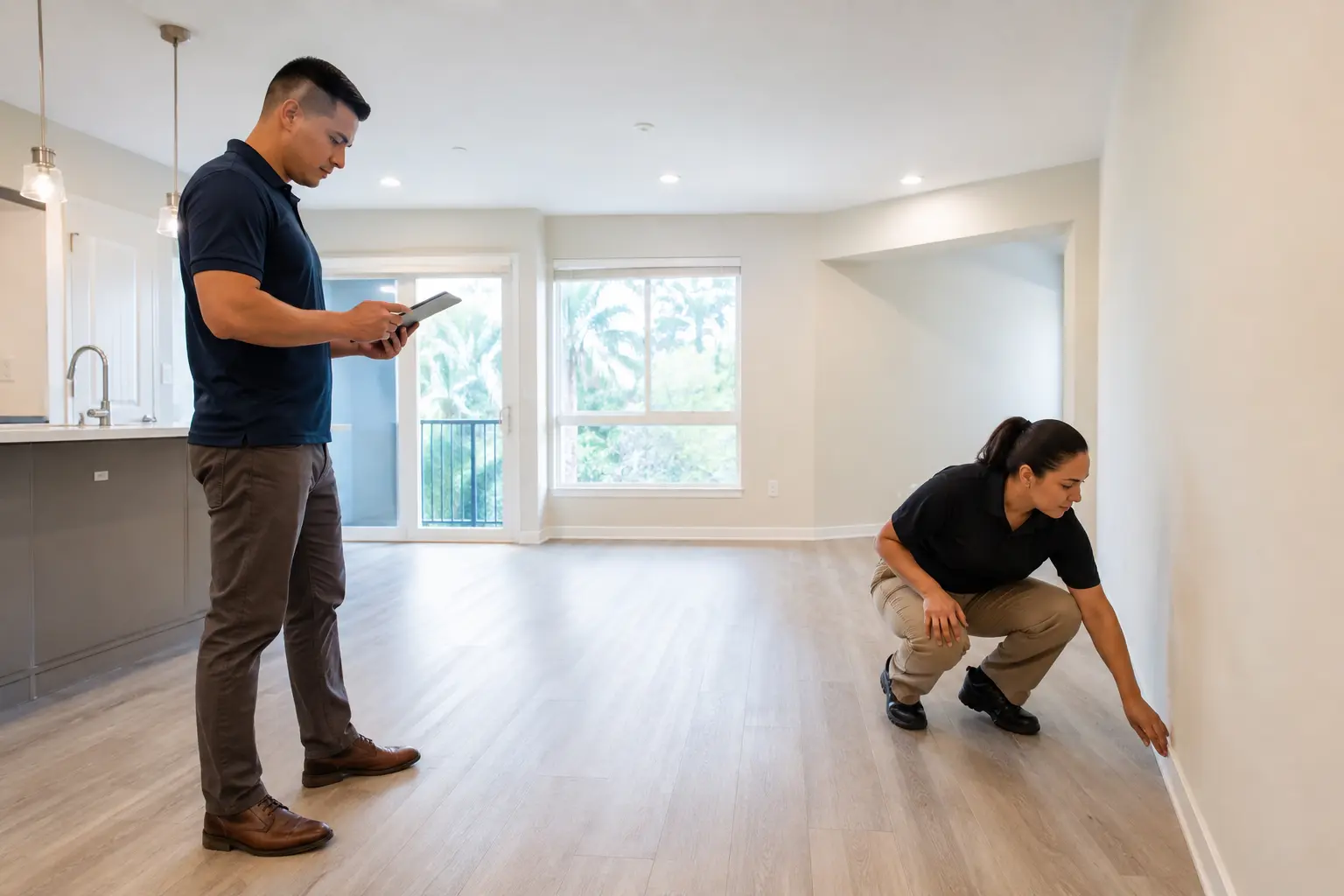
    Service coordinator completing a final walkthrough in a clean empty apartment
    A documented final walkthrough helps confirm the agreed scope before keys are returned.

    How to keep the final cost predictable

    Start early enough to provide accurate information. Waiting until the key-return day makes it harder to compare options or handle an access problem.

    • Remove belongings, food, and trash before the crew arrives.
    • Share recent, well-lit photos rather than relying only on room count.
    • List every required interior appliance, cabinet, window, blind, and storage area.
    • Disclose heavy buildup, pet hair, stairs, parking limits, or access restrictions.
    • Separate cleaning from hauling, repairs, carpet extraction, and restoration work.
    • Confirm the final scope, price basis, appointment window, and payment terms in writing.
    • Leave enough time for a walkthrough before the final handoff.

    The SRS Move Out Cleaning guide can help organize the broader timeline before cleaning day.

    Move Out Cleaning cost FAQ

    Why do published cost estimates differ so much?

    Sources use different markets, property sizes, scopes, and pricing methods. Some figures represent starting rates, while others describe completed-job totals. Compare definitions before comparing numbers.

    Does an empty property cost less to clean?

    Removing belongings improves access, but it also reveals cabinet interiors, wall edges, floor areas, and appliance spaces that may require detailed work. Condition and scope determine whether the total is lower.

    Are supplies normally included?

    Many professional companies bring standard supplies and equipment, but policies vary. Confirm whether specialty products, carpet equipment, ladders, or disposal fees are separate.

    Can the price change after arrival?

    It may change when the actual condition or requested scope differs materially from the information provided. A reputable company should explain the difference and obtain approval before performing additional paid work.

    How far ahead should Move Out Cleaning be scheduled?

    Reserve the appointment as soon as the moving and key-return dates are known, especially near weekends and month-end. Schedule the service after belongings are removed and before the final walkthrough whenever possible.

    Request a clear Orange County quote

    SRS Cleaning Services provides detailed house cleaning across Orange County, including Move Out Cleaning. Share the property size, current condition, requested scope, access information, and deadline so the estimate reflects the work that actually needs to be completed.
  • How to Prepare a Rental Property Between Tenants

    How to Prepare a Rental Property Between Tenants

    A fast turnover can be tempting, especially when every vacant day affects rental income. But rushing the work needed to prepare a rental property often creates a different cost: missed repairs, unhappy new tenants, and a home that does not show its full value. A clear turnover plan gives you a clean, safe, well-presented space and fewer surprises after move-in.

    For Orange County landlords and property managers, expectations are high. Tenants notice the details – the shower corners, the condition of the blinds, the smell when they open the front door, and whether appliances look ready to use. Preparing the property well protects your investment while helping the next resident feel confident they chose the right home.

    Start With a Complete Post-Move-Out Walkthrough

    Before scheduling cleaners or ordering supplies, walk through the empty property slowly. Bring the previous move-in condition report, your lease documentation, and a camera or phone. Compare the current condition with your records, noting normal wear separately from damage that may require repair or a security-deposit decision.

    Open cabinets, test lights, run faucets, flush toilets, and check windows and doors. Look beneath sinks for signs of leaks and inspect walls, baseboards, flooring, screens, and closet interiors. Small issues are easier and less expensive to address before the next tenant brings in furniture.

    Photograph every room after the unit is vacant and again after the turnover is complete. Clear, dated photos support your records and give maintenance vendors a useful reference. They also help you establish an accurate baseline for the new tenant’s move-in inspection.

    Separate Repairs From Cosmetic Refreshes

    Not every mark on a wall requires a full repaint, and not every worn item should be left for the next tenant. The right decision depends on the property’s condition, your lease terms, and how the repair will affect durability and presentation.

    Prioritize work that affects safety, function, or the tenant’s first impression. Repair dripping faucets, loose handles, damaged outlets, broken blinds, sticking doors, and worn caulking. Address stains and odors at their source rather than covering them with air freshener. A strong fragrance can make a home feel less clean, not more.

    Cosmetic updates can be strategic. Fresh touch-up paint, replaced cabinet pulls, new switch plates, or a clean grout line may make a familiar unit feel noticeably better without turning each turnover into a renovation. If flooring, paint, or appliances have reached the end of their useful life, replacement may be the more economical choice over repeated patchwork.

    Prepare a Rental Property With Cleaning in the Right Order

    Cleaning goes further when the home is empty and repairs are already finished. Dust from wall repairs, paint touch-ups, or maintenance work can settle on floors and surfaces, so schedule deep cleaning after contractors have completed their work whenever possible.

    Begin from the top of each room and work down. Ceiling fans, vents, ledges, blinds, and light fixtures collect dust that can quickly undo freshly cleaned floors. Then clean walls where needed, wipe doors and trim, and finish with floors. This order helps avoid repeating the same work.

    Kitchens and bathrooms deserve the most time because tenants use them immediately and inspect them closely. In the kitchen, clean inside and behind appliances, degrease the range and hood, sanitize counters, wipe cabinet interiors and drawers, and remove crumbs or residue from every shelf. Do not overlook the dishwasher filter, refrigerator drawers, microwave, sink drain, and the narrow spaces beside appliances.

    In bathrooms, focus on soap buildup, grout, toilet bases, fixtures, mirrors, exhaust fan covers, and the area behind the toilet. Replace visibly worn caulk where appropriate. A bathroom can be technically clean but still feel neglected if there is mineral buildup around faucets or grime in corners.

    A professional move-out cleaning service can be especially useful for larger homes, tight turnover schedules, or units that need more than a standard wipe-down. SRS Cleaning helps Orange County property owners and managers bring consistency to this part of the process, with detail-oriented cleaning that supports a polished handoff.

    Do Not Forget the Often-Missed Areas

    The areas tenants notice later are often the ones skipped during a quick turnover. These include closet shelves and tracks, window sills, baseboards, air vents, garage surfaces, patio areas, laundry connections, and the interiors of medicine cabinets.

    Pay attention to odor as well. Pet smells, cooking residue, smoke, mildew, and trash odors can remain after visible dirt is gone. Ventilate the property, empty all bins, clean drains, and identify the source before using any deodorizing product. If an odor persists, it may point to a deeper issue such as moisture damage, old carpet padding, or an appliance problem.

    Check Safety and Essential Systems Before Move-In

    A clean home is only one part of a successful turnover. Before keys change hands, test the systems the tenant will rely on from day one. Confirm that smoke and carbon monoxide alarms are installed where required, functional, and fitted with fresh batteries if applicable. Test locks, deadbolts, window latches, garage remotes, exterior lighting, and doorbell systems.

    Check heating and air conditioning, including filters, thermostats, and visible vents. In Southern California, a functioning cooling system matters even when a move happens outside the hottest months. Run water in all sinks and showers long enough to check drainage and water temperature. Verify that toilets flush properly and that appliances turn on as expected.

    If the property has a pool, spa, fireplace, gate, or other specialized feature, confirm that it is safe and that the incoming tenant receives clear operating information. This is also a good time to update emergency contacts, utility instructions, and any community rules you provide at move-in.

    Make the Home Ready to Show, Not Just Ready to Occupy

    A property can pass an inspection and still fail to make a strong impression. Once repairs and cleaning are complete, walk through it as a prospective tenant would. Stand at the entry. Does the home smell fresh and neutral? Is the path to the front door clear? Are lights working in rooms that may be shown in the evening?

    Remove leftover supplies, contractor debris, old mail, and unused hardware. Sweep the entry, tidy the patio or balcony, and make sure the exterior looks cared for. In a competitive rental market, a clean front door, clear windows, and well-kept common areas can influence a tenant’s opinion before they see the kitchen.

    Take current marketing photos only after the final cleaning and staging touches are complete. Bright, uncluttered photos set accurate expectations and help reduce the gap between the listing and the in-person showing. If the property has distinctive features such as natural light, storage, a private outdoor area, or updated finishes, photograph them clearly.

    Create a Better Move-In Handoff

    The final step is more than giving the tenant keys. Provide a move-in condition form and encourage the tenant to document concerns promptly. Make sure they know how to reach you or the property manager for urgent maintenance issues, where to find utility information, and how trash, parking, and building access work.

    Leave the property truly empty unless you have agreed to provide specific items. A few spare paint cans or cleaning products may seem helpful, but unapproved items can create confusion about ownership or disposal. If you leave manuals, remotes, mailbox keys, or gate fobs, list each item clearly.

    A well-prepared rental sets a respectful tone. It tells new tenants that the property is cared for and that maintenance concerns will be handled thoughtfully. That first impression can lead to better communication, more careful occupancy, and a calmer turnover process when it is time to do it again.

    Give yourself enough time to do the work in the right sequence. A clean, repaired, and carefully checked home is not simply ready for a new lease – it is ready to make the next resident feel at home from the moment they walk through the door.

  • Apartment Turnover Cleaning Checklist for Faster Unit Readiness

    Apartment Turnover Cleaning Checklist for Faster Unit Readiness

    An apartment turnover cleaning checklist helps property managers move a vacant unit from move-out condition to ready-for-showing without losing track of details, access, or vendor handoffs. The best checklist does more than name surfaces to wipe. It puts inspection, repairs, cleaning, quality control, and documentation in the right order so work is not repeated.

    This practical guide is designed for apartment communities and rental-property teams throughout Orange County. Use it as a master workflow, then adapt it to the unit, lease requirements, property standards, and work your maintenance team has already approved.

    What apartment turnover cleaning should accomplish

    Turnover cleaning prepares a vacant apartment for its next approved use: maintenance inspection, marketing photos, a prospective-resident tour, or move-in. It is different from routine occupied-apartment cleaning because cabinets are empty, appliances can be cleaned inside, and areas normally blocked by furniture are accessible.

    Cleaning is only one part of the turn. Damage assessment, abandoned-property handling, pest treatment, painting, repairs, flooring work, and safety checks may require separate vendors or authorized staff. A clear scope prevents a cleaner from being asked to make repair decisions and keeps dust-producing work from undoing a completed clean.

    For a broader overview of coordination and common turnover priorities, see SRS Cleaning’s rental turnover cleaning guide for property managers. The checklist below turns that strategy into a repeatable sequence.

    Apartment turnover cleaning checklist: the correct order

    1. Inspect and document the vacant unit

    Begin only after possession and entry requirements have been handled according to your property’s procedures. Walk the unit before moving supplies inside. Record the starting condition with dated photos or your approved inspection system, and separate cleaning issues from damage or maintenance issues.

    • Confirm the unit number, floor plan, keys, codes, and authorized access window.
    • Photograph kitchens, bathrooms, floors, walls, windows, closets, and appliance interiors.
    • Flag leaks, broken fixtures, damaged screens, loose hardware, pest evidence, or other concerns for the appropriate team.
    • Identify belongings, trash, or bulky items that must be handled before cleaning.
    • Note surfaces that need special care, including stone, stainless steel, wood, or delicate finishes.

    This first walk-through creates a shared definition of the work. It also gives the cleaner a reliable way to report a pre-existing stain, chip, or worn finish without confusing it with a missed cleaning task.

    2. Clear the unit and complete dust-producing work

    Schedule removal, repairs, patching, sanding, painting, flooring replacement, and similar work before the final clean whenever possible. If a repair must happen afterward, identify the affected room and plan a focused touch-up visit rather than assuming the unit will stay move-in ready.

    • Remove approved trash and remaining materials.
    • Finish repairs and allow paint, grout, caulk, or other materials to cure as directed.
    • Remove contractor packaging, labels, tape, and protective coverings that are ready to come off.
    • Confirm electricity and water are available where needed for cleaning.
    • Make sure maintenance tools and debris are out of the cleaner’s path.

    3. Clean high areas before low areas

    Work from dry tasks to wet tasks, from high surfaces to low surfaces, and from the farthest room toward the exit. That sequence keeps settled dust from falling onto finished counters or floors. A practical order is vents and ledges, cabinets and fixtures, counters and appliances, baseboards, and then flooring.

    Professional cleaner wiping the inside of an empty kitchen cabinet during apartment turnover cleaning
    Empty cabinets make it possible to clean shelves, corners, and hardware before the next resident moves in.

    Room-by-room turnover cleaning tasks

    Kitchen

    • Remove loose crumbs and debris from empty drawers, shelves, and cabinet corners.
    • Wipe cabinet and drawer interiors, fronts, handles, and accessible edges using a surface-appropriate method.
    • Clean countertops, backsplash, sink basin, faucet, drain area, and exposed plumbing cabinet surfaces.
    • Clean the refrigerator interior, drawers, shelves, seals, exterior, and accessible top and sides when included in the scope.
    • Clean the oven and cooktop according to the appliance finish; wipe knobs, control panels, hood exterior, and accessible filters.
    • Wipe the dishwasher interior lip, exterior, controls, and surrounding cabinet faces.
    • Check corners, toe kicks, baseboards, wall plates, and the floor beneath movable items.

    Appliances vary, so the scope should say whether interior oven and refrigerator cleaning is included and whether appliances may be moved. Cleaners should not disconnect gas, water, or electrical connections unless they are specifically trained and authorized to do so.

    Bathrooms

    • Clean and disinfect appropriate high-touch surfaces such as handles, switches, and fixture controls.
    • Remove soap residue and mineral buildup from tubs, showers, tile, surrounds, doors, and tracks using finish-safe products.
    • Clean the toilet, including the seat, hinges, exterior, base, and nearby floor area.
    • Clean the vanity, sink, faucet, mirror, empty storage, and accessible plumbing cabinet surfaces.
    • Wipe exhaust covers, ledges, doors, trim, baseboards, and wall plates.
    • Check the room from several angles for hair, dust, streaks, and residue.

    Persistent discoloration, failed caulk, damaged grout, corrosion, or an active leak may need maintenance rather than additional scrubbing. Flagging that distinction early prevents wasted time and protects the finish.

    Bedrooms, living areas, closets, and halls

    • Dust accessible vents, fan exteriors, light fixtures, ledges, door tops, and closet shelving.
    • Wipe doors, frames, handles, switches, wall plates, windowsills, tracks, and baseboards.
    • Remove cobwebs and check corners, closet floors, and the space behind open doors.
    • Spot-clean washable marks only when the method is appropriate for the paint and within scope.
    • Vacuum carpet edges and open areas or clean hard floors with a finish-appropriate process.
    • Complete a final edge check where dust and hair tend to collect.

    If the unit needs a more extensive vacant-home service, review SRS Cleaning’s move-in and move-out cleaning service and confirm the exact unit scope before work begins.

    Build a pass-or-correct quality-control step

    A checklist is only useful when every item has a clear completion standard. “Clean kitchen” is subjective. “Cabinet interiors are empty and free of visible crumbs, dust, and residue” is easier to inspect. Define whether each item passes, needs correction, is excluded, or requires maintenance.

    Property manager and cleaning lead completing a final walkthrough in a clean vacant apartment
    A documented final walkthrough helps the property team separate completed cleaning from maintenance follow-up.

    During the final walk-through:

    1. Enter with clean shoes or protective covers if the flooring requires them.
    2. Turn on available lights and inspect from the doorway before moving through the room.
    3. Open empty cabinets, drawers, closets, appliances, and shower doors included in the scope.
    4. Look across reflective surfaces for streaks and check floor edges at eye level.
    5. Record corrections with a room, item, and photo instead of a vague message.
    6. Confirm corrections and save final condition photos in the property’s approved system.
    7. Secure windows, turn off lights and water, remove supplies, and follow the approved key-return process.

    A consistent inspection method is especially important across multiple units or team members. SRS Cleaning’s guide to apartment cleaning priorities that matter most can help managers decide which details deserve the most attention during the handoff.

    How to shorten unit downtime without cutting cleaning quality

    Faster readiness usually comes from removing uncertainty, not rushing the final clean. Give each vendor a defined start condition, scope, access method, and completion signal. A shared turn board or property-management workflow can show which step is ready and which is blocked.

    • Use one accountable coordinator. A single contact can approve scope questions and prevent conflicting instructions.
    • Group similar work. When appropriate, scheduling comparable unit types together can simplify supplies, access, and inspection.
    • Share exclusions in advance. Identify repairs, permanent stains, worn finishes, and owner-responsibility items before the cleaning team arrives.
    • Protect completed work. If vendors must re-enter, define pathways and require debris removal.
    • Reserve time for correction. A realistic handoff window is more useful than declaring the unit ready before inspection.

    Turn times depend on unit size, condition, scope, utilities, access, staffing, and the amount of repair work. Avoid promising a universal number of hours. Instead, provide complete unit details so the cleaning team can set a realistic plan.

    What to send when requesting a turnover-cleaning quote

    A complete request reduces back-and-forth and helps the cleaner price the actual work rather than a generic apartment. Include:

    • Property city and unit type, including approximate size and bedroom/bath count.
    • Current condition and whether belongings or construction debris remain.
    • Requested rooms, appliance interiors, windows or tracks, cabinets, floors, and add-on priorities.
    • Surface or appliance details that may affect cleaning methods.
    • Access procedure, parking or loading instructions, and on-site contact.
    • Earliest authorized start, target inspection window, and any vendor dependencies.
    • Photo, documentation, invoicing, or purchase-order requirements.

    SRS Cleaning serves communities across its Orange County service area. Confirm availability and scope for a specific property rather than linking work to an unpublished city page.

    Apartment turnover cleaning checklist FAQ

    What is apartment turnover cleaning?

    It is a vacant-unit cleaning service performed between occupants. Depending on the agreed scope, it can include accessible surfaces, empty cabinets and drawers, appliance interiors, bathrooms, baseboards, and floors. Repairs, painting, hauling, and restoration are separate unless specifically included by the responsible provider.

    Should maintenance or cleaning happen first?

    Most dust-producing repairs, painting, and flooring work should be complete before the final clean. Inspection and urgent maintenance come first; final floor care generally comes near the end. If work must overlap, document the handoff and plan a touch-up.

    How long does apartment turnover cleaning take?

    There is no reliable one-size-fits-all duration. Unit size, condition, requested detail, appliance interiors, flooring, access, utilities, and the number of cleaners all affect timing. Photos and a complete scope help produce a more useful estimate.

    How should managers document the final clean?

    Use the property’s approved inspection system to record room-by-room pass, correction, exclusion, or maintenance status. Dated photos, a named reviewer, and a clear correction deadline make the handoff easier to verify.

    Can one checklist work for every unit?

    Use one master standard for consistency, but adapt it for floor plan, finishes, appliances, occupancy condition, and approved scope. The goal is a repeatable process without treating unlike units as identical.

    Prepare the next Orange County unit with a clearer plan

    A reliable apartment turnover cleaning checklist connects the people doing the work with the person approving the result. Start with documentation, finish repairs before the final clean, inspect against specific standards, and record the handoff. That process supports smoother scheduling and a more consistent resident-ready experience.

    If your property team needs help cleaning a vacant apartment, request a cleaning quote from SRS Cleaning. Share the unit details, condition, scope, and target inspection window so the team can confirm an appropriate plan.

  • Apartment Move-Out Cleaning Checklist for Renters

    Apartment Move-Out Cleaning Checklist for Renters

    Moving is demanding enough without discovering a greasy oven, dusty baseboards, or a forgotten cabinet an hour before key return. This apartment move out cleaning checklist gives Orange County renters a practical order of work, room-by-room priorities, and a final inspection routine so the last clean feels organized instead of overwhelming.

    The goal is not to make an older apartment look brand-new. It is to remove your belongings, trash, dust, residue, and avoidable buildup; follow your lease or property manager’s written instructions; and document the condition you leave behind. Cleaning cannot guarantee a full security-deposit return, but a careful plan can help you avoid missed tasks and make the handoff easier.

    Clean empty Orange County apartment for an apartment move out cleaning checklist
    A clean, empty apartment is easier to inspect before you return the keys.

    Apartment Move Out Cleaning Checklist: Quick Answer

    Empty the unit first, compare the lease and move-out instructions, then clean from high surfaces to low and from dry tasks to wet tasks. Work through the kitchen, bathrooms, living areas, bedrooms, closets, entry, and any included patio or laundry area. Finish with floors, a slow final walkthrough, dated photos, and key or access-item return.

    For more planning help, use the move-out cleaning guide to organize the handoff and compare move-in cleaning versus move-out cleaning if you are coordinating both homes.

    • Before cleaning: remove belongings, food, trash, and adhesive items you are permitted to remove.
    • Highest-effort areas: kitchen appliances, grease, bathroom buildup, cabinets, baseboards, and floor edges.
    • Final proof: photograph every room after cleaning and save your communications and receipts.
    Area Ready for final review when
    Kitchen Food and trash are gone; required appliances, cabinets, counters, sink, and floor are clean.
    Bathrooms Fixtures, shower or tub, toilet, vanity, mirrors, storage, and floor are free of avoidable residue.
    Living areas and bedrooms Closets are empty; dust, debris, floor edges, baseboards, and touchpoints have been addressed.
    Handoff The unit is empty, dry, photographed, and checked against the lease and written instructions.

    Start With the Lease and an Empty Apartment

    Your lease, move-in condition report, and property manager’s written checklist should guide the job. Look for requirements involving appliance interiors, cabinet interiors, windows, carpet care, patios, storage spaces, or professionally completed services. Ask questions early when an instruction is unclear; do not assume that every apartment community uses the same standard.

    Next, remove everything that is leaving with you. Check upper shelves, drawers, medicine cabinets, the refrigerator, balcony storage, and the space behind doors. A professional move-out cleaning can also work more efficiently in an empty property, and you can see dust and marks that furniture or boxes previously covered. Arrange donation, disposal, and bulky-item pickup separately rather than leaving unwanted possessions for the cleaning appointment.

    Set aside only a small last-out kit: microfiber cloths, a vacuum, mop, appropriate surface cleaners, gloves, trash bags, paper towels, and a step stool if it can be used safely. Follow every product label, ventilate the apartment, test unfamiliar products in a discreet area, and never mix cleaning chemicals. If you want professional help, request a house-cleaning quote before the last-day rush.

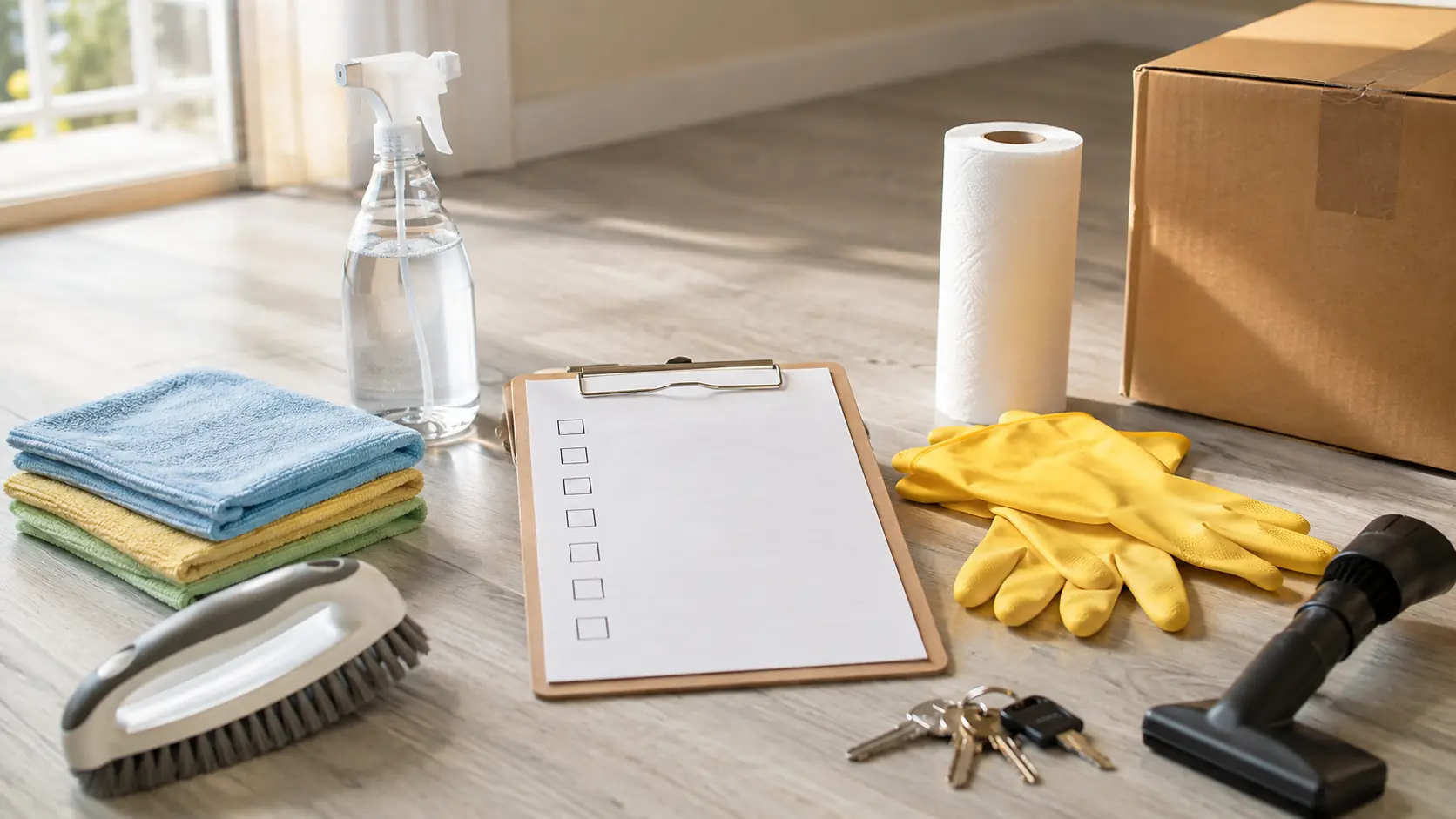
    Apartment move-out cleaning supplies beside a blank checklist and apartment keys
    Keep the final cleaning supplies accessible after the rest of the apartment is packed.

    Use the Right Cleaning Order

    A good sequence prevents you from cleaning the same surface twice. Begin with dry work such as cobweb removal, dusting, vacuuming, and collecting debris. Start at ceiling height, move down walls and fixtures, then finish at baseboards and floors. Clean rooms farthest from the exit first so you do not walk across a freshly mopped area.

    1. Remove remaining belongings, food, labels, and trash.
    2. Dust ceiling fans, vents, light fixtures, ledges, and upper cabinets.
    3. Clean appliance interiors and cabinet or drawer interiors included in your scope.
    4. Wash counters, sinks, bathroom fixtures, doors, trim, and touchpoints.
    5. Vacuum carpet and floor edges, then mop appropriate hard floors.
    6. Inspect in daylight, correct misses, photograph the finished unit, and lock up.

    If time is tight, do not spread effort evenly. Prioritize items specifically named in the lease, visible residue, food-contact areas, bathrooms, appliance interiors, cabinets, and floors. Cosmetic repair, hauling, painting, pest treatment, and carpet repair are different jobs; arrange the right provider rather than trying to solve them with a cleaning product.

    Room-by-Room Apartment Move Out Cleaning Checklist

    Kitchen

    The kitchen usually needs the most time because grease, crumbs, and food residue collect in many small areas. Empty the refrigerator and freezer, discard food, and clean accessible shelves, drawers, seals, and exterior surfaces if those tasks are required. Clean the microwave inside and out. For the oven, range hood, dishwasher, or refrigerator interior, confirm what your agreement requires and what any professional service includes.

    • Wipe counters, backsplash, cabinet fronts, handles, and empty shelves or drawers.
    • Remove crumbs and residue from the stovetop, burner area, and appliance edges.
    • Clean and rinse the sink; polish the faucet with a product safe for its finish.
    • Wipe switches, outlet covers, doors, frames, baseboards, and reachable ledges.
    • Vacuum along cabinets and appliance gaps, then mop the floor without over-wetting it.
    • Remove all food, liners, trash, and recycling.

    Do not scrape a delicate cooktop or use an abrasive product on a finish unless the manufacturer allows it. Heavy grease or mineral buildup may need dwell time, repeated gentle cleaning, or a task-specific product—not greater force.

    Bathrooms

    Work from the mirror and upper surfaces down to the floor. Clean the vanity, sink, faucet, shower or tub, toilet, cabinet exterior, and accessible empty storage. Address soap residue and hard-water spots with products approved for the tile, stone, glass, grout, or metal in your apartment.

    • Clean the toilet bowl, seat, lid, tank exterior, base, and surrounding floor.
    • Wipe mirrors, counters, fixtures, towel bars, switches, and door handles.
    • Remove hair and residue from the shower, tub, drain cover, and corners.
    • Check behind the door, along baseboards, and around the vanity toe-kick.
    • Remove personal products, empty trash, vacuum, and mop last.

    Bedrooms, Living Areas, Closets, and Entry

    Dust ceiling fans, fixtures, vents, blinds, sills, shelves, door tops, and baseboards where accessible. Wipe smudges from switches, handles, closet shelving, and other high-touch surfaces using a finish-safe method. Vacuum carpet slowly in overlapping passes and use an edge tool around walls and closets. Sweep or vacuum hard floors before mopping with the correct amount of moisture.

    Check balcony doors, tracks, entry corners, and the area where a sofa or bed stood. Remove only wall hooks or adhesive products that the lease says you may remove. Patch, paint, or repair only with permission and a proper color or method; an improvised repair can create more work than the original mark.

    Professional cleaner wiping apartment baseboards during a move-out clean
    Empty rooms reveal baseboards, floor edges, and corners that furniture can hide.

    Laundry, Patio, Garage, or Storage Areas

    If these spaces are part of your rental, empty them completely and follow the property’s instructions. Remove lint from accessible laundry surfaces, wipe shelving, sweep storage floors, and pick up debris from the patio or garage. Do not pressure-wash, move installed appliances, or use water near electrical equipment unless the property has approved the method.

    Protect the Handoff With Inspection and Photos

    Plan time for a final walkthrough after surfaces have dried and the apartment is empty. Open every cabinet and closet, look behind doors, inspect appliance interiors included in your checklist, and view floors from several angles. Use your phone flashlight for dark corners. Confirm that trash, food, cleaning supplies, remotes, parking permits, mailbox keys, and access devices are handled according to the property’s directions.

    California Courts explains that a landlord may deduct for cleaning only to return a rental to the level of cleanliness it had when the tenant moved in, and that tenants can ask for a pre-move-out inspection. Review the current California security-deposit guidance and your own lease; this article is practical cleaning information, not legal advice.

    Take clear, dated photos or video of each room, inside included appliances, cabinets, floors, fixtures, and any existing wear. Save the move-in condition report, inspection notes, service receipt, and written messages. Documentation does not replace cleaning, but it creates a useful record of what you returned.

    DIY or Professional Move-Out Cleaning?

    A do-it-yourself clean may fit a small, regularly maintained apartment when you have enough time, the right supplies, and no significant buildup. Professional help can make sense when the unit is larger, your move overlaps with work or travel, you have a short handoff window, or detailed kitchens and bathrooms would consume the time needed for packing and logistics.

    If you hire help, share the apartment size, condition, access details, parking rules, key deadline, and the property’s checklist before the appointment. Ask which appliance interiors, cabinets, windows, blinds, walls, patios, or other tasks are included. SRS Cleaning’s move-in and move-out service is designed for transitions, and its Locations page is the safest place to confirm current Orange County coverage.

    A Simple 48-Hour Move-Out Plan

    Two Days Before Key Return

    Finish packing, remove donations and bulky items, confirm elevator or parking access, and place the cleaning kit where movers will not take it. Photograph any pre-existing condition you want documented. Clean appliance and cabinet interiors that will not be used again.

    One Day Before Key Return

    Complete the kitchen, bathrooms, closets, dusting, trim, and touchpoints. Vacuum throughout, then mop hard floors from the farthest room toward the exit. Let surfaces dry and ventilate the unit safely.

    On Handoff Day

    Do one slow inspection, correct small misses, remove the last trash bag and supplies, and take final photos. Follow the written process for keys, remotes, permits, and forwarding information. Keep copies of the handoff confirmation and any cleaning receipt.

    Frequently Asked Questions

    How clean should an apartment be when moving out?

    Follow the lease and written move-out instructions, with the move-in condition as an important reference point. Remove personal property and trash, address residue and buildup, and clean the rooms and items identified by the property. Normal wear and cleaning needs are not the same as damage.

    Should I clean before or after the movers leave?

    Complete most detailed cleaning after furniture and boxes are gone. You can clean unused cabinets and appliances earlier, but empty rooms allow better access to floor edges, baseboards, closets, and hidden dust.

    Does professional cleaning guarantee my security deposit?

    No. A deposit can involve rent, damage, cleaning, documentation, lease terms, and applicable law. Professional cleaning can reduce missed cleaning tasks, but no responsible cleaning company should promise a particular deposit outcome.

    When should I book apartment move-out cleaning?

    Book as early as your moving dates allow, especially near month-end or a weekend. Schedule after the unit is empty and before the walkthrough or key-return deadline, leaving enough time to review the completed work.

    Leave the Apartment Ready for Its Next Chapter

    A strong apartment move out cleaning checklist turns a vague final chore into a clear sequence: confirm expectations, empty the space, clean top to bottom, inspect carefully, and document the handoff. If your Orange County move is already consuming every available hour, request a fast house-cleaning quote from SRS Cleaning and share your apartment details, deadline, and property checklist.

  • Move In Cleaning vs Move Out Cleaning Explained

    Move In Cleaning vs Move Out Cleaning Explained

    A move changes the way you look at a home. The cabinet that seemed fine yesterday suddenly needs wiping, the baseboards stand out, and every empty room reveals what has been missed. Understanding move in cleaning vs move out cleaning helps you choose the right service, protect your time, and begin the next chapter with less stress.

    Both services are detailed, one-time cleanings designed for an empty or mostly empty property. The difference is not simply whether you are arriving or leaving. It is the goal of the cleaning, the condition of the space, and the expectations that come with the handoff.

    What Move-In Cleaning Is Designed to Do

    Move-in cleaning prepares a home for the people about to live there. Even a well-kept property can hold dust in corners, residue in drawers, and grime in areas that are easy to overlook during a standard turnover. A fresh cleaning gives you a clean starting point before furniture, boxes, and daily routines fill the rooms.

    This service is especially helpful when you are moving into a previously occupied home, a newly purchased property, or a rental that appears clean but does not feel ready for your belongings. It is also useful after renovations or repairs, when fine dust can settle on surfaces long after the work is complete.

    A thorough move-in clean typically focuses on the areas that are difficult to reach once you are unpacked. That includes the inside of empty cabinets and drawers, closet shelves, interior windows where included, baseboards, doors, light switches, and detailed bathroom and kitchen surfaces. In the kitchen, the goal is to make food-prep and storage areas feel clean before you stock the pantry or place dishes in the cabinets.

    The practical benefit is simple: you avoid cleaning around boxes and furniture during an already demanding week. You can unpack knowing the spaces behind your belongings have been addressed.

    What Move-Out Cleaning Is Designed to Do

    Move-out cleaning is centered on leaving a property in a clean, presentable condition for the next resident, property manager, buyer, or landlord. It is often more about restoration and presentation than comfort. The home needs to show well and meet the expectations outlined in a lease, sale timeline, or turnover plan.

    For renters, a detailed move-out cleaning can support a smoother final walkthrough and help address one of the most common reasons for deposit deductions: avoidable cleaning issues. Every lease is different, and cleaning alone cannot guarantee a full security deposit return. Still, leaving the property in strong condition gives you a better starting position if questions arise.

    For homeowners preparing to sell, a clean empty home helps potential buyers focus on the layout, natural light, and finishes instead of dust, stains, or leftover residue. Property managers and real estate professionals also rely on move-out cleaning to shorten the time between occupants and present a well-cared-for property.

    Move-out cleaning often gives extra attention to buildup left behind through daily use. Grease around the stovetop, soap residue in showers, fingerprints near doors, dust behind appliances, and marks in cabinets are common examples. The goal is to leave the space looking cared for, not simply emptied.

    Move In Cleaning vs Move Out Cleaning: The Main Differences

    The core tasks may look similar because both services clean the home from top to bottom. Kitchens, bathrooms, floors, fixtures, cabinets, and high-touch surfaces matter in each case. The important difference is the perspective behind the work.

    A move-in clean is for your peace of mind. It prioritizes the areas you will touch, use, and store belongings in from day one. You may request extra attention inside cabinets, closets, refrigerator shelves, and bathroom surfaces because you want to make the home feel like yours.

    A move-out clean is for the next person and the final impression of the property. It prioritizes removing signs of occupancy and addressing visible buildup so the home is ready for inspection, listing photos, new tenants, or a new owner.

    Timing also differs. Move-in cleaning should happen after the previous residents have fully left and after any painting, repairs, flooring work, or pest treatment is complete. Scheduling too early can mean dust or debris returns before you arrive. Move-out cleaning is best completed after furniture and personal belongings are removed, ideally before the final walkthrough or key handoff.

    What Both Services Usually Cover

    The best way to compare services is to review the actual scope rather than rely only on the label. A professional move-related cleaning generally includes detailed dusting, vacuuming, mopping, bathroom sanitizing, kitchen surface cleaning, and attention to empty cabinets, drawers, doors, trim, and floors.

    The condition of the property matters. A lightly used apartment that was cleaned regularly may need a straightforward detailed service. A home with heavy kitchen grease, pet hair, hard-water buildup, or construction dust may need more time and a customized approach.

    Some tasks are commonly available as add-ons or may require special approval, including inside oven cleaning, refrigerator cleaning, interior windows, blinds, wall washing, garage cleaning, and carpet cleaning. Ask what is included before booking so there are no surprises on cleaning day. Clear communication is particularly valuable when a landlord, property manager, buyer, or seller has a specific checklist.

    How to Choose the Right Service for Your Situation

    Choose move-in cleaning if you want your new space cleaned before you settle in. It is the right choice when you are concerned about what prior occupants may have left behind, when the property has been vacant, or when you want to start unpacking without adding another major task to your list.

    Choose move-out cleaning if you are vacating a rental, placing a home on the market, finishing a lease, or preparing a property for the next occupant. It can also be the right fit for landlords and property managers handling an empty turnover between tenants.

    In some cases, you need both. You may be leaving one home and entering another with only a few days between the two. Booking separate cleanings lets you give each property the attention it needs rather than trying to manage two detailed jobs while coordinating movers, utilities, and paperwork.

    For Orange County moves, scheduling matters as much as the cleaning itself. Weekend moves, lease end dates, and closing timelines can create a tight window. Reserve cleaning early, share the date of your walkthrough or move-in, and let the cleaning team know whether the home will be empty. Those details help create a more accurate plan.

    Make Cleaning Day Easier

    A little preparation helps a professional team work efficiently and focus on the details. For a move-out cleaning, remove all personal belongings, empty trash, and take unwanted items with you or arrange disposal beforehand. Cleaners can clean an empty cabinet, but they should not have to decide what stays and what goes.

    For a move-in cleaning, make sure the previous occupants are out and that contractors have completed their work. If utilities are still active, keep water and electricity available for the appointment. Let the team know about access instructions, parking limitations, building elevator reservations, or any areas that need special attention.

    Photos can be useful before and after a rental turnover, especially if you want a record of the condition of the property. If you have a landlord or management checklist, share it in advance. That keeps expectations clear and helps everyone work from the same information.

    A Clean Start Is Worth Planning For

    Moving creates enough decisions without wondering when you will find time to scrub a shower, clean cabinet shelves, or tackle dust along every baseboard. Whether you are arriving, leaving, selling, or managing a turnover, professional cleaning turns one major task into a scheduled, manageable part of the process.

    SRS Cleaning helps Orange County clients prepare homes for the next step with detail-oriented service, clear communication, and cleaners you can trust in the space. Set the cleaning date around your move, then give yourself room to focus on the parts of the transition that only you can handle.

  • Is Move Out Cleaning Worth It for Your Move?

    Is Move Out Cleaning Worth It for Your Move?

    The last box is sealed, the keys are almost due, and the place somehow looks messier than it did when you started packing. That is the moment many renters and homeowners ask, is move out cleaning worth it? For many moves, the answer is yes – not because cleaning is impossible to do yourself, but because a move-out clean asks for time, energy, and attention to detail when all three are already in short supply.

    A professional service is not necessary for every property or every budget. But when your deposit, sale timeline, landlord inspection, or peace of mind is on the line, it can be one of the more practical costs of moving.

    What Makes Move-Out Cleaning Different?

    Move-out cleaning is more than a quick reset before handing over the keys. It is a detailed cleaning of an empty home, focused on the areas that become visible once furniture, rugs, wall art, and everyday belongings are gone.

    That commonly means cleaning inside cabinets and drawers, wiping baseboards and doors, removing buildup from sinks and showers, degreasing kitchen surfaces, cleaning appliances, vacuuming edges, and mopping floors. A good clean also addresses fingerprints around switches, dust on blinds, residue in the refrigerator, and the crumbs that seem to collect in every cabinet corner.

    Regular cleaning keeps a home comfortable while people are living in it. Move-out cleaning is about returning the space in a clean, presentable condition for the next resident, owner, or tenant. That higher standard is why it often takes longer than people expect.

    Is Move Out Cleaning Worth It for Renters?

    For renters, the biggest question is often the security deposit. While no cleaning company can guarantee a landlord’s decision or prevent deductions for damage, thorough cleaning can remove one of the most common reasons for avoidable charges.

    Lease agreements often require tenants to leave the unit reasonably clean, and some are very specific about appliances, floors, bathrooms, and trash removal. If the property manager finds grease in the oven, soap buildup in the shower, or debris left in cabinets, they may arrange cleaning and deduct the cost from the deposit. Their rate may be higher than what you would pay by booking the service yourself.

    Professional cleaning is especially worthwhile when you have lived in the home for several years, have children or pets, or simply have not had time to stay ahead of deep cleaning. These are normal parts of life, but they can leave behind buildup that is difficult to remove in one rushed afternoon.

    Before booking, read your lease and take clear photos of the empty property after cleaning. Photos create a useful record of the condition you left behind. They also help you spot details you may have missed during your own final walkthrough.

    When Doing It Yourself Makes Sense

    A professional clean is a convenience, not a requirement. If you have a small, well-maintained apartment, several free hours, and access to basic supplies, doing it yourself may be the right call. It can also make sense if your landlord has confirmed that a lighter clean is sufficient and you are comfortable with the work.

    The key is to be realistic about the time involved. Cleaning an empty studio may be manageable in an afternoon. Cleaning a three-bedroom home with bathrooms, appliances, blinds, baseboards, and years of use is a different project. Packing, coordinating movers, changing addresses, returning equipment, and managing children or pets can quickly turn that project into an exhausting late-night task.

    DIY cleaning works best when you can start before move-out day rather than leaving everything until the final few hours. Clean empty cabinets as you pack, wipe down closets as they clear, and handle the refrigerator after the food is gone. Breaking up the work prevents the final day from becoming overwhelming.

    The Real Value: Time, Energy, and Fewer Loose Ends

    The price of Move Out Cleaning is easy to see. The cost of doing it yourself is less obvious. Consider what your time is worth during a move, especially if you are taking time off work, coordinating a new home, or traveling across Orange County on a tight schedule.

    A professional team can usually complete a detailed clean more efficiently because they arrive with a process, appropriate supplies, and a clear division of work. You are not making an extra store run for degreaser, trying to remove old shower buildup with the wrong product, or deciding at 10 p.m. whether the oven is clean enough.

    There is also a mental benefit. Moving creates a long list of small decisions. Handing off one major task to a vetted, insured cleaning team can create room to focus on the move itself. For busy professionals, families, property managers, and real estate agents, that relief is often the strongest reason to book.

    Situations Where Professional Cleaning Has the Most Payoff

    Move-out cleaning tends to offer the best value when the property must meet a higher standard quickly. This includes rental turnovers, homes being prepared for sale, and properties where a new tenant or buyer is scheduled to arrive soon after you leave.

    For sellers, a clean empty home photographs better and gives buyers a more confident first impression. Dusty window tracks, dirty appliances, and marked-up baseboards can make an otherwise well-kept property feel neglected. Cleaning will not replace repairs, painting, or staging, but it helps the home’s condition come through clearly.

    For property managers and landlords, a reliable cleaning appointment can reduce vacancy downtime and keep turnovers organized. Rather than relying on a rushed, inconsistent clean, they can prepare the property for maintenance, photos, showings, or the next resident.

    For homeowners moving out of a long-term residence, professional help can be valuable even when no deposit is involved. Leaving a home in good condition is a considerate handoff, and it prevents one more demanding job from following you into your new place.

    What a Cleaning Service Does Not Cover

    It helps to book with clear expectations. Standard move-out cleaning is intended to address cleaning, not restoration. It does not usually repair holes in walls, replace damaged blinds, remove heavy stains that have permanently set, haul away unwanted furniture, or fix broken appliances.

    If there are unusual conditions, mention them before the appointment. Examples include severe pet hair, smoke residue, heavy grease, mold concerns, construction dust, or a home that has been vacant for an extended period. Clear communication helps the cleaning provider prepare properly and gives you a more accurate quote.

    You should also confirm what is included. Ask whether the refrigerator and oven interior are covered, whether cabinets are cleaned inside, and whether the service includes window interiors or blinds. Every provider’s scope can vary, so a written checklist is more useful than assumptions.

    How to Decide Before You Book

    Start with four practical questions: How much cleaning is truly needed? How much time do you have before key handoff? Could a deposit deduction or delayed turnover cost more than the service? And do you have the energy to do detailed work after packing and moving?

    If your answers point to a large job, a short timeline, or high stakes, professional cleaning is usually a smart investment. If the home is already in excellent condition and you have time to clean it thoroughly, DIY may save money without creating much stress.

    For Orange County renters, homeowners, and property professionals, scheduling also matters. Aim to arrange cleaning after the home is fully empty and before the final inspection, photos, or key transfer. Leave enough time for a walkthrough afterward so you can remove remaining trash, check closets, and make sure personal items have not been left behind.

    SRS Cleaning provides move-in and move-out cleaning with the dependable communication and detail-oriented care that a transition deserves. Whether you choose professional help or take on the work yourself, treat the final clean as part of the move plan, not an afterthought. A calm handoff starts with giving the last day enough time and attention.

  • Rental Turnover Cleaning Guide for Property Managers

    Rental Turnover Cleaning Guide for Property Managers

    A vacant rental can look simple from the doorway, then reveal a full day of work once the lights are on. Grease inside cabinets, dust along baseboards, soap buildup in showers, and forgotten items in drawers can quickly delay the next showing. This rental turnover cleaning guide helps property managers and landlords create a repeatable process that protects the property, supports faster leasing, and gives incoming residents a clean start.

    The goal is not just to make a home look presentable for photos. A thorough turnover clean helps reveal maintenance issues, reduces complaints at move-in, and signals that the property is professionally cared for. For busy Orange County property managers, that consistency can make a demanding turnover schedule much easier to manage.

    Start With a Walk-Through Before Cleaning

    Cleaning goes faster when no one is guessing what needs attention. Before bringing in supplies or a cleaning crew, walk the property room by room and document its condition. Compare the home against the move-out inspection and note anything outside the scope of normal cleaning, such as wall damage, broken blinds, excessive debris, pest concerns, or appliances that need repair.

    Take photos before work begins. They provide a clear record for owner communication, security deposit decisions, and vendor coordination. They also help separate cleaning from repairs. A cleaner can remove dust from a ceiling fan, for example, but a loose or damaged fan should be handled by a qualified maintenance professional.

    At this stage, remove any personal items or abandoned belongings according to your company policy and applicable California requirements. Cleaning around leftover boxes, furniture, or trash wastes time and makes it harder to judge the property’s true condition.

    Use a Rental Turnover Cleaning Guide by Room

    A dedicated apartment turnover cleaning checklist can coordinate vendor sequencing, room-by-room quality control, and final unit-readiness sign-off. For deeper cleaning detail, a room-by-room checklist keeps quality consistent, especially when multiple people are involved. It also prevents common misses that new tenants notice immediately, such as crumbs in drawers or hair around the base of a toilet.

    Kitchen: Focus on Food Surfaces and Appliances

    Kitchens usually take the most time because grease and food residue collect in places that are easy to overlook. Empty cabinets and drawers, then wipe their interiors, fronts, handles, and edges. Clean countertops, backsplashes, sinks, faucets, and light switches. Pay close attention to the area behind and beneath small appliances if they remain in the unit.

    Appliances need more than a quick wipe-down. Clean the microwave inside and out, including the turntable. Remove crumbs and residue from the oven, stovetop, range hood, and drip pans where applicable. The refrigerator should be emptied, wiped inside, and checked for spills in drawers and door seals. If an appliance has heavy grease, burned-on residue, or a persistent odor, plan for extra time rather than rushing the result.

    A clean kitchen is a strong first impression. It also helps incoming tenants feel comfortable using the space from day one.

    Bathrooms: Reset the Most Scrutinized Room

    Bathrooms can make a clean property feel neglected if soap scum, mineral buildup, mildew, or stray hair remains behind. Clean and disinfect the toilet, shower, tub, vanity, sink, mirror, fixtures, and surrounding floors. Wipe cabinet interiors and drawers, not just visible surfaces.

    Check grout, caulking, and shower doors as you work. Some discoloration may respond to cleaning, while cracked caulk, recurring mildew, or damaged grout may require maintenance. Treating these as separate issues avoids promising a cleaning result that the condition of the material cannot support.

    Vent covers and exhaust fans deserve attention too. Dust buildup affects appearance and may point to a ventilation issue worth investigating before a new resident moves in.

    Bedrooms and Living Areas: Clean Beyond the Open Floor

    Vacant rooms can hide a surprising amount of dust. Begin high and work down: ceiling fans, light fixtures, vents, window ledges, blinds, baseboards, doors, and floors. Wipe closet shelves, rods, and drawer interiors where provided. Open every closet and cabinet, even if it appears empty.

    For hard flooring, sweep or vacuum thoroughly before mopping. For carpet, vacuum slowly along edges and in closets. Professional carpet cleaning may be appropriate after a long tenancy, visible stains, pet odors, or heavy soil. It depends on the lease terms, the carpet’s age, and the actual condition. Shampooing every carpet between every resident is not always necessary, but skipping it when odors remain can lead to a difficult move-in conversation.

    Windows, Entryways, and Outdoor Touchpoints

    The front door and entryway set expectations before a prospect sees the rest of the property. Wipe the door, handle, lock area, mailbox, and visible light fixtures. Remove cobwebs near the entry and clear loose debris from the immediate approach.

    Inside, clean reachable window glass, tracks, sills, and blinds. Window tracks are a frequent missed detail, particularly in coastal areas where dust and moisture can collect. Full exterior window cleaning may need its own vendor and schedule, but interior glass should look clear enough for showings and move-in.

    Clean in the Right Order to Avoid Rework

    The best turnover workflow follows the natural path of dust and traffic. Start with dry work and high surfaces, then move to detailed wiping, bathrooms and kitchens, and finally the floors. If floors are cleaned too early, workers will track dust and debris back through the home.

    Save final touches for the end: polishing fixtures, replacing burned-out bulbs if that is part of your process, checking for fingerprints, and making sure bins are empty. A final walk-through should happen after all vendors have finished. There is little value in a spotless floor if a maintenance visit leaves behind drywall dust or boot marks an hour later.

    For quick turns, divide the work by zone rather than having everyone clean the same room at once. One person can focus on kitchens and baths while another handles dusting, windows, and floors. Clear responsibilities reduce duplicate work and make it easier to spot gaps before the property is released for showings.

    Know What Cleaning Cannot Fix

    A reliable turnover process protects everyone from confusion about what is clean versus what is worn, damaged, or in need of replacement. Etched glass, permanent countertop stains, chipped tile, smoke odor, water damage, and worn flooring may not be resolved by standard cleaning.

    Be clear with owners and incoming residents when a repair or replacement is needed. Trying to disguise a condition issue with fragrance or surface-level cleaning can create more complaints later. A well-maintained rental does not have to look brand new, but it should be hygienic, functional, and honestly presented.

    Build Time Into the Turnover Schedule

    A rushed schedule is where details get missed. Whenever possible, schedule cleaning after move-out, trash removal, and major repairs, but before final photography, listing appointments, and tenant move-in. If painting, flooring work, or appliance installation is planned, cleaning may need to happen in stages. A post-construction dust removal visit followed by a final detail clean is often more effective than asking one cleaning appointment to solve everything.

    Keep a record of each property’s usual turnover needs. A unit with stainless appliances, glass shower doors, blinds throughout, or pets may require more time than a similarly sized home with simpler finishes. Over time, this information helps you schedule more accurately and quote owners with fewer surprises.

    When Professional Turnover Cleaning Makes Sense

    Some turnovers are manageable in-house, particularly when a unit was lightly used and the schedule is flexible. Professional cleaning is often the better fit when a property needs to be market-ready quickly, the previous tenant left heavy buildup, or your team is already coordinating repairs, inspections, and leasing activity.

    Look for a provider that communicates clearly about scope, arrival times, and any issues found during service. For occupied or recently vacated homes, trust matters just as much as cleaning skill. Background-checked, insured professionals can give property managers confidence that the work is handled carefully and consistently.

    SRS Cleaning supports rental turnovers across Orange County with detail-focused move-in and move-out cleaning designed to reduce the pressure on landlords and property teams. A clear scope and a dependable schedule help turn an empty unit into a home that is ready for its next resident.

    A clean turnover is one of the few parts of the leasing process that residents can see and feel immediately. Give it the time, inspection, and care it deserves, and the next move-in can begin with fewer loose ends and more peace of mind.

  • Move Out Cleaning Guide for a Stress-Free Handoff

    Move Out Cleaning Guide for a Stress-Free Handoff

    Moving day has a way of making every small task feel urgent. Boxes are stacked by the door, keys need to be returned, and the property still has to look its best. This move out cleaning guide helps you handle the final clean with a clear plan, whether you are protecting a security deposit, preparing a home for sale, or turning over a rental in Orange County.

    A move-out clean is different from a normal weekly cleaning. The goal is not simply to make the space look tidy. It is to remove the signs of daily living from areas that are easy to overlook, such as inside cabinets, behind appliances, baseboards, and bathroom fixtures. A thoughtful approach can reduce last-minute stress and help create a smoother handoff.

    Start Your Move Out Cleaning Guide Before the Last Day

    The easiest way to make move-out cleaning harder is to wait until the home is empty and you are already exhausted. Begin planning several days before your move, even if you intend to hire help for the final cleaning. Read your lease, seller agreement, or property management instructions first. These documents may identify specific expectations for carpets, appliances, trash removal, wall marks, or key return.

    Take photos of each room before you begin. Clear pictures give you a record of the property’s condition and help you spot areas that need more attention. If you are renting, compare the current condition with your move-in photos, allowing for reasonable wear and tear. A few small nail holes may be acceptable under your agreement, while heavy grease buildup or neglected fixtures may not be.

    Schedule cleaning after furniture and belongings are removed whenever possible. Empty rooms reveal dust along wall edges, scuffs beneath rugs, and crumbs under appliances. If your moving timeline is tight, clean cabinets, closets, and less-used rooms as you pack. That leaves floors, bathrooms, and the kitchen for the final pass.

    Clear the Space Before You Clean

    Cleaning around belongings adds time and makes it easier to miss surfaces. Before bringing out supplies, remove all personal items, dispose of trash, and check every storage area. Open drawers, cabinets, medicine cabinets, garage shelves, patio storage, and laundry spaces. The most frustrating move-out issue is often something simple left behind.

    Separate items into what will move with you, what can be donated, what should be recycled, and what needs proper disposal. Paint, chemicals, batteries, and electronics should not be left at the curb or inside the property. If your building has rules for bulk pickup or designated disposal areas, follow them before your final walkthrough.

    Once the home is empty, work from high to low. Start with ceiling fans, vents, shelves, and walls, then clean counters, fixtures, and appliances. Finish with floors. This order prevents fresh dust from settling on areas you have already cleaned.

    Focus on the Rooms That Receive the Most Scrutiny

    Landlords, buyers, property managers, and incoming residents tend to notice kitchens and bathrooms first. These rooms collect the most residue, and they are also the spaces where a detailed clean makes the biggest visual difference.

    The kitchen

    Start by removing crumbs and debris from cabinets and drawers. Wipe interiors, doors, handles, and the top edges of upper cabinets. Grease can settle on cabinet fronts and backsplashes even when it is not immediately visible, so use a suitable degreaser and avoid overly abrasive pads that may damage finishes.

    Clean the oven according to the manufacturer’s guidance. Pay attention to racks, the oven door, the stovetop, burner grates, and the area beneath removable components. The refrigerator should be fully emptied, wiped inside and out, and left according to the property’s instructions. Do not forget the microwave, dishwasher filter area, sink drain, faucet base, and garbage disposal splash guard if applicable.

    Appliances can be a trade-off. A light wipe-down may be enough when a home is being renovated or when a buyer has planned replacements. For a standard rental turnover, however, a detailed appliance clean is usually expected. When in doubt, follow the lease or ask the property manager before assuming an area can be skipped.

    The bathrooms

    Bathrooms need more than a quick wipe of the vanity. Remove hair and residue from drawers, wipe mirrors without leaving streaks, and clean around faucet bases where mineral deposits often collect. Scrub the shower, tub, tile, grout, toilet exterior, and the floor behind the toilet.

    Hard-water spots are common in Orange County homes, especially on shower glass and fixtures. They may require a product designed for mineral buildup and more than one treatment. Test any cleaner in an inconspicuous spot first, particularly on natural stone, specialty tile, or delicate finishes. Strong chemicals can solve one problem while creating another.

    Bedrooms, living areas, and hallways

    Dust ceiling fans, blinds, window sills, doors, trim, baseboards, and closet shelving. Wipe light switches and door handles, which are small details but highly visible during a walkthrough. Check walls for removable marks and use a gentle method before trying anything more aggressive.

    Vacuum carpets slowly, including closet floors and edges. If the lease requires professional carpet cleaning, arrange it early and keep the receipt. For hard floors, sweep or vacuum first, then use the correct cleaner for the material. Too much water on wood or laminate can cause damage, so a damp mop is often safer than a soaking one.

    Do Not Forget the Easy-to-Miss Areas

    A reliable move-out clean comes down to the places people do not see every day. These details often separate a home that feels generally clean from one that feels ready for the next person.

    Before your walkthrough, check these commonly missed areas:

    • Inside closets, drawers, cabinets, and pantry shelves
    • Behind and beneath the refrigerator, stove, washer, and dryer when safely accessible
    • Baseboards, door frames, window tracks, blinds, and ceiling fan blades
    • Light switches, outlet covers, door handles, and thermostat covers
    • Laundry lint traps, utility rooms, garage corners, patios, and balconies
    • Trash bins, mailbox areas, outdoor entryways, and any space included in your lease

    Not every property requires the same scope. A furnished apartment, single-family rental, condo, office suite, and home being listed for sale all have different priorities. The best standard is simple: leave the space in a condition you would feel comfortable walking into yourself.

    Know When Professional Move-Out Cleaning Makes Sense

    A DIY clean can work well when the home is small, lightly used, and you have enough time after moving. It becomes more difficult when you are coordinating movers, work schedules, children, pets, repairs, or a strict key-return deadline. Large homes and properties with built-up kitchen or bathroom residue can take far longer than expected.

    Professional move-out cleaning is often a practical choice when the handoff needs to be thorough and predictable. It can also be helpful for property managers and real estate professionals who need a consistent presentation between tenants or before showings. The right cleaning team should communicate clearly about the scope of work, arrival timing, and any add-on needs such as interior appliances, cabinets, or detailed floor care.

    For renters, professional service is not a guarantee that every deposit question disappears. Damage, unpaid fees, lease violations, and required repairs are separate matters. Still, a documented detailed clean can help show that you took reasonable care of the property. For sellers, a polished home can make final photos, showings, and buyer walkthroughs feel more confident.

    SRS Cleaning provides move-in and move-out cleaning for Orange County clients who want a dependable, detail-oriented reset without adding another major task to moving day.

    Finish With a Calm Final Walkthrough

    Once cleaning is complete, walk through the property slowly with your phone camera and any checklist from your lease or property manager. Turn on lights, open cabinets, flush toilets, run faucets briefly, and look at surfaces from different angles. Natural light can reveal streaks, dust, and marks that were easy to miss during cleaning.

    Remove all trash, confirm that personal belongings are gone, and leave keys, remotes, parking passes, or access devices exactly as instructed. Take final photos after the property is empty and cleaned, then save receipts and communication related to the move-out.

    A move is already a major transition. Giving the final clean a clear plan protects your time, helps the handoff go more smoothly, and lets you close one door without carrying unnecessary stress into your next home.