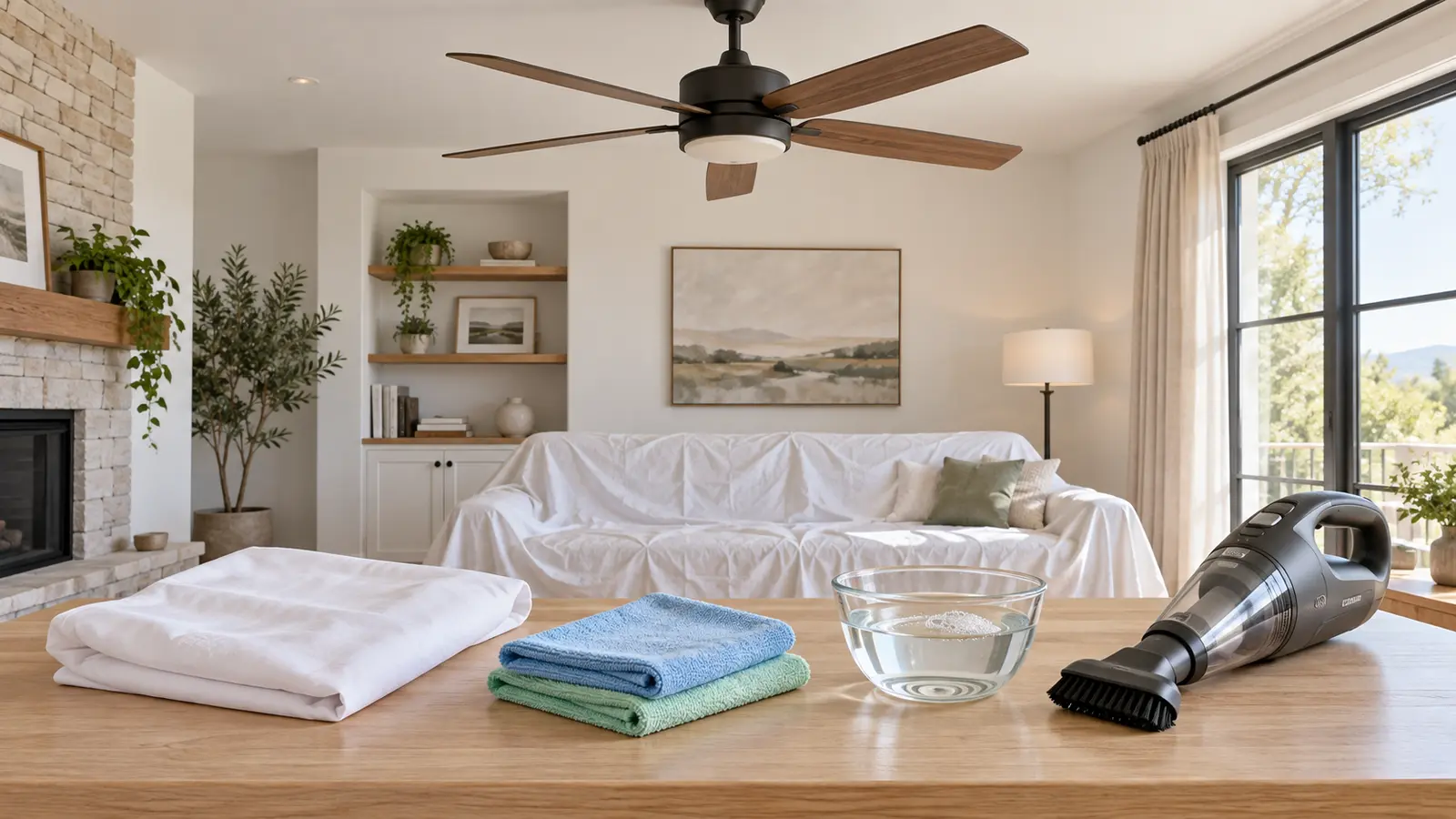
A buyer may not remember every fixture in a home, but they will notice sticky cabinet handles, dusty ceiling fans, water spots on glass, and a kitchen that feels less than fresh. To clean before home sale is not about making your house look lived in by no one. It is about helping buyers see a well-cared-for property and imagine their own life there.
For sellers juggling repairs, paperwork, moving plans, and showings, cleaning can quickly become one more source of pressure. A focused approach makes a real difference. Put your effort into the areas buyers see first, touch most often, and use to judge the overall condition of the home.
Why a Clean Home Changes the Showing Experience
Cleanliness affects more than appearance. It changes how a space feels. Bright counters, clear floors, and fresh bathrooms make rooms seem more open and easier to maintain. Buyers can pay attention to the layout, storage, natural light, and finishes instead of wondering what has been neglected.
That matters in a competitive market such as Orange County, where online photos and early showings can shape a buyer’s interest quickly. A clean home supports better listing photos and helps each room feel ready from the first walk-through.
There is also a practical reason to clean thoroughly before listing. Dirt can hide small issues that deserve attention, such as a leak under a sink, grime around a shower door, or scuffs that need a quick touch-up. Cleaning gives you a closer look at the home before buyers and inspectors do.
Start With the Spaces That Carry the Most Weight
You do not need to scrub every hidden corner before the first showing. Start with the rooms that create the strongest impression: the entry, kitchen, bathrooms, main living areas, and primary bedroom. These are the places where buyers tend to pause, open drawers, look closely, and picture their routines.
Make the entry feel simple and welcoming
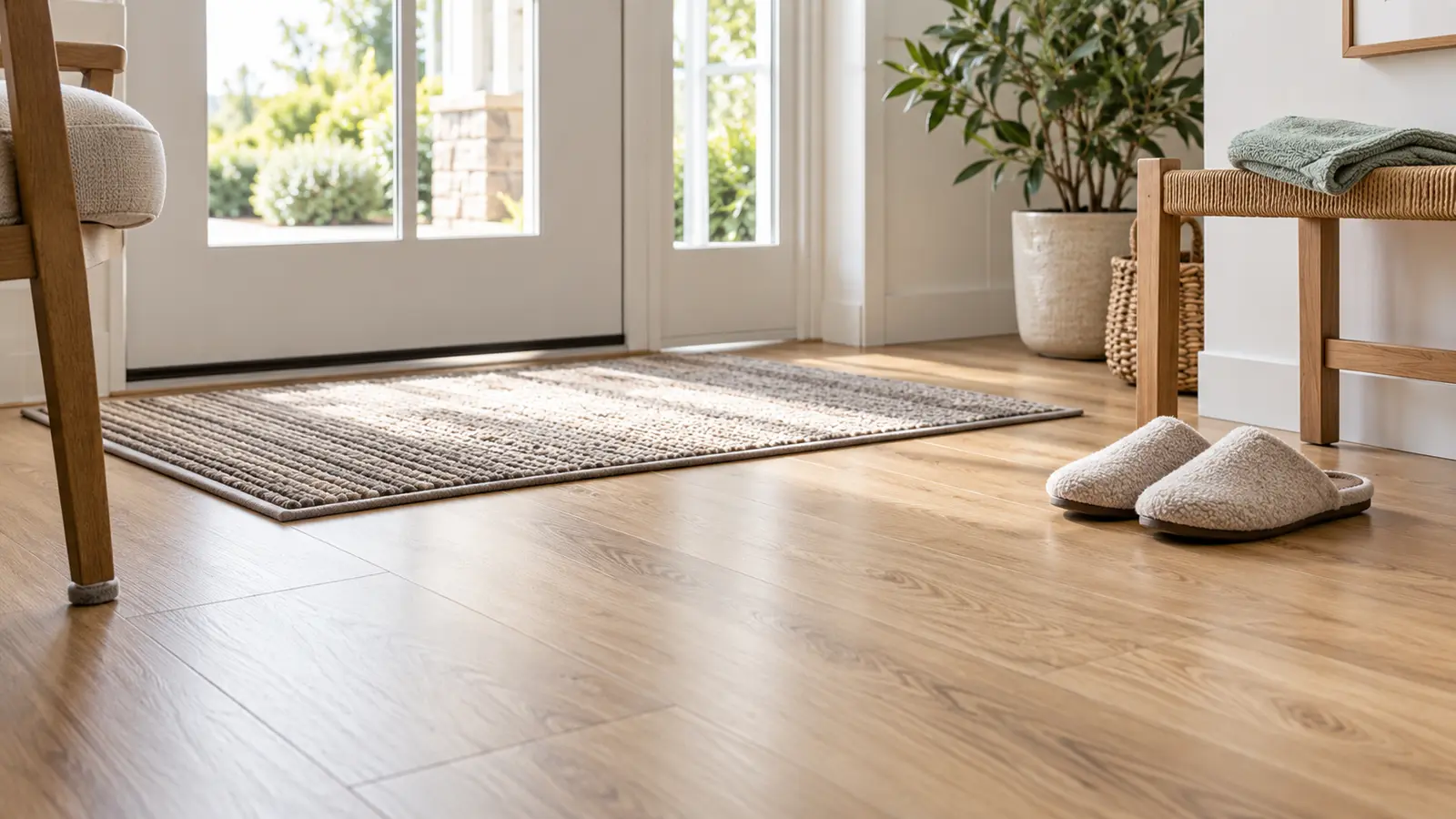
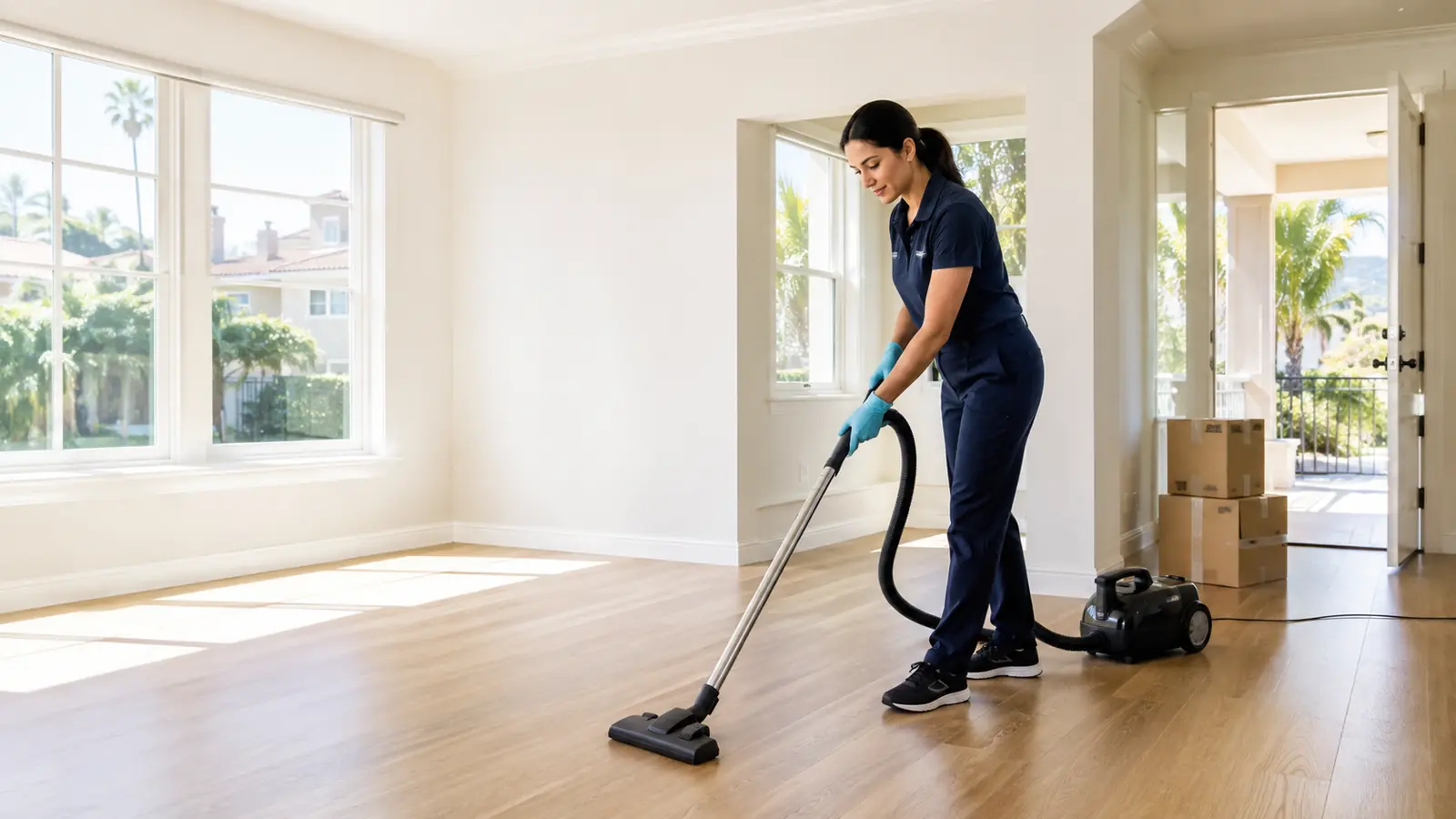
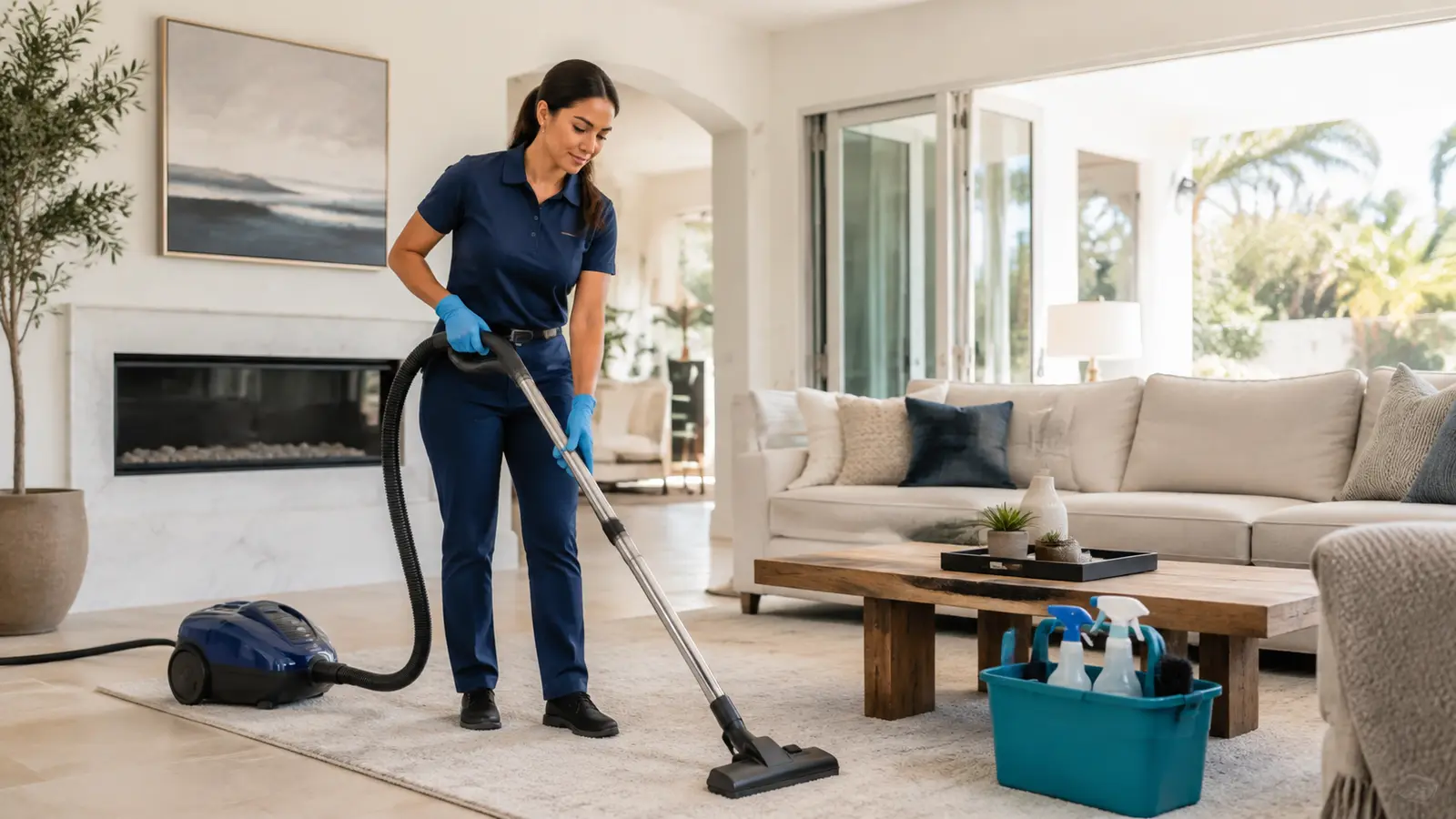
The entry sets expectations for the rest of the home. Sweep or vacuum thoroughly, remove shoes and extra decor, wipe the front door and hardware, and clean the glass if there is one. A clean doormat and an uncluttered path are small details, but they signal care before anyone steps inside.
Outside, clear cobwebs near the door, pick up leaves, and wipe down visible patio furniture. Curb appeal is not only about landscaping. It is also about making the property feel maintained from the sidewalk to the threshold.
Give the kitchen a true reset
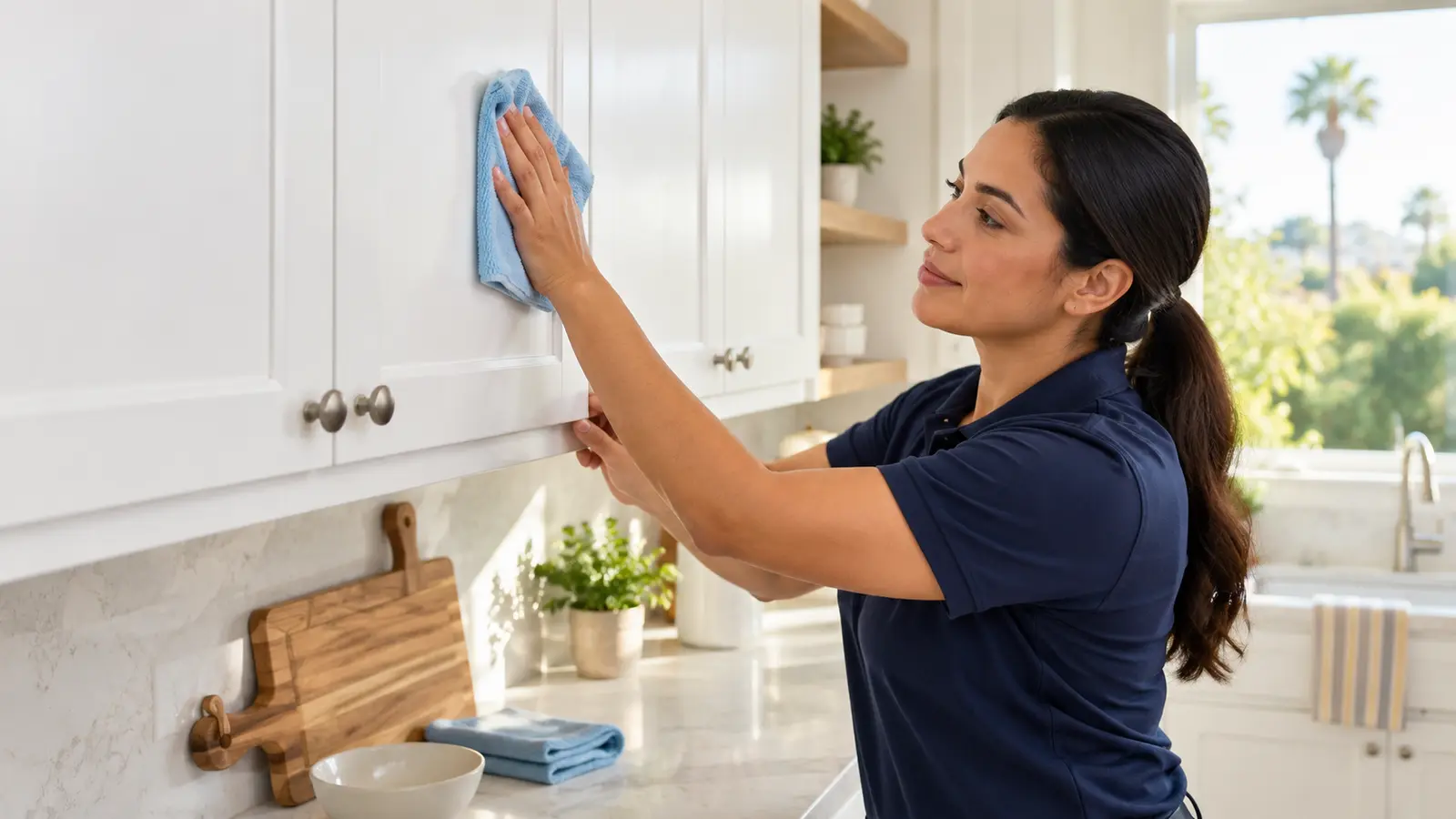
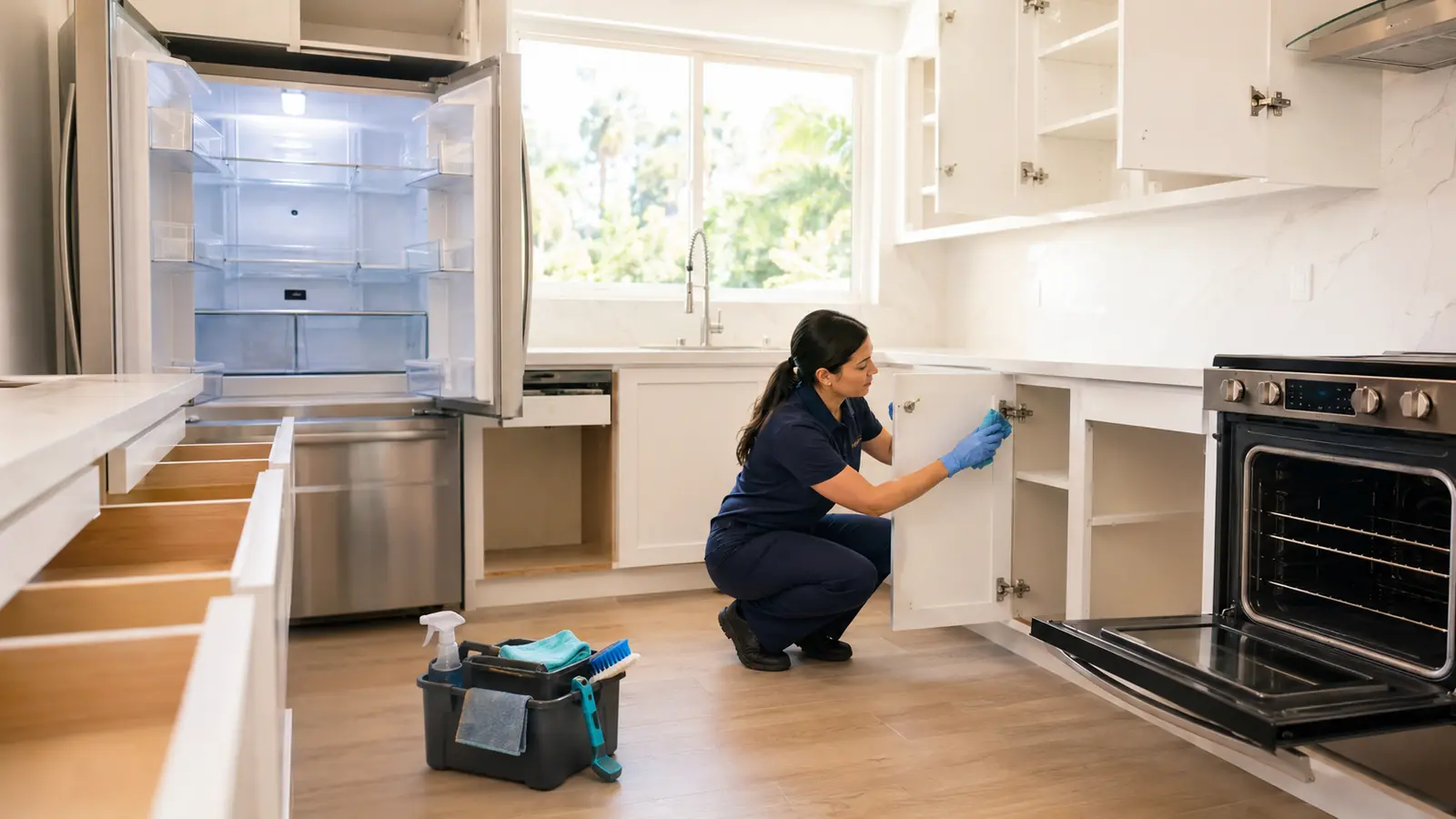
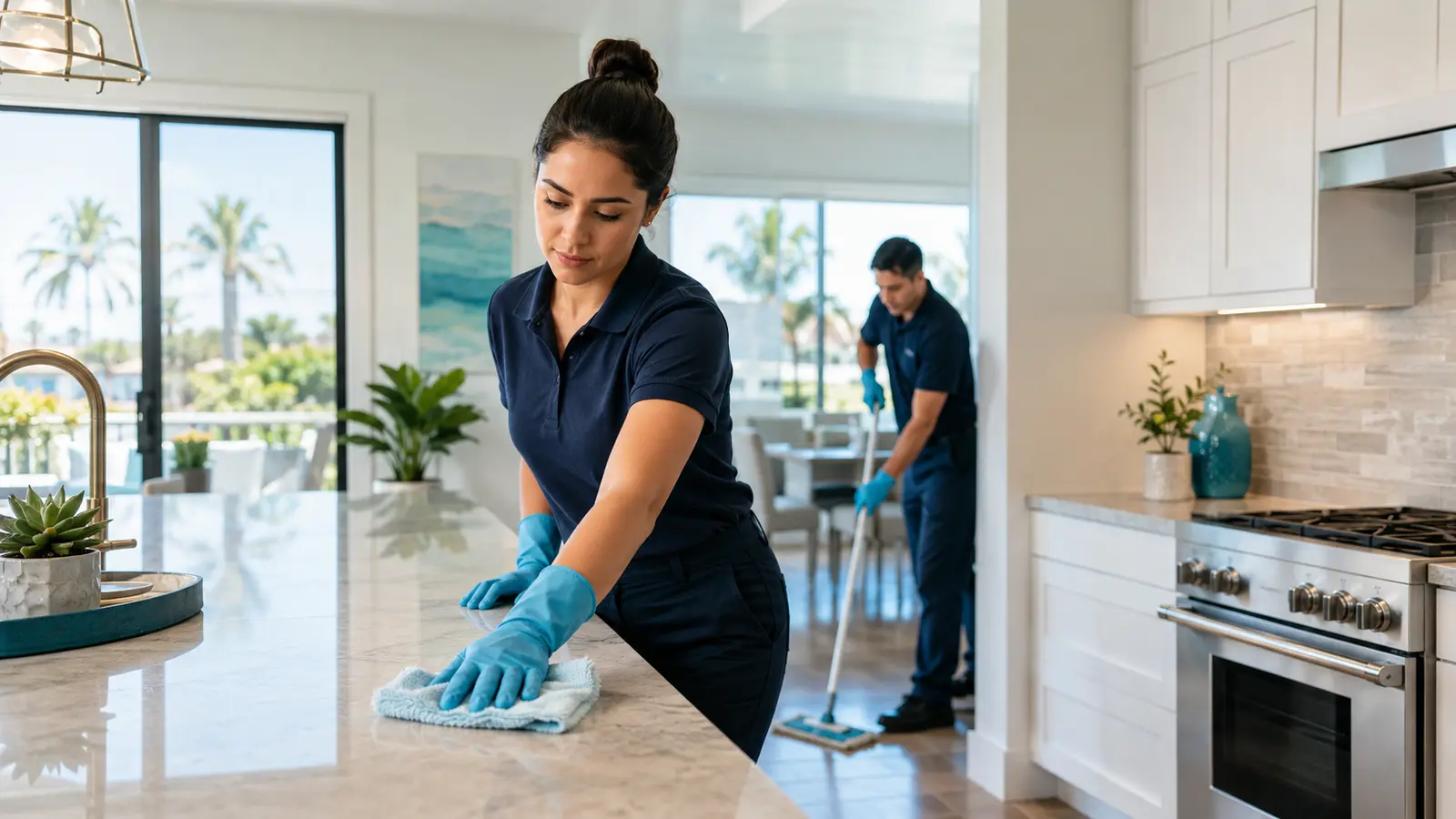
Kitchens receive close attention because buyers know they are high-use spaces. Clear countertops as much as possible, then clean the surfaces underneath. Degrease the stovetop, clean the microwave inside and out, wipe cabinet fronts, and polish the sink and faucet until they look cared for.
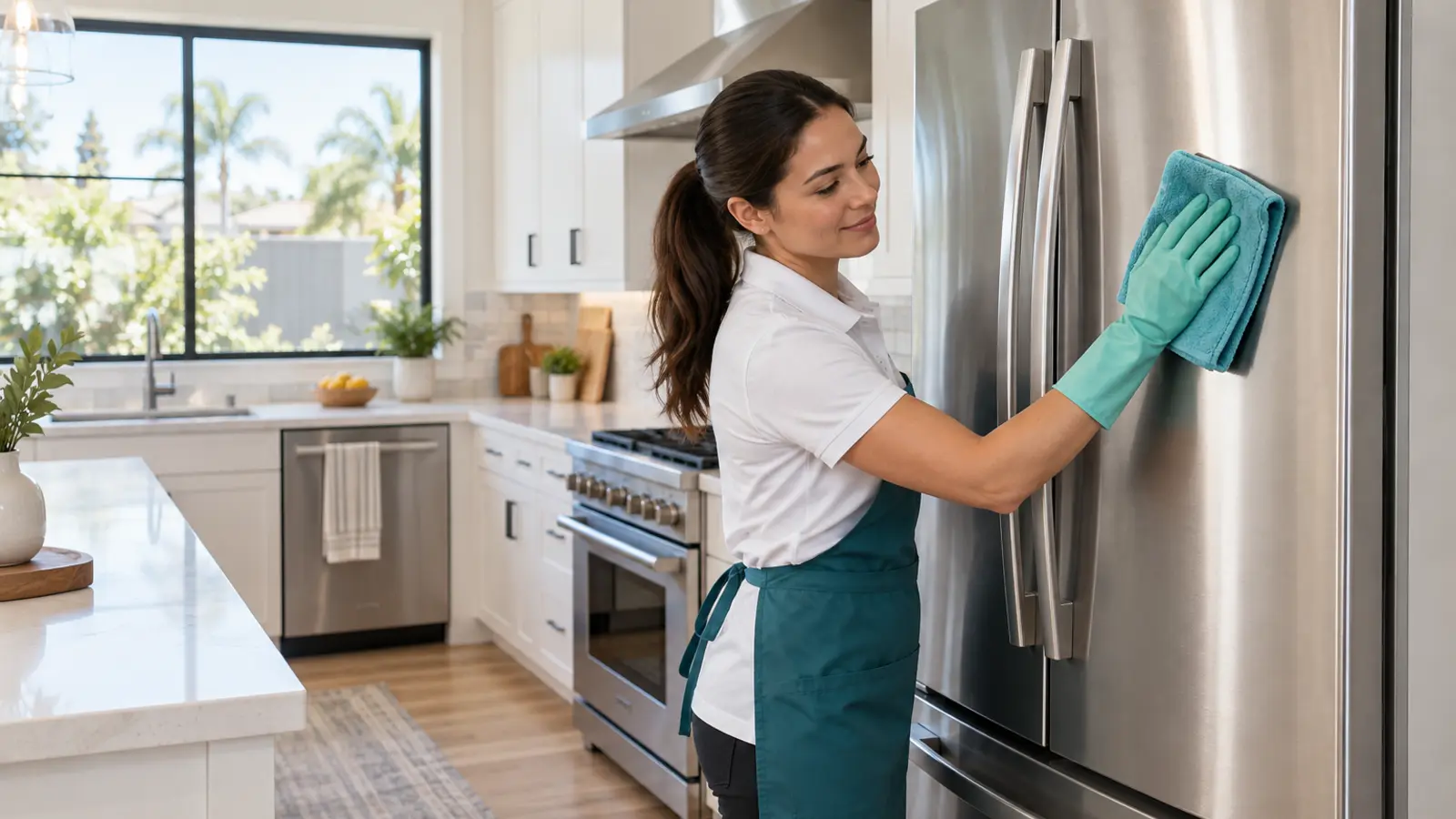
Do not overlook the refrigerator exterior, dishwasher door, pantry shelves, or the floor along cabinet edges. If your refrigerator is staying with the home, clean the inside as well. A nearly empty, clean refrigerator looks much better than one filled with old containers and magnets.
Let bathrooms look fresh, not merely picked up
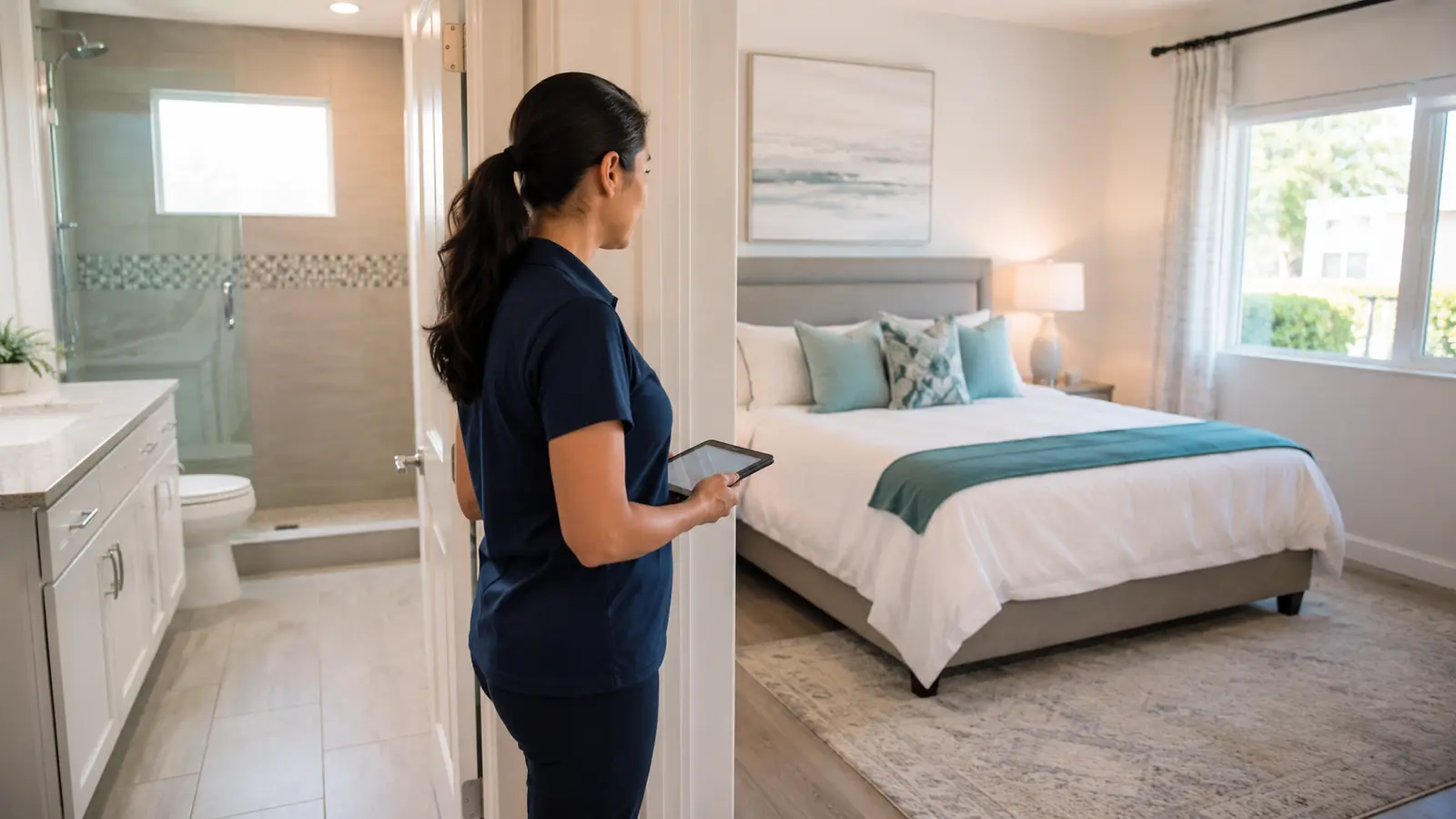
Bathrooms should feel clean enough that a buyer would be comfortable using them immediately. Remove personal products from counters, clean mirrors without streaks, scrub the toilet, and give extra attention to the shower, tub, grout, and fixtures. Replace worn towels with fresh, neutral ones if they will remain during showings.
A bathroom does not need to look like a hotel bathroom. It should simply look clean, dry, and easy to care for. If mildew, heavy soap buildup, or stained grout will not lift with routine cleaning, consider whether a repair or restoration step makes more sense before listing.
Clean What Buyers Touch and Look At Closely
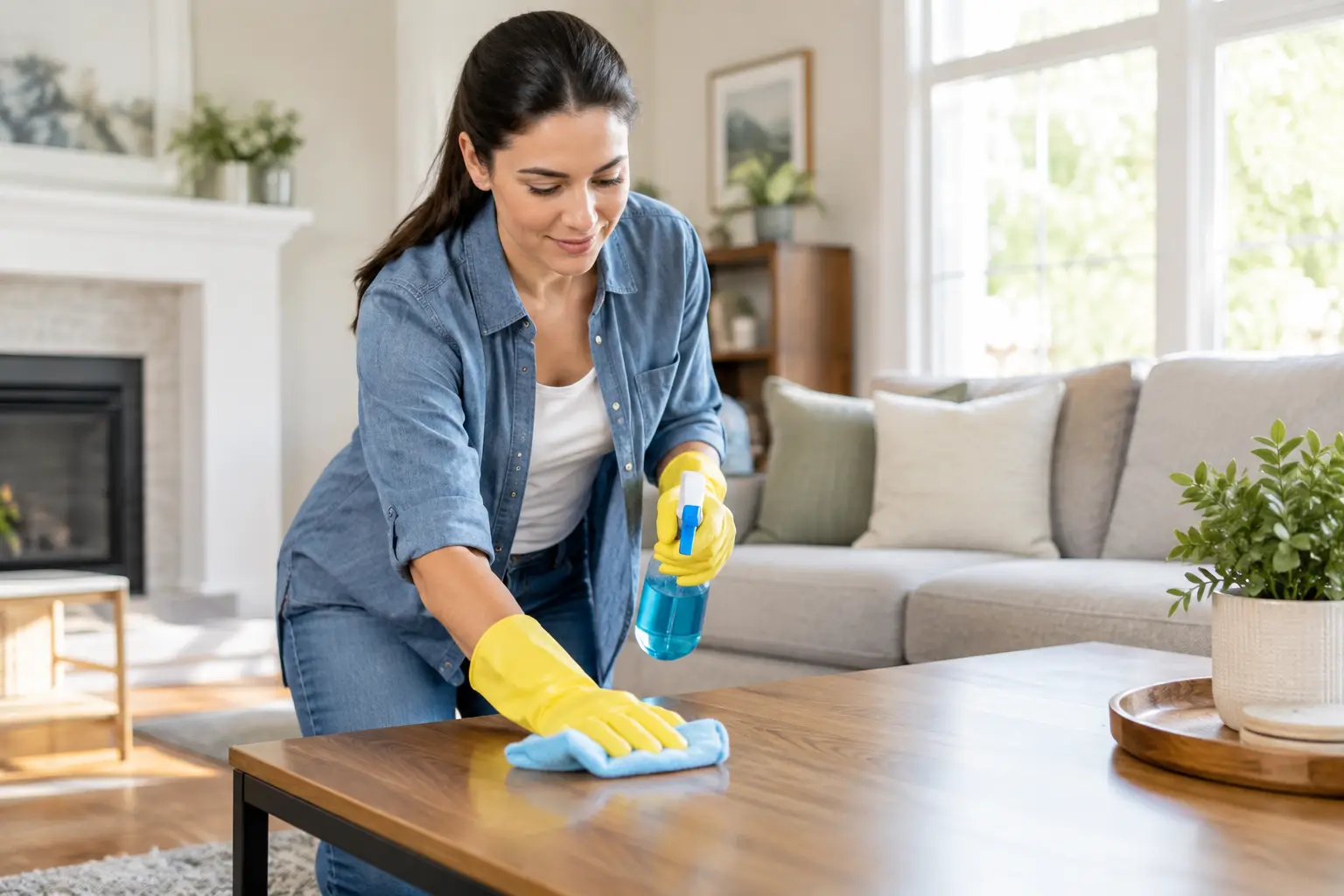
After the main rooms are addressed, work through the high-contact and high-visibility details. These tasks are often what make a home feel polished rather than rushed.
Focus on these areas before photos and showings:
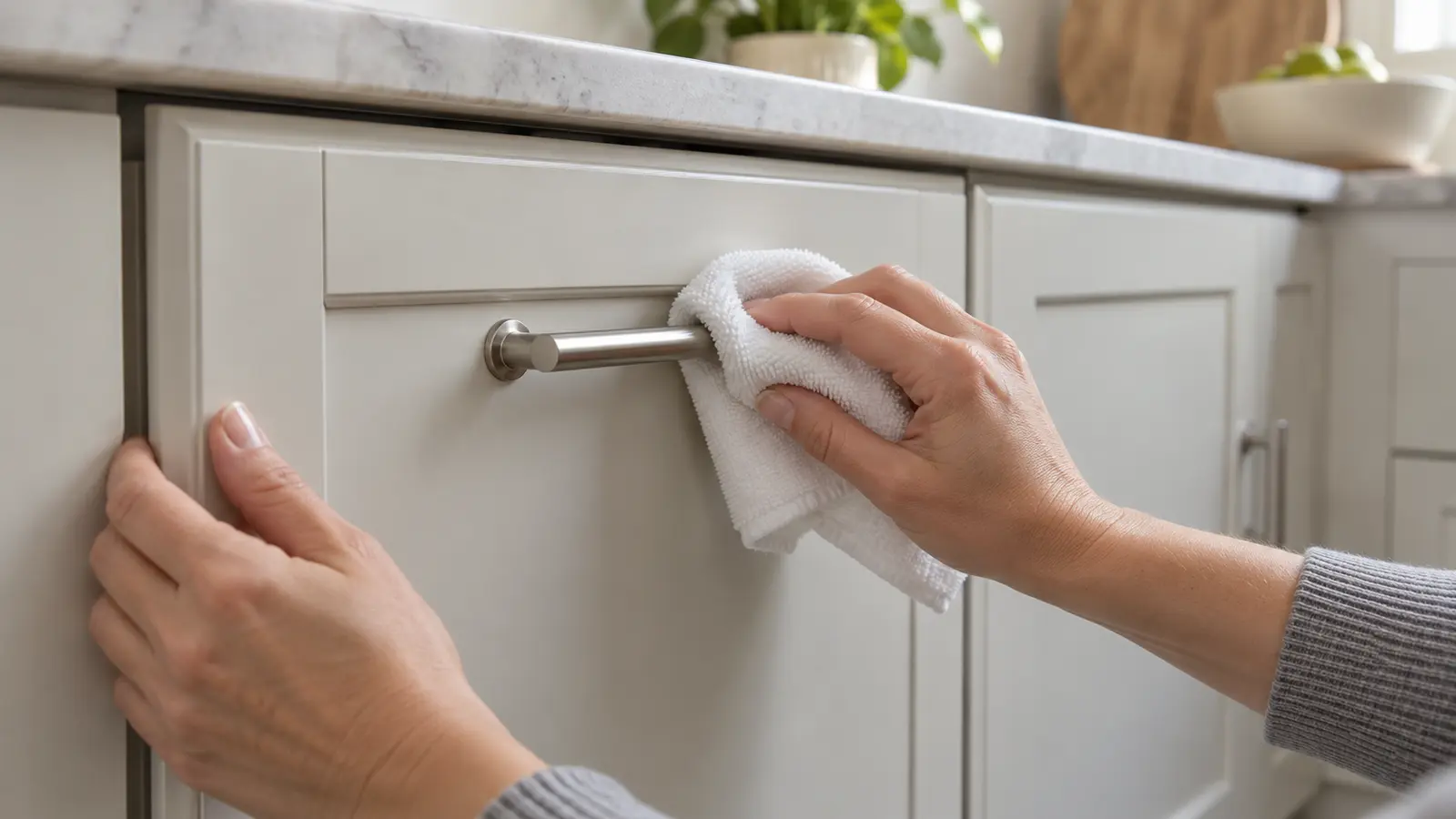
- Light switches, door handles, cabinet pulls, and railings
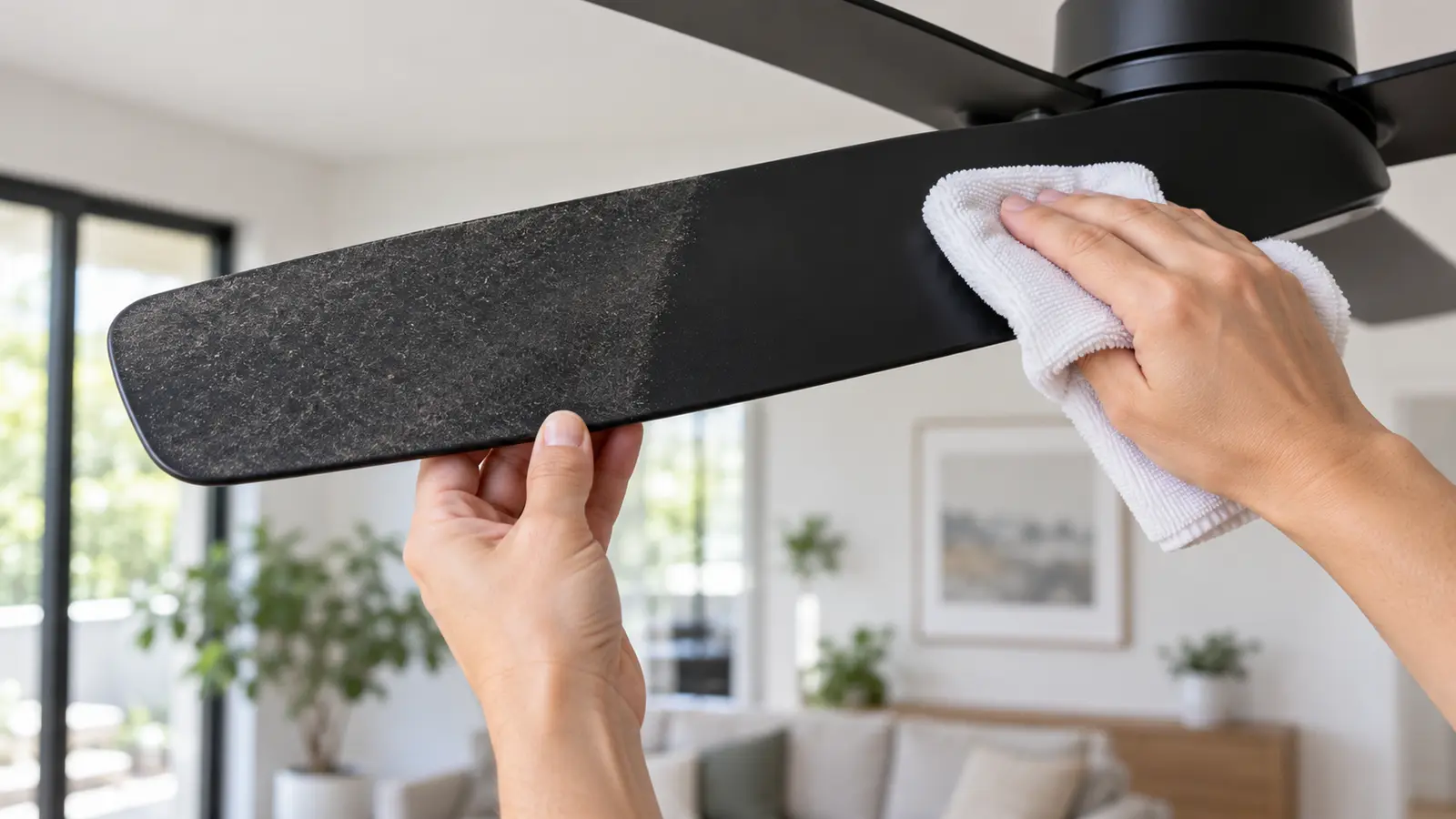
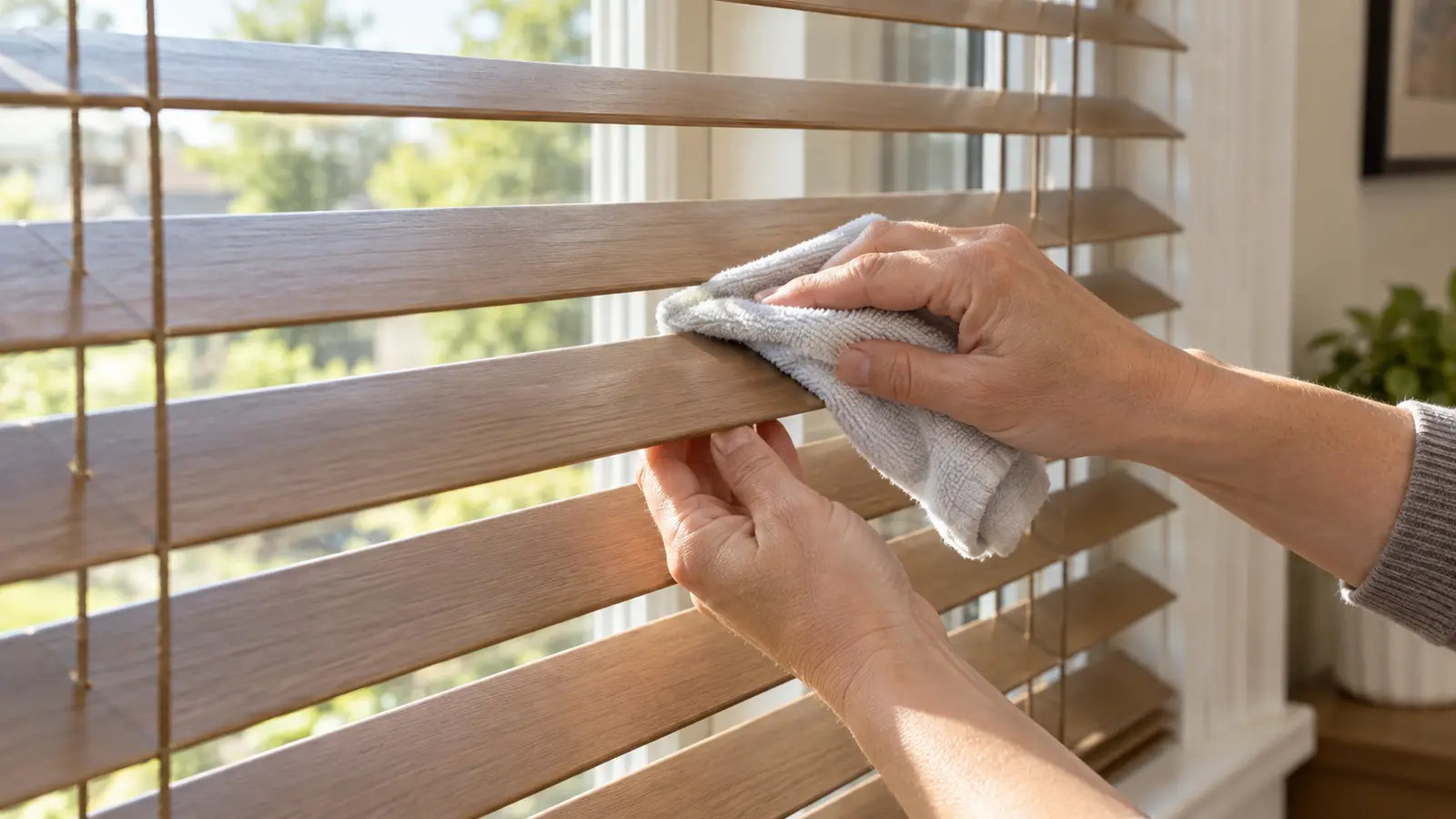
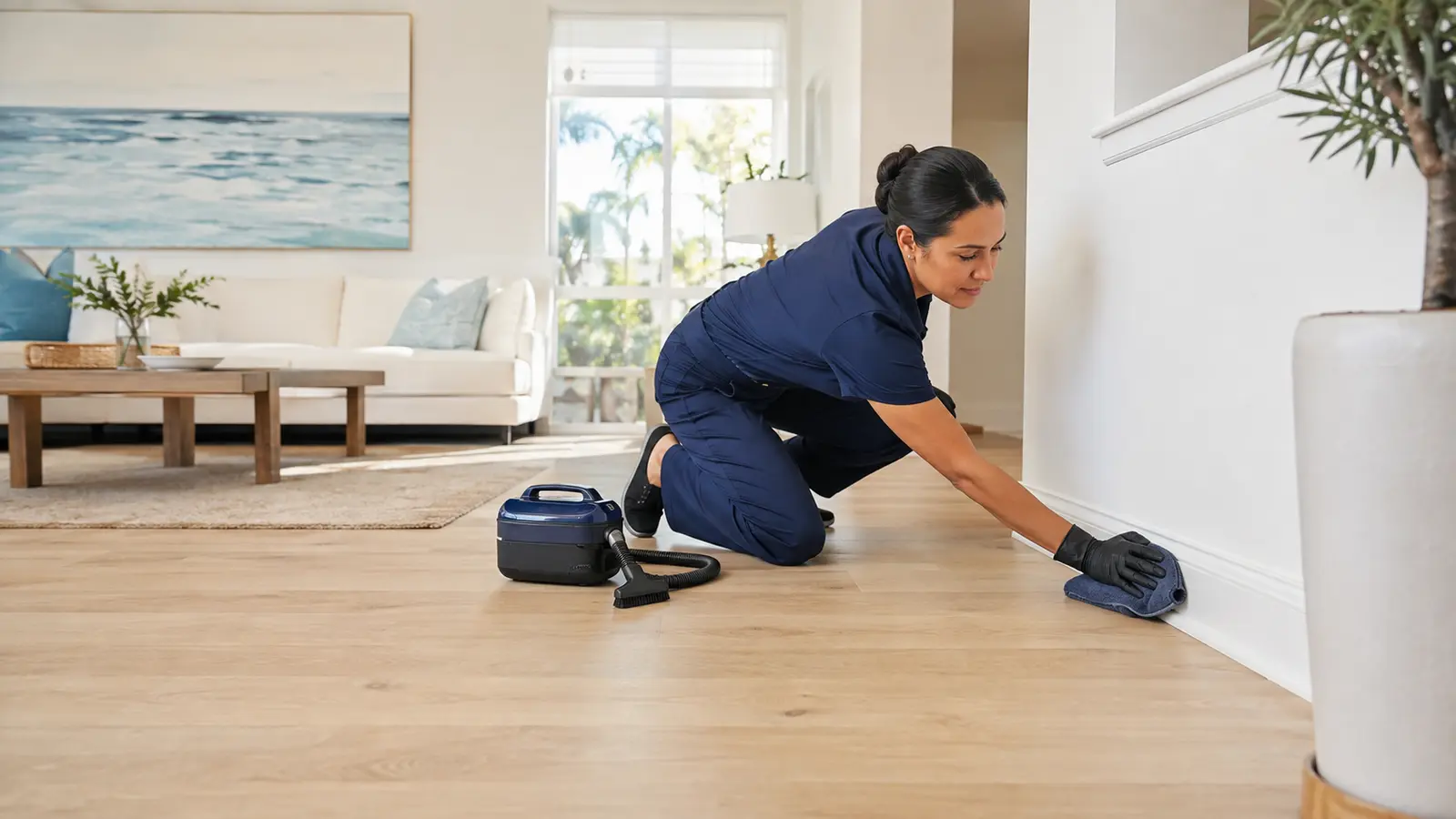
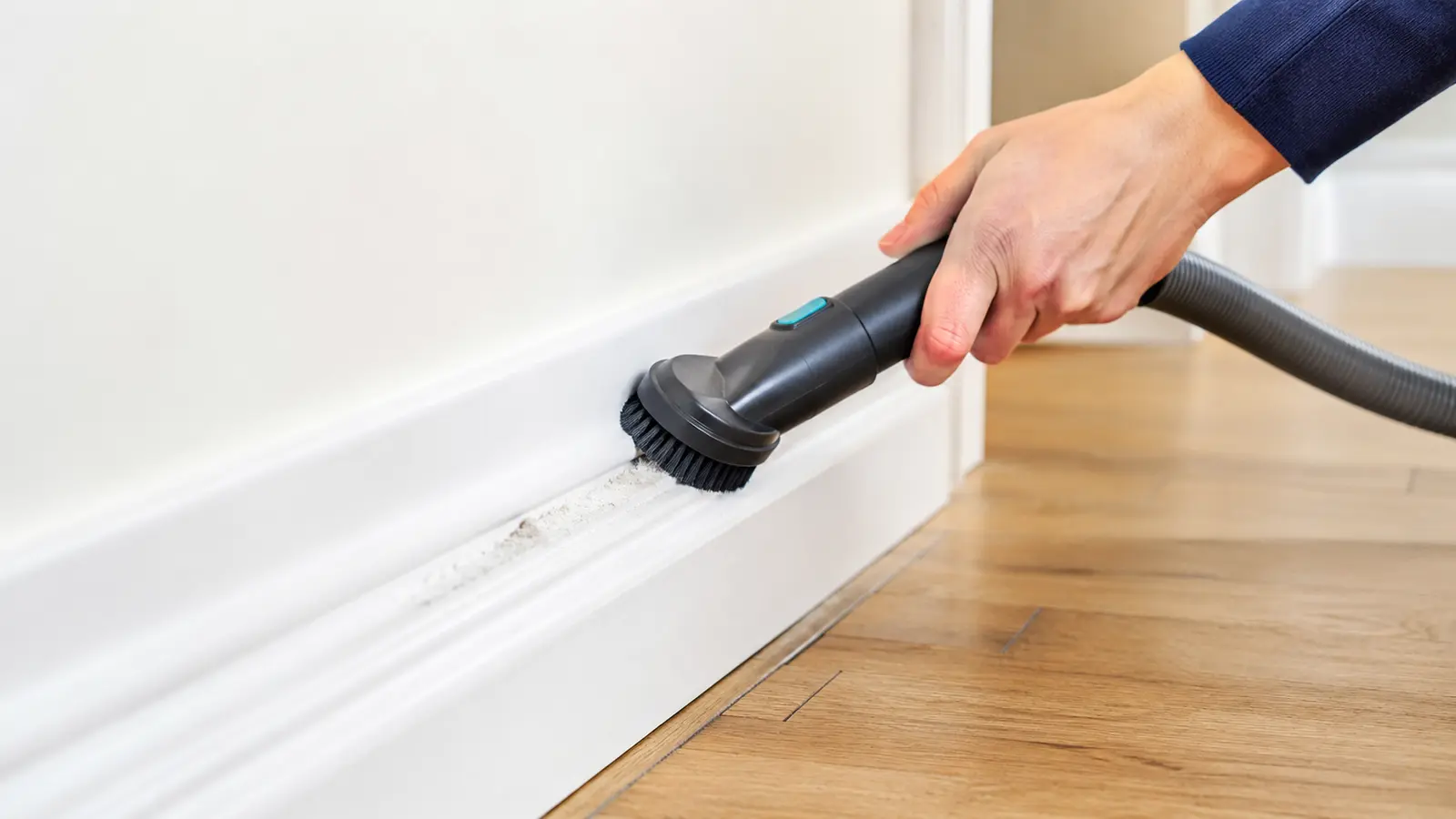
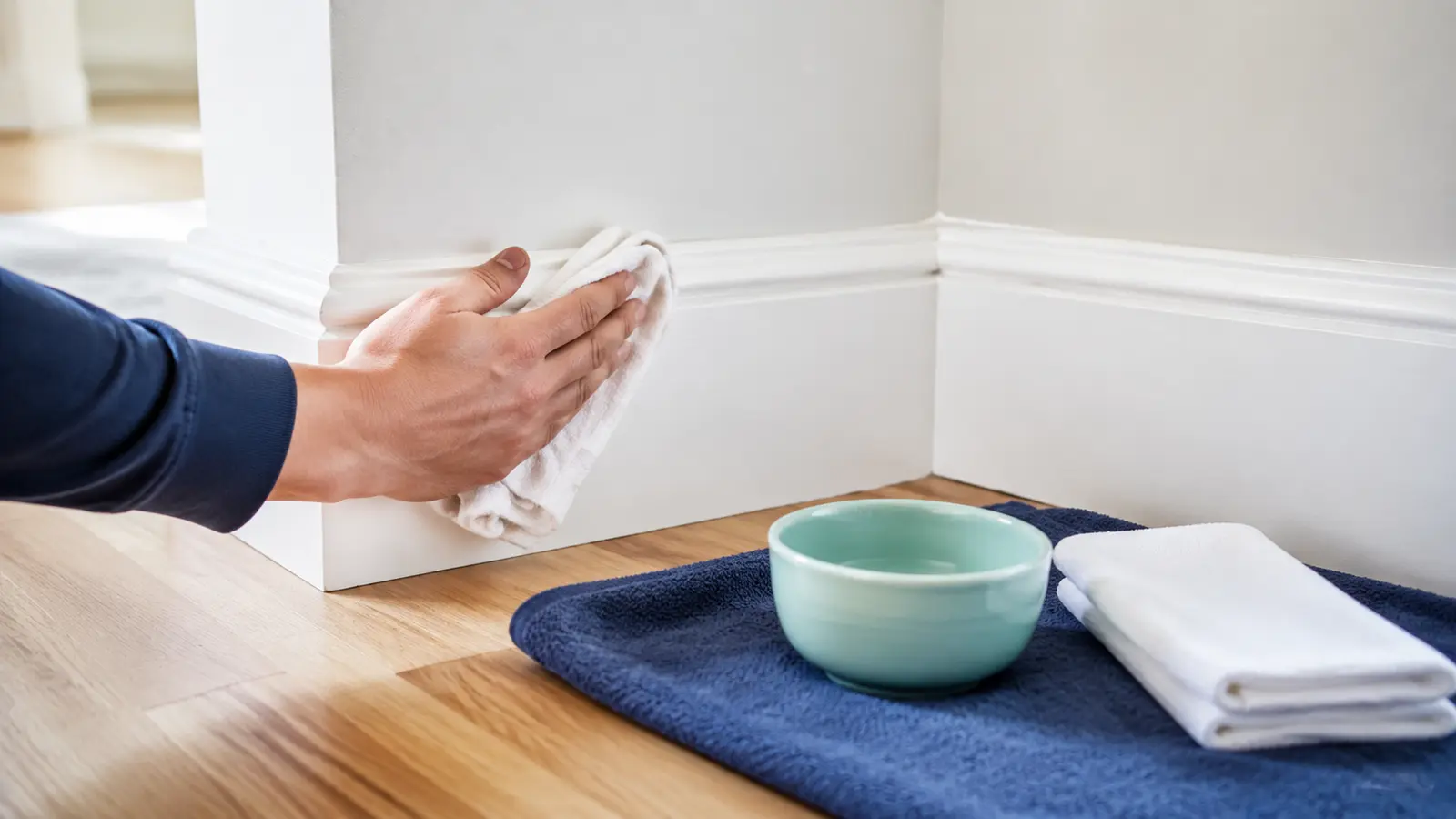
- Baseboards, vents, ceiling fans, and window sills
- Interior windows, mirrors, and sliding glass doors
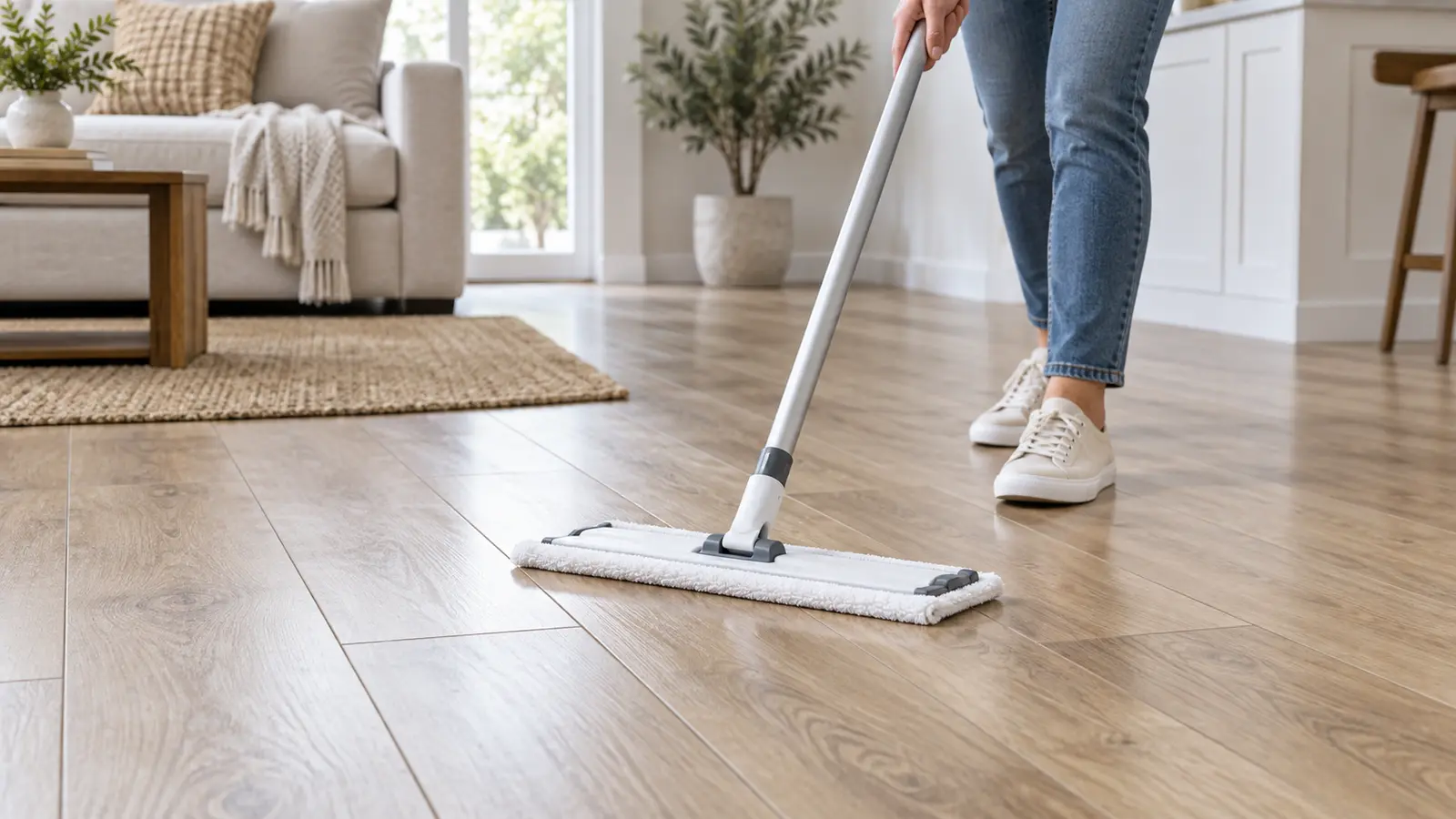
- Floors under furniture and along edges
- Laundry areas, closet floors, and shelves
- Pet areas, litter boxes, and any lingering odors
Odor deserves special attention. Heavy fragrance may seem like a quick fix, but it can make buyers wonder what it is covering. Instead, remove trash, wash fabrics, air out the home, clean drains, and address the actual source. For homes with pets, a deep clean of upholstery, rugs, floors, and pet spaces can be especially worthwhile.
Decluttering Is Part of Cleaning
A spotless room can still feel crowded when every surface is full. Before selling, think of decluttering as visual cleaning. It allows the features of the home to stand out and makes storage areas look more useful.
Pack away off-season clothes, excess countertop appliances, personal collections, and bulky furniture that interrupts the flow of a room. Closets and cabinets do not need to be empty, but they should not appear overfilled. Buyers often open them to assess storage, so leaving some breathing room helps.
Personal photos are a judgment call. A few are fine in a lived-in home, but a large display can make it harder for a buyer to picture the space as their own. The goal is not to remove every sign of life. It is to create a calm, neutral setting where the home takes center stage.
Know When a Standard Clean Is Not Enough
Routine cleaning is often enough for a well-maintained home that is already fairly tidy. A deeper clean may be the better choice when the property has been occupied for years, there are pets or smokers, the home has been vacant, or the seller is preparing for professional photography on a tight schedule.
Deep cleaning is also useful after repairs, painting, or staging work. Construction dust settles in places that are easy to miss, including vents, window tracks, baseboards, and cabinet interiors. Cleaning after the work is complete gives the home a finished appearance.
There are trade-offs. If your budget is limited, prioritize a detailed cleaning of the kitchen, bathrooms, floors, glass, and main living areas over lower-impact projects. On the other hand, if the home has strong finishes, beautiful views, or a premium listing position, a thorough whole-home clean can protect the presentation you have worked hard to create.
For sellers who need reliable help before a listing goes live, a professional cleaning team can handle the time-consuming details while you focus on the move. SRS Cleaning provides detail-oriented home cleaning for Orange County clients who want a property to feel fresh, orderly, and ready for its next chapter.
Keep It Show-Ready After the Deep Clean
The challenge is not always the initial cleaning. It is maintaining the result when showings begin. Keep a small, simple routine for each day the home may be viewed: make beds, put away dishes, wipe counters, empty trash, and do a quick check of bathrooms and floors.
Store a basket or bin for last-minute items such as chargers, mail, pet supplies, and toiletries. Before leaving for a showing, place those items in the bin and take it with you or tuck it into the car. This is much faster than trying to find a permanent home for everything with ten minutes’ notice.
If you have children or pets, plan for the reality of daily life rather than aiming for perfection. Keep cleaning supplies accessible, use washable throws to protect furniture, and schedule a more thorough refresh if the listing period extends. A practical plan is easier to maintain than an unrealistic one.
A clean home will not replace accurate pricing, thoughtful repairs, or strong marketing. It can, however, remove distractions and help buyers focus on what your property offers. Give yourself enough time before photos and showings, and choose the level of cleaning that lets you hand over the keys feeling confident and at ease.