Locally owned · Serving Orange County homes and businesses

Call (714) 439-8500

Category: Commercial Cleaning

  • Apartment Common Area Cleaning Checklist for Cleaner Shared Spaces

    Apartment Common Area Cleaning Checklist for Cleaner Shared Spaces

    An apartment common area cleaning checklist turns a large, easily interrupted job into a clear routine. Instead of relying on memory, it organizes what needs attention in entrances, lobbies, hallways, stairs, elevators, laundry rooms, restrooms, and amenity spaces—and separates frequent tasks from periodic detail work.

    The best schedule is not identical for every building. Foot traffic, weather, floor materials, pets, deliveries, and the number of shared facilities all affect how quickly an area needs attention. Use this guide as a practical starting point, then adjust the frequency when a walkthrough shows that a space becomes dirty sooner.

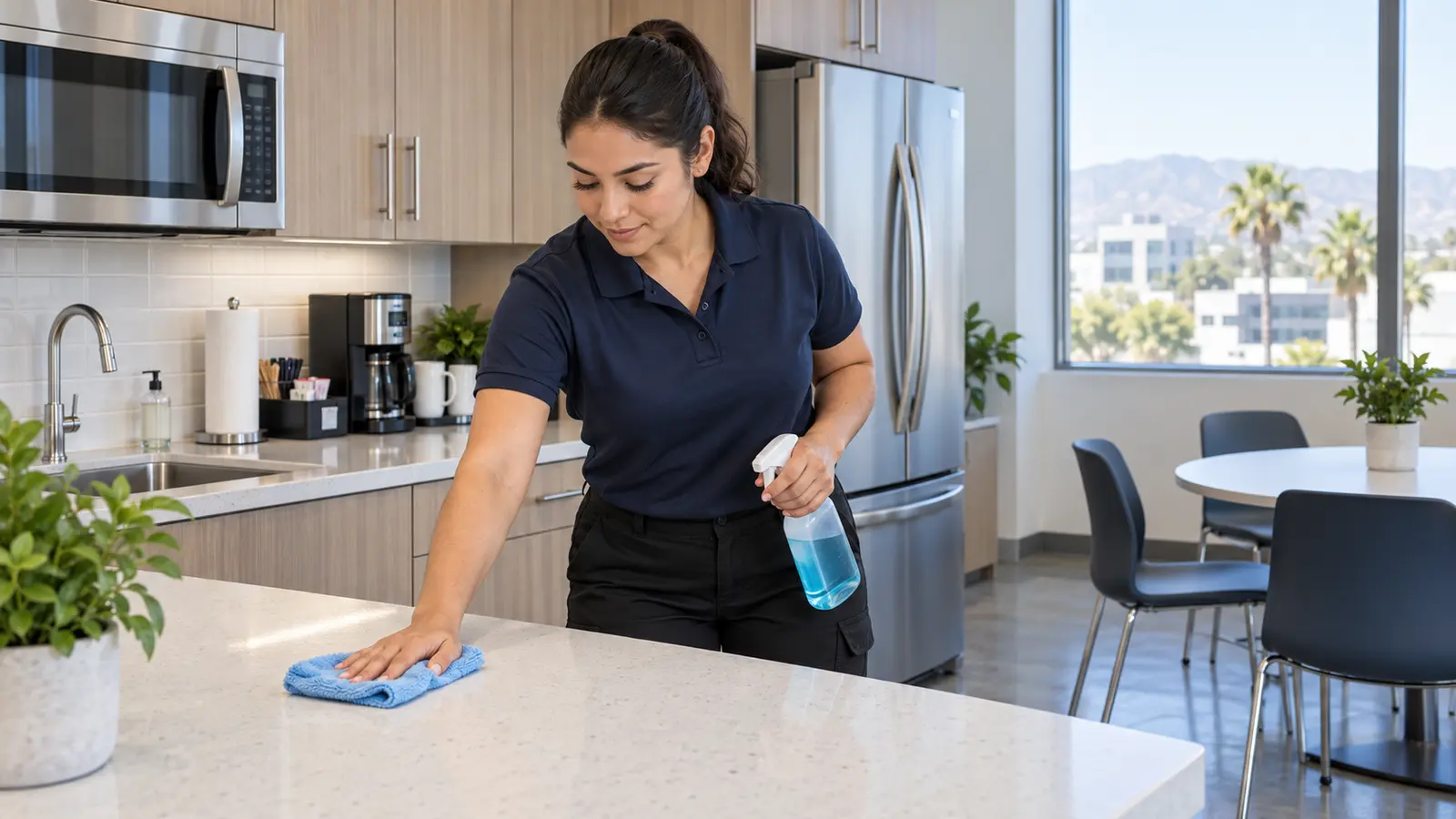
    Professional cleaner wiping the counter in a bright apartment common area lobby
    Daily entry and lobby checks keep visible soil from spreading into the building.

    How to Use This Checklist

    Start by dividing the property into zones. A useful zone map might include the entrance and lobby, interior corridors, stairs, elevator, mail area, laundry room, shared restrooms, fitness room, lounge, outdoor entry, and waste collection points. Give each zone a short task list and a realistic service frequency.

    Then identify the surfaces and equipment in each area. Flooring may require different methods for carpet, tile, resilient flooring, or sealed concrete. Glass, stainless steel, painted walls, electronic panels, upholstery, and natural stone also need compatible products and tools. Product labels and manufacturer care instructions should guide every surface decision.

    Use three simple frequency levels:

    • Daily or as needed: visible soil, litter, spills, trash, entry glass, floors, and frequently touched points.
    • Weekly: edges, ledges, low-touch surfaces, interior glass, spot cleaning, and detailed floor care.
    • Monthly or seasonal: high dusting, vents, wall washing, upholstery care, deep floor work, and weather-related adjustments.

    A checklist should also state who completed each task, when it was completed, and what needs follow-up. That final note matters: a cleaner can report a leaking dispenser, damaged floor transition, loose handrail, or burned-out light, even when repair falls outside ordinary cleaning.

    Daily Cleaning Tasks

    Daily work should focus first on safety, visible cleanliness, and high-traffic areas. Inspect the property before beginning so spills, broken glass, blocked walkways, and other urgent issues can be handled or reported promptly.

    Entrances, lobbies, and mail areas

    • Pick up litter and remove leaves, tracked-in soil, and loose debris.
    • Vacuum walk-off mats and straighten them so edges lie flat.
    • Dust-mop, vacuum, or damp-mop floors with a surface-compatible method.
    • Spot-clean entry glass, door glass, and fingerprints on frames.
    • Wipe door handles, push plates, railings, call buttons, and package-area counters.
    • Empty waste and recycling containers before they overflow; replace liners when needed.
    • Remove cobwebs or visible dust at eye level.

    Hallways, stairs, and elevators

    • Vacuum carpet or remove loose soil from hard floors.
    • Spot-clean spills and marks using the correct product for the surface.
    • Wipe stair handrails, elevator buttons, and door handles.
    • Polish elevator stainless steel only with a product approved for that finish.
    • Clean elevator tracks carefully without forcing liquid into mechanical components.
    • Check corners, baseboards, and stair landings for litter or accumulated grit.

    In wet weather, entrances may need repeated checks rather than one scheduled pass. Moisture and grit can spread beyond the mat quickly, so the checklist should include an “as needed” inspection window during rain.

    Weekly Cleaning Tasks

    Weekly work catches the details that are easy to miss during a fast daily route. It also prevents gradual buildup from becoming a larger restorative cleaning project.

    • Dust ledges, door frames, picture frames, directory signs, and accessible light fixtures.
    • Wipe baseboards and remove scuffs from washable walls where the finish permits.
    • Clean interior glass partitions and mirrors from edge to edge.
    • Vacuum carpet edges, under movable furniture, and around entry matting.
    • Damp-mop hard floors thoroughly, paying attention to corners and transitions.
    • Clean laundry-machine exteriors, folding counters, sinks, and reachable shelving.
    • Wipe amenity-room tables, chair backs, cabinet fronts, and appliance exteriors.
    • Inspect waste areas for residue, odors, and liner leaks.

    Move lightweight items only when it can be done safely, and return them to their original positions. Heavy furniture, mounted equipment, electrical panels, elevator machinery, and specialty fixtures should be left to qualified personnel unless the cleaning scope specifically covers them.

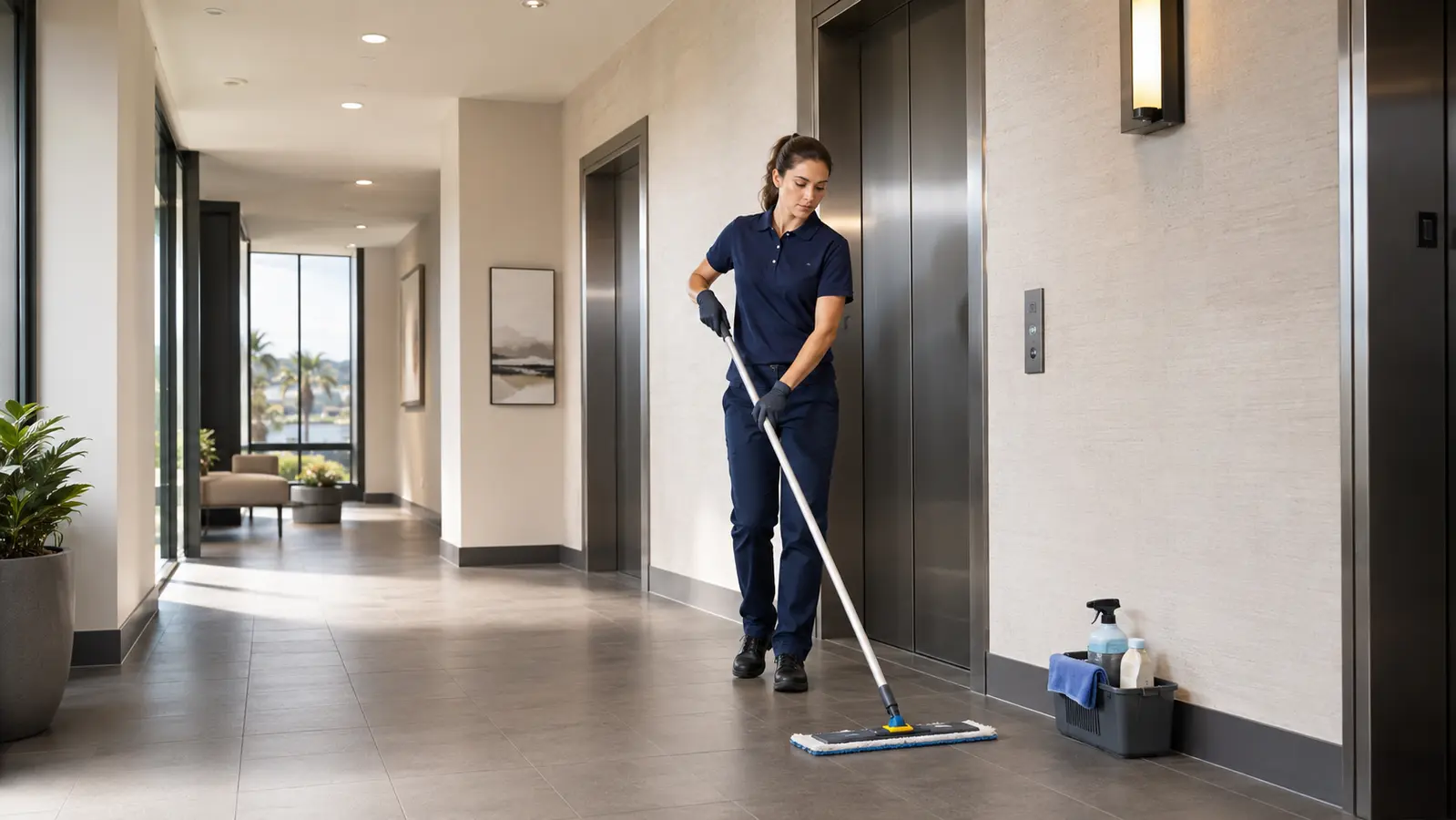
    Professional cleaner mopping an apartment hallway beside the elevators
    Hallways and elevator landings benefit from a daily floor check and weekly detail work.

    Monthly and Seasonal Tasks

    Periodic work should be scheduled before surfaces look neglected. A monthly rotation can spread detail tasks across the calendar instead of trying to complete all of them in one visit.

    • Dust high vents, grille covers, ceiling corners, and other reachable elevated surfaces with suitable equipment.
    • Clean doors, frames, kick plates, and wall areas that collect hand marks.
    • Detail baseboards, corners, and floor edges throughout the route.
    • Vacuum upholstered furniture using the manufacturer-approved attachment and method.
    • Deep-clean carpet or hard floors at a frequency appropriate to traffic and manufacturer guidance.
    • Wash waste and recycling containers when residue remains after liner changes.
    • Review supply storage, remove empty containers, and confirm labels remain readable.
    • Inspect cleaning tools and replace worn mop heads, cloths, pads, or filters.

    Seasonal planning should account for local conditions. Dry periods can increase dust at entrances, while rainy days increase moisture and tracked-in soil. Outdoor pollen, landscaping debris, and holiday deliveries can also change the workload. The practical response is to adjust inspections and floor care—not to assume one fixed schedule will work all year.

    Room-by-Room Common Area Checklist

    This condensed table can be copied into a site-specific worksheet. Frequencies are planning suggestions, not universal rules.

    Area Core tasks Starting frequency
    Entrance and lobby Litter, mats, glass, floors, doors, counters, waste Daily and as needed
    Hallways Floors, spots, ledges, baseboards, wall marks Daily floors; weekly details
    Stairs Treads, landings, corners, rails, door handles Daily or based on traffic
    Elevator Floor, buttons, doors, mirrors, tracks, stainless steel Daily; detail weekly
    Mail and package area Counter, floor, touchpoints, litter, waste Daily
    Laundry room Machine exteriors, counters, sink, floor, lint, waste Daily check; weekly detail
    Shared restroom Fixtures, dispensers, mirrors, partitions, floor, waste Daily or more often by use
    Fitness or lounge area Floors, furniture, touchpoints, mirrors, waste Daily; equipment per maker guidance
    Waste area Loose debris, spills, residue, containers, odors Daily check

    For a broader commercial routine, compare this list with the SRS commercial cleaning checklist. The overlap makes it easier to maintain one consistent standard while adding property-specific details.

    Safe Product and Disinfecting Practices

    Cleaning, sanitizing, and disinfecting are different processes. The CDC advises cleaning surfaces before sanitizing or disinfecting, because dirt can reduce how effectively those later steps work. Routine cleaning may be sufficient in many situations; disinfecting can be added when the risk, setting, or product protocol calls for it.

    When a disinfectant is used, follow the product label exactly. The EPA explains that a disinfectant’s contact time is the period the surface must remain visibly wet for the product to work as directed. Do not guess a contact time, substitute an unapproved surface, or create a homemade dilution.

    Never mix cleaning products. Poison Control warns that mixing cleaners can produce dangerous fumes and recommends following label directions and ventilating the work area. Keep products in their original labeled containers, close them after use, and store them away from food, heat, and unauthorized access.

    For workplace chemical handling, the Safety Data Sheet identifies hazards, protective measures, handling, and storage precautions. Gloves, eye protection, ventilation, or other controls should follow the label and SDS rather than a generic rule. The EPA Safer Choice product search can also help identify cleaners that meet the program’s ingredient and performance criteria; the mark does not replace reading the product directions.

    Use separate, clearly identified cloths or tools where cross-contamination is a concern, especially between restrooms, food-contact areas, and general surfaces. Launder or replace reusable materials according to their instructions, and do not return a soiled cloth to a clean-solution container.

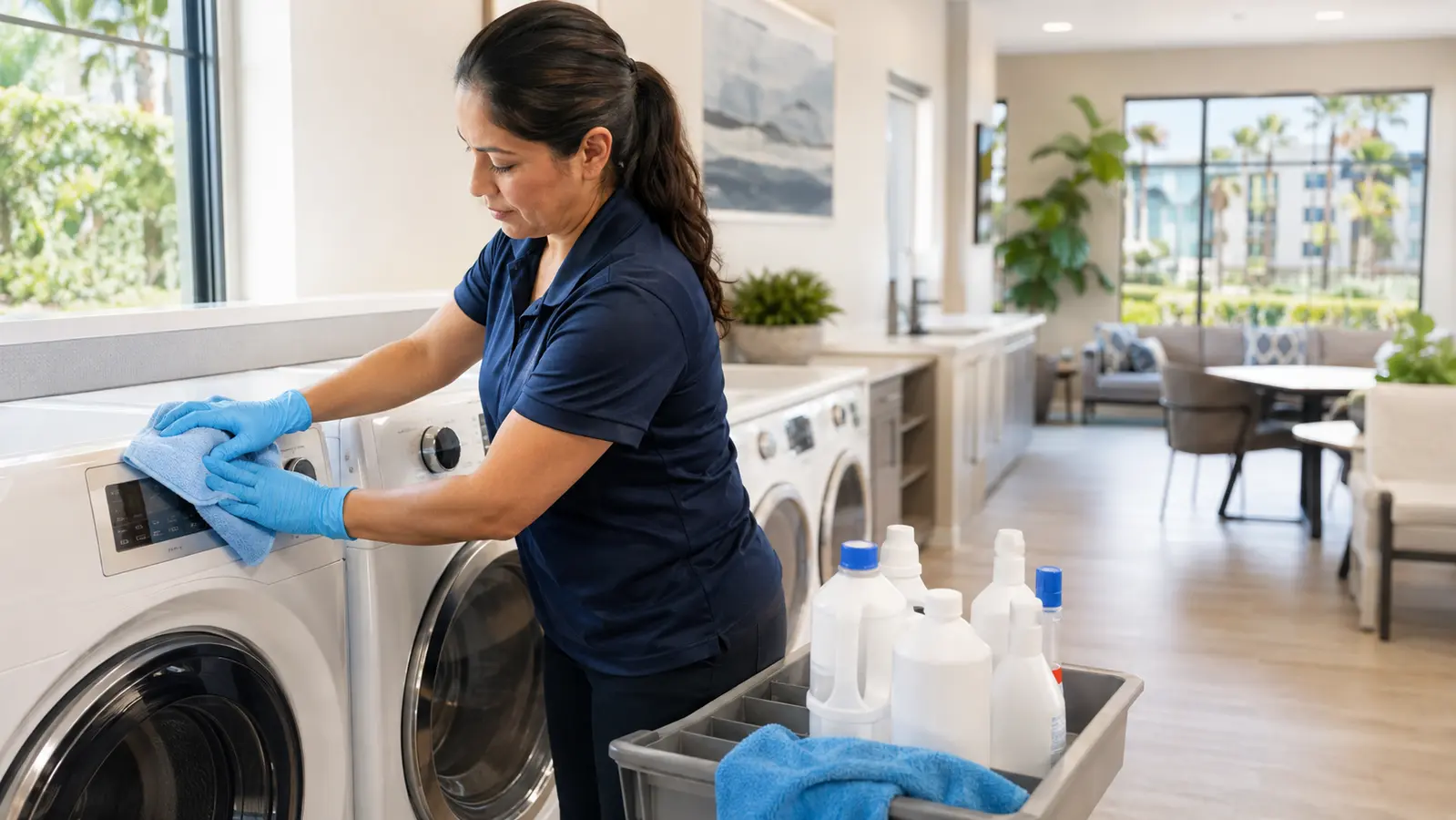
    Gloved professional cleaner wiping a washing machine in a shared apartment laundry room
    Product labels and surface instructions should guide cleaning in shared laundry areas.

    Quality Control and Documentation

    A completed checkbox confirms that a task was attempted; a short inspection confirms the result. End each route with a consistent walkthrough from the main entrance through every zone. View glass from more than one angle, check corners and edges, and look behind doors where debris tends to collect.

    A simple quality-control record can include:

    • Date, time, and name or initials of the person completing the route.
    • Tasks completed and areas that were inaccessible.
    • Spills, damage, supply shortages, or maintenance concerns reported.
    • Follow-up owner and target completion date.
    • Periodic supervisor or second-person inspection.

    Look for patterns over time. If the same hallway needs repeated spot cleaning by midday, increase its check frequency. If a monthly task rarely shows buildup, it may remain monthly while attention shifts to a busier zone. A checklist is most useful when it evolves from actual conditions.

    For additional planning ideas, the SRS guide to office hygiene practices explains how shared touchpoints and consistent routines fit into a wider cleaning plan.

    Common Area Cleaning FAQ

    How often should apartment common areas be cleaned?

    High-traffic floors, entrances, waste points, and frequently touched surfaces usually need daily checks, while detail work can follow weekly or monthly rotations. The right schedule depends on traffic, weather, materials, and how quickly visible soil returns.

    Should every high-touch surface be disinfected every day?

    Not automatically. Clean first, then use a suitable disinfectant when the setting or situation calls for it. Follow the label’s approved surfaces, application method, contact time, ventilation, and safety directions.

    What commonly gets missed?

    Elevator tracks, stair corners, the underside of handrails, door-frame tops, baseboard edges, package counters, laundry-machine controls, and the space around waste containers are frequent omissions. Adding them by name makes them easier to verify.

    Can one checklist cover every building?

    No single checklist captures every material, amenity, and traffic pattern. Start with the core zones, then add manufacturer instructions, access notes, site-specific priorities, and realistic frequencies.

    Keep Shared Spaces Ready

    A dependable apartment common area cleaning checklist combines daily visibility tasks, weekly detail work, periodic floor and surface care, safe product practices, and a final walkthrough. The result is a routine that is easier to perform, inspect, and improve.

    If maintaining those shared spaces requires a consistent professional schedule, review SRS Cleaning’s commercial and office cleaning services and confirmed Orange County service areas. A tailored scope can match the building’s traffic, surfaces, and priorities. When the fit is right, request an office cleaning quote to discuss the details.

  • Commercial Cleaning Checklist for Small Orange County Workplaces

    Commercial Cleaning Checklist for Small Orange County Workplaces

    A practical commercial cleaning checklist keeps shared spaces easier to use, easier to maintain, and more consistent from week to week. The best checklist does not try to disinfect everything every day or turn cleaning into a complicated system. It simply puts the right tasks in the right order: remove debris, clean visible soil, reset high-use areas, handle restrooms and break areas carefully, and schedule deeper work before buildup becomes obvious.

    This guide is written for everyday workplace environments such as offices, reception areas, shared kitchens, restrooms, conference rooms, and light commercial spaces. It also explains when cleaning, sanitizing, and disinfecting are different tasks, because product misuse can create safety problems. For local help with recurring service or a deeper reset, SRS Cleaning Services provides Office Cleaning, cleaning services, and quote support for Orange County workplaces.

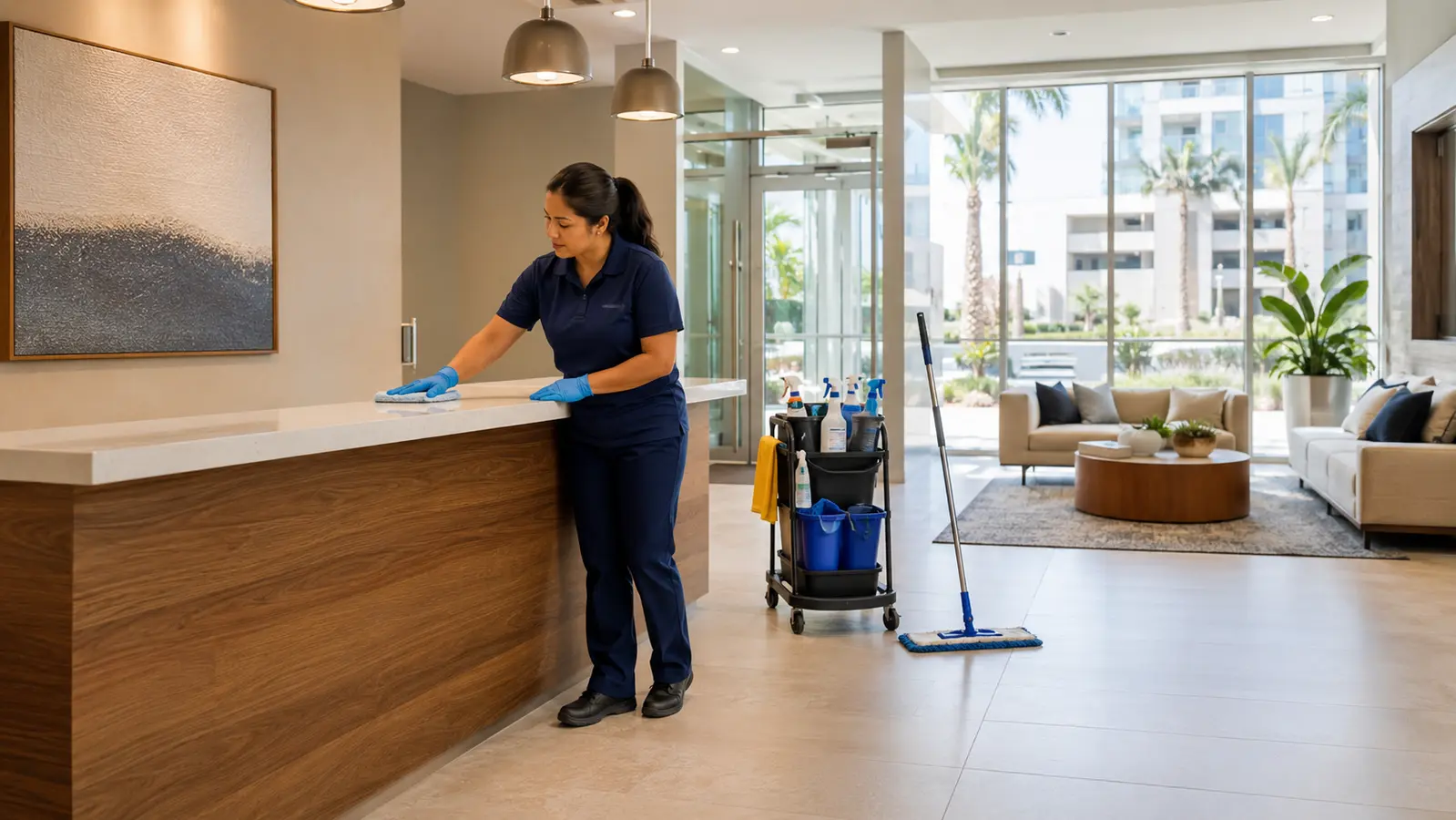
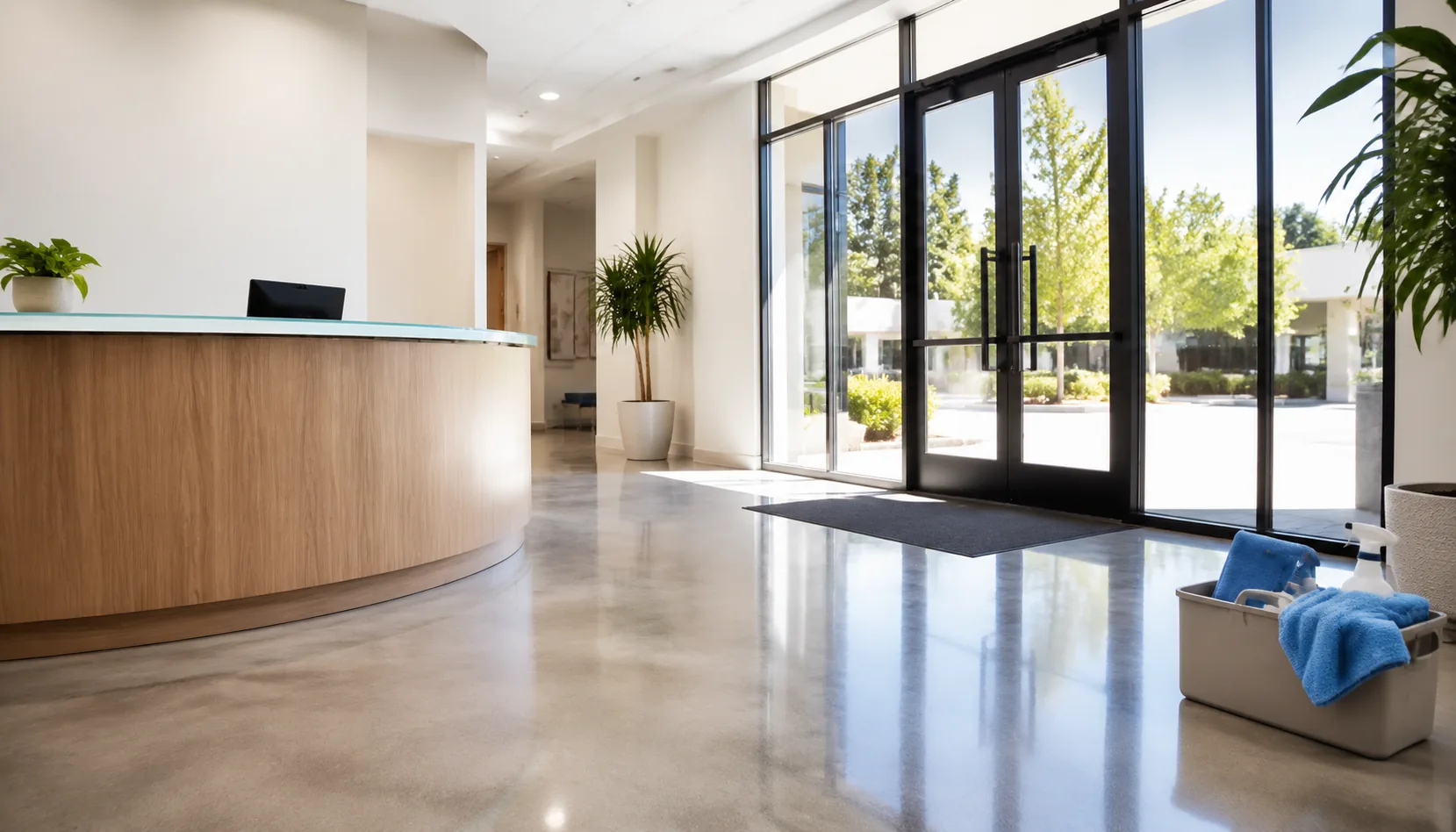
    Commercial lobby cleaning checklist setup with supplies and glass entry doors.

    What a commercial cleaning checklist should cover

    A useful checklist starts with zones, not random tasks. Most workplaces have an entrance or lobby, work areas, meeting rooms, restrooms, a break room or kitchenette, floors, trash areas, and supply storage. Each zone should have a basic reset standard and a frequency. For example, the lobby may need daily floor attention and glass touch-up, while high shelves or vents may only need periodic dusting.

    The checklist should also separate visible presentation from health-related cleaning. Presentation tasks include trash removal, dusting, glass, floors, and clutter control. Health-related tasks include cleaning high-touch surfaces, handling restroom fixtures, and using sanitizers or disinfectants only where they are appropriate and label directions can be followed.

    Cleaning, sanitizing, and disinfecting

    Cleaning removes most dirt, germs, and impurities from surfaces with soap, water, and scrubbing, according to the CDC (CDC cleaning and disinfecting guidance). Sanitizing reduces germs to levels considered safe by public-health codes or regulations, and disinfecting uses chemicals to kill many remaining germs on surfaces; the CDC notes that surfaces should be cleaned before sanitizing or disinfecting (CDC definitions of cleaning, sanitizing, and disinfecting).

    That distinction matters in commercial spaces because disinfecting dirty surfaces is not a shortcut for cleaning. If a surface has dust, food residue, restroom soil, or visible grime, clean first. Then use a sanitizer or disinfectant only when the surface, product label, ventilation, and required wet contact time make sense. The CDC’s facility guidance also recommends regular cleaning of high-touch surfaces and using products appropriate for the surface being cleaned (CDC facility cleaning guidance).

    Daily commercial cleaning tasks

    Daily cleaning should keep the workplace presentable and prevent easy-to-control buildup. Start at the entrance. Remove trash, straighten visible areas, spot-clean glass doors, wipe reception counters, clean door handles, and vacuum or mop high-traffic flooring. Continue into shared work areas by removing debris, wiping accessible horizontal surfaces, emptying trash and recycling, and cleaning touch points such as switches, handles, railings, shared phones, and conference-room tables.

    • Empty trash and replace liners where needed.
    • Clean entry glass, door handles, counters, and waiting-area surfaces.
    • Wipe shared tables, conference surfaces, and exposed high-touch points.
    • Vacuum carpet traffic lanes and mop hard floors with a surface-appropriate method.
    • Reset chairs, visible clutter, and shared supply areas.
    • Check odors, spills, overflowing bins, and restroom supply levels.

    For more workplace-specific planning, compare this broader checklist with the SRS office cleaning checklist and the guide to janitorial service vs. office cleaning. Shared residential-building spaces have their own traffic patterns, so the apartment common area cleaning checklist adds focused tasks for lobbies, hallways, elevators, laundry rooms, and waste areas.

    Copy-this daily reset

    1. Walk the entry and remove anything that does not belong.
    2. Empty trash before wiping surfaces so debris does not spread.
    3. Clean high-touch points before floors.
    4. Check restrooms and break areas for supplies, odors, spills, and visible residue.
    5. Finish with floors, then inspect from the entrance as if arriving for the first time.

    Restroom and break area checklist

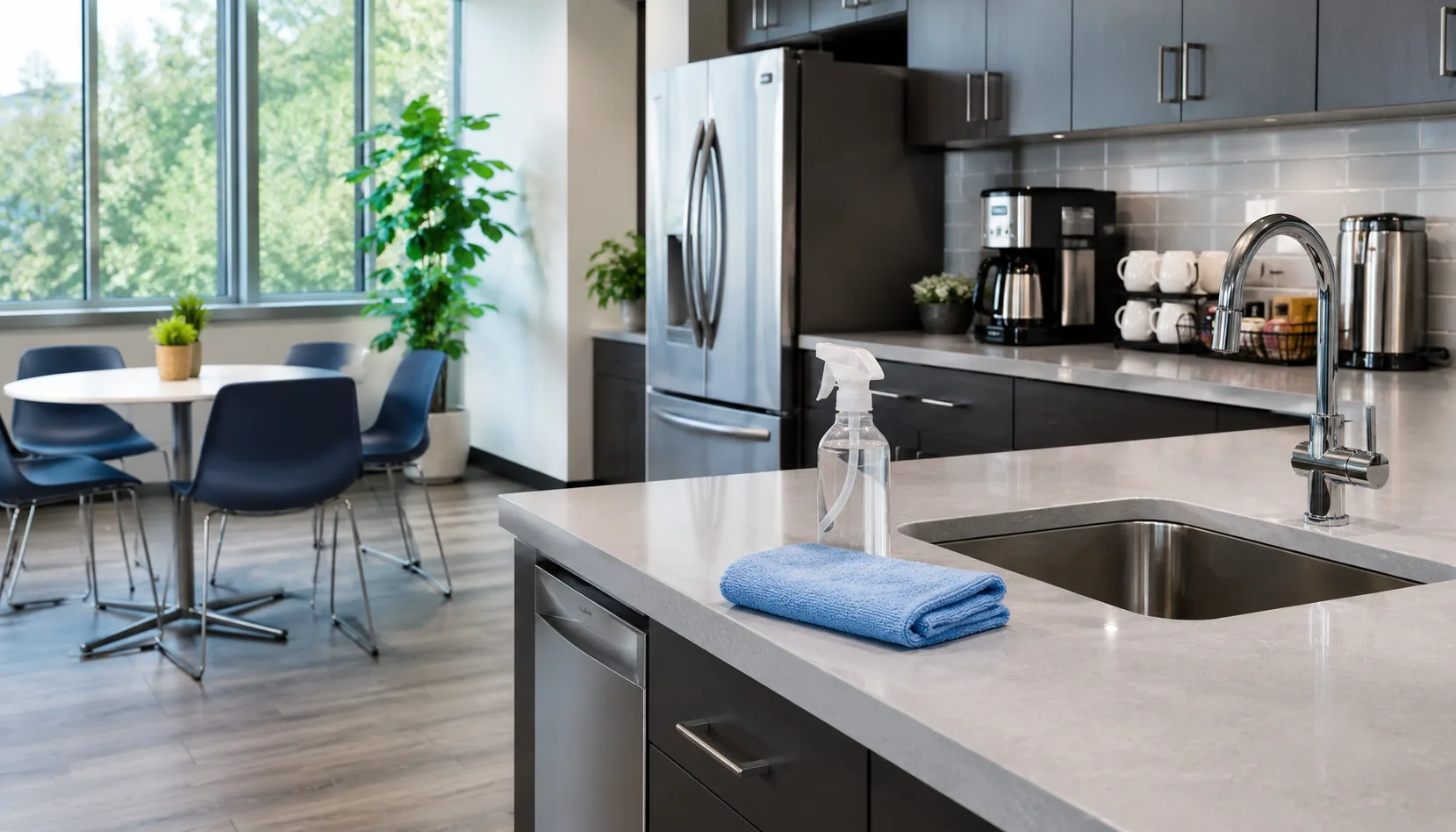
    Clean commercial break room prepared as part of a workplace cleaning checklist.

    Restrooms and break areas need more detail because moisture, food, trash, and frequent hand contact can create odors and visible residue quickly. In restrooms, clean sinks, faucets, counters, toilets, partitions, mirrors, dispensers, door handles, light switches, and floors. Refill soap, paper products, and liners. In break rooms, clean counters, sink areas, table surfaces, chair backs, appliance handles, cabinet pulls, and trash areas.

    Use separate tools for restroom and food-area cleaning to avoid cross-contamination. Keep cloths, brushes, and mop heads organized by zone or color when possible. If sanitizing or disinfecting is part of the task, follow the product label rather than guessing the contact time. Labels matter because a product may need the surface to remain wet for a specific period before it can do what the label claims.

    Weekly and monthly deep cleaning

    Weekly tasks prevent the slow buildup that daily cleaning can miss. Dust vents, baseboards, window ledges, door frames, chair bases, cabinet faces, and lower wall edges. Detail conference rooms, clean interior glass, vacuum edges, mop behind movable items, and inspect corners where debris collects. Monthly tasks may include high dusting, machine floor care, detailed wall-spot cleaning, upholstery vacuuming, and deeper restroom detail.

    The exact schedule depends on traffic, flooring, weather, food use, restroom volume, and how visible the space is to visitors. A small low-traffic office may need lighter weekly detail than a busy medical, retail, or customer-facing environment. The useful standard is simple: if a task is repeatedly noticeable by the time it is cleaned, move it to a more frequent schedule.

    Safe product use and supplies

    Workplace cleaning products should be selected and stored with safety in mind. OSHA explains that employers with hazardous chemicals in the workplace must have labels, safety data sheets, and training for exposed workers (OSHA Hazard Communication overview). OSHA’s Safety Data Sheet guidance explains that SDS documents include chemical properties, hazards, protective measures, and safe handling information (OSHA Safety Data Sheet brief).

    Never mix cleaning chemicals. The CDC warns that mixing bleach or disinfectants with other cleaners can release dangerous vapors (CDC bleach safety guidance). For lower-hazard product selection, the EPA Safer Choice product search helps identify products that meet the Safer Choice Standard (EPA Safer Choice product search). Safer Choice does not remove the need to follow labels, but it is a useful filter when comparing cleaning-product options.

    How to build a cleaning frequency plan

    Detailed commercial floor cleaning checklist scene with supplies and baseboards.

    Build the plan around use, not guesswork. List every zone, note what gets touched most, decide what must be clean before each workday, and separate daily, weekly, and monthly tasks. Then review the checklist after two weeks. If restrooms run out of supplies, floors look dull midweek, or kitchen trash creates odors, the frequency is too light. If areas look consistently clean with no rushed catch-up work, the schedule is closer to right.

    Area Typical daily focus Typical periodic focus
    Entry and lobby Trash, glass, handles, floors Baseboards, vents, detailed edges
    Work areas Trash, touch points, visible surfaces Chairs, ledges, detailed dusting
    Restrooms Fixtures, mirrors, supplies, floors Partitions, tile edges, odor sources
    Break room Counters, sink, tables, trash Cabinet faces, appliance exteriors, corners

    When professional commercial cleaning helps

    Professional cleaning helps when the checklist needs to be reliable, documented, and consistent. It is also useful when restrooms, floors, kitchens, glass, and shared areas need regular attention without interrupting the workday. SRS Cleaning Services supports Orange County workplaces with commercial and office cleaning service that can be adjusted around the space, traffic level, and cleaning priorities.

    If the space needs a one-time reset before starting a recurring schedule, ask for the scope to include detailed dusting, restrooms, break areas, high-touch points, floors, and visible buildup. If ongoing service is the goal, start with the zones that affect daily comfort most and adjust after the first few visits. You can also review the SRS Office Cleaning page, the office cleaning quote page, and the main Orange County service area page.

    Commercial cleaning checklist FAQ

    How often should a commercial space be cleaned?

    High-use areas usually need daily attention, while detailed dusting, edge cleaning, vents, and other deeper tasks may be weekly or monthly depending on traffic. The right frequency is the one that prevents visible buildup before it becomes distracting.

    Is commercial cleaning the same as disinfecting?

    No. Cleaning removes dirt, germs, and impurities. Disinfecting uses chemicals to kill many remaining germs after cleaning. Disinfecting can be useful in selected areas, but it should follow the product label and should not replace basic cleaning.

    What should be cleaned first?

    Start by removing trash and obvious debris, then dust or wipe upper surfaces, clean high-touch points, handle restrooms and break areas, and finish with floors. Cleaning floors last prevents extra dust or debris from landing on newly finished surfaces.

    What tags or categories fit this kind of checklist?

    For the SRS blog, this topic belongs under Commercial Cleaning because it focuses on workplace cleaning systems. Useful supporting tags include Office Cleaning, Janitorial Service, Cleaning Checklist, and Orange County.

    A strong commercial cleaning checklist makes the work easier to repeat and easier to inspect. Keep the plan simple, clean before sanitizing or disinfecting, follow product labels, schedule deeper detail before buildup becomes obvious, and adjust the frequency based on how the space is actually used. To plan a commercial cleaning routine in Orange County, review SRS Office Cleaning or start with the office cleaning quote page.

  • Office Cleaning Checklist for a Healthier, Client-Ready Workplace

    Office Cleaning Checklist for a Healthier, Client-Ready Workplace

    A good office cleaning checklist makes shared spaces easier to manage because it turns a vague goal, “keep the office clean,” into visible tasks that can be repeated, checked, and improved. The best checklist is not complicated. It separates daily touch points from weekly detail work, names the rooms that need attention, and makes room for deeper periodic cleaning when traffic, weather, or special events create extra mess.

    This guide lays out a practical office cleaning checklist for desks, restrooms, break rooms, floors, meeting rooms, entry areas, and high-touch surfaces. It also explains the difference between cleaning and disinfecting, with links to current government guidance where safety or product use matters.

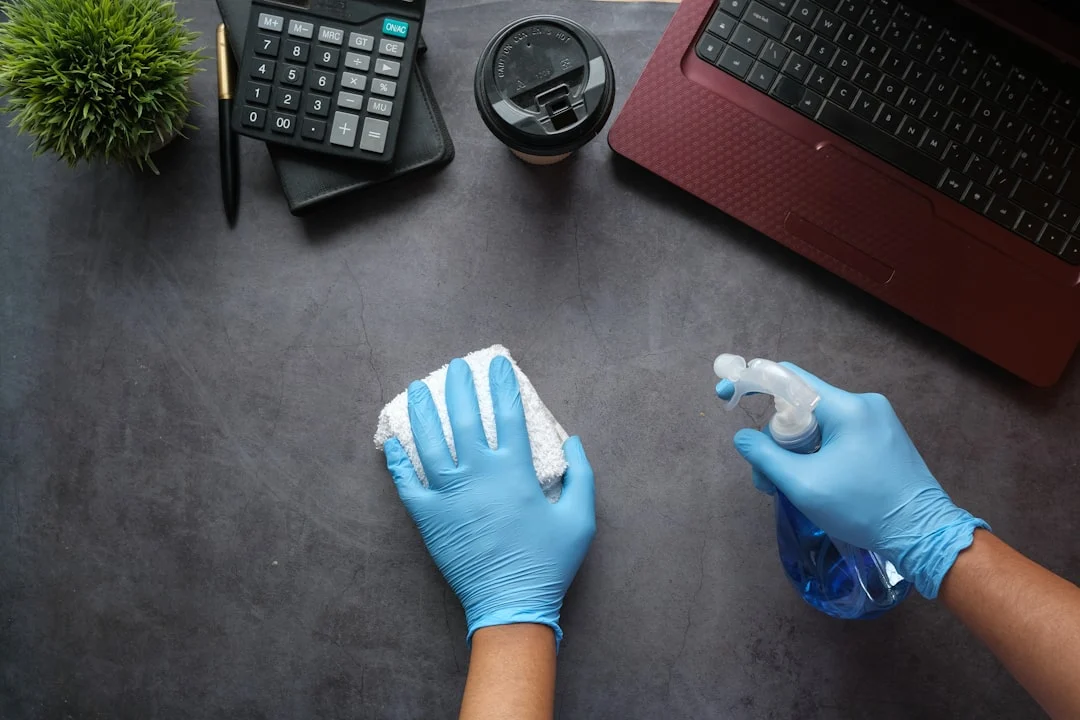
    Gloved hands cleaning an office desk with a spray bottle and cloth
    Photo by Towfiqu barbhuiya on Unsplash

    How to Use This Office Cleaning Checklist

    Start by matching tasks to how the space is actually used. A quiet administrative suite will not need the same routine as a medical office, sales office, coworking space, or busy reception area. The checklist below is a baseline, then the frequency can be adjusted based on foot traffic, spills, shared kitchens, restrooms, pets, children, deliveries, and the amount of dust or outdoor debris that gets tracked inside.

    Office cleaning should also respect basic workplace sanitation expectations. OSHA’s sanitation standard says workplaces must be kept clean to the extent the nature of the work allows, and it addresses sanitary washing facilities, waste disposal, and clean, dry walking surfaces where practical in general workplace settings. The details matter because a checklist is only useful when it supports a safer, more comfortable environment, not just a better-looking one. See OSHA’s workplace sanitation standard for the regulatory language.

    Use the daily tasks to keep the office presentable and hygienic, the weekly tasks to prevent buildup, and the monthly tasks to handle details that are easy to miss. When the work becomes too time-consuming to handle consistently, SRS Cleaning’s Office Cleaning service can help keep the routine steady across Orange County. For service-area planning, the locations page is the safest place to check current coverage before relying on a city-specific page.

    Frequency Main Goal Best Tasks
    Daily Keep high-use areas ready Trash, restrooms, break room counters, entry glass, visible floors, high-touch surfaces
    Weekly Prevent buildup Dusting, detailed floor edges, conference rooms, appliance exteriors, interior glass, supply checks
    Monthly Refresh overlooked details Vents, baseboards, chair rails, blinds, accessible window tracks, appliance interiors if included

    Daily Office Cleaning Checklist

    Daily office cleaning focuses on the areas people see, touch, and use the most. These tasks help prevent trash buildup, visible soil, odors, crumbs, and sticky surfaces from carrying into the next workday.

    • Empty trash and recycling bins, then replace liners where needed.
    • Wipe reception counters, front desks, conference tables, shared counters, and break room surfaces.
    • Clean visible fingerprints from glass doors, interior entry glass, and frequently touched panels.
    • Vacuum high-traffic carpet paths and spot clean obvious debris.
    • Sweep or mop hard floors in entry areas, kitchens, restrooms, and walkways.
    • Clean restroom sinks, counters, mirrors, toilets, fixtures, dispensers, and floors.
    • Restock soap, paper towels, toilet tissue, and hand sanitizer where supplied.
    • Clean break room sinks, counters, appliance handles, tables, and exterior microwave surfaces.
    • Remove food waste from common areas to reduce odors.
    • Wipe high-touch surfaces such as door handles, light switches, shared controls, railings, and cabinet pulls.

    Daily cleaning does not have to mean every detail receives the same amount of time every day. The point is to keep the office from drifting into visible neglect. For a small office, the daily routine may be short. For a larger workplace, separating tasks by room or zone can make the checklist easier to complete without rushing.

    Weekly Office Cleaning Checklist

    Weekly office cleaning picks up the details that are noticeable over time but not always urgent every day. These tasks help the office feel cared for when someone looks beyond the main walkway or reception desk.

    • Dust desks, open shelving, window ledges, file cabinets, baseboards, and low partitions.
    • Vacuum upholstered chairs and waiting room seating where fabric allows.
    • Detail conference rooms, including chair bases, table edges, presentation remotes, and cabinet fronts.
    • Clean appliance exteriors, refrigerator handles, coffee stations, and cabinet faces in break rooms.
    • Wipe interior glass partitions and smudged office windows within safe reach.
    • Mop hard floors more thoroughly, including corners and edges.
    • Spot clean walls, doors, kick plates, and switch plates.
    • Check supply closets for low paper products, liners, soap, and approved cleaning products.
    • Remove cobwebs and dust from visible ceiling corners where safely reachable.

    A weekly checklist is also a good place to note recurring issues. If one restroom always runs out of paper towels, one entrance constantly tracks in grit, or one break room surface keeps getting sticky, the cleaning schedule may need a small adjustment instead of a bigger overhaul.

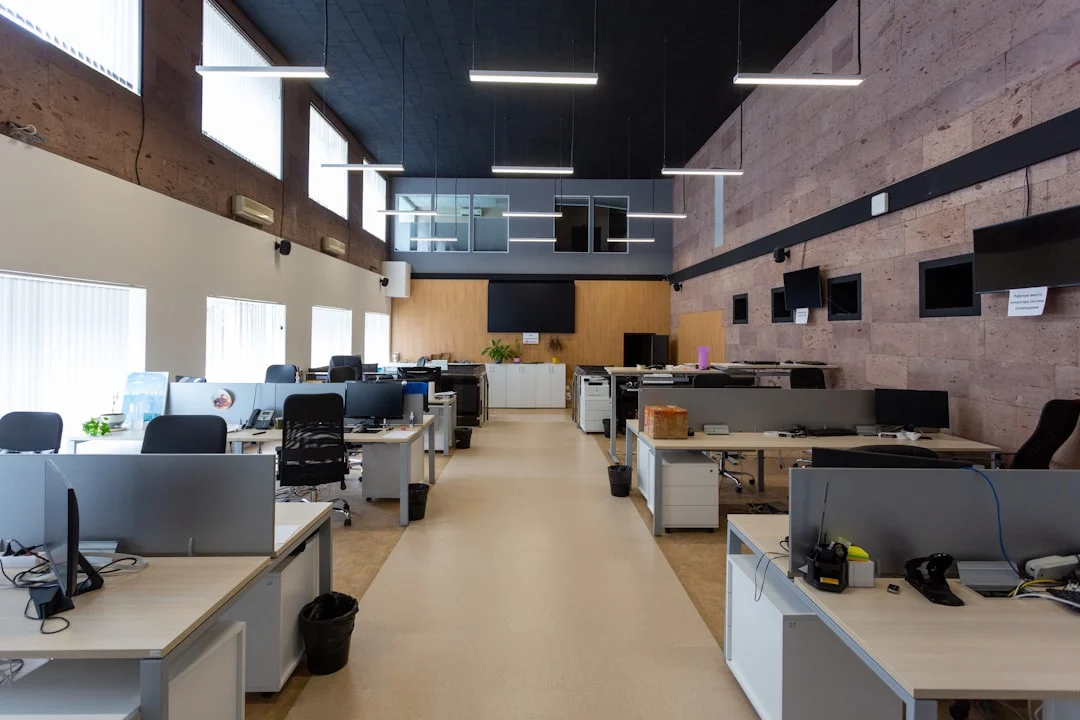
    Clean open plan office with rows of desks and computers
    Photo by Petr on Unsplash

    Monthly and Periodic Office Cleaning Checklist

    Monthly and periodic tasks protect the details that affect long-term appearance. These tasks are especially helpful before inspections, busy seasons, client visits, staff events, or lease transitions.

    • Dust vents, higher ledges, ceiling fan blades, light fixtures, and upper shelves where safely reachable.
    • Detail baseboards, door frames, chair rails, and corners.
    • Clean behind movable furniture where access is safe and practical.
    • Schedule carpet spot treatment or extraction when traffic lanes look worn or stained.
    • Deep clean break room appliances, including refrigerator interiors if that task is part of the agreed scope.
    • Clean interior windows, tracks, and blinds where accessible and included.
    • Review restroom grout, partition bases, floor edges, and odor sources.
    • Refresh the checklist based on complaints, supply use, seasonal dust, and office traffic.

    Some periodic work may require special equipment, safe access, or a separate scope. High windows, exterior pressure washing, biohazard conditions, pest issues, water damage, mold, and hazardous materials should not be handled as ordinary office cleaning tasks. Those situations need the right qualified professional and the appropriate safety guidance.

    Room-by-Room Office Cleaning Tasks

    A room-by-room office cleaning checklist is easier to follow than one long mixed list. It also helps prevent common misses, such as wiping a conference table but forgetting the chair arms, or cleaning a restroom sink but overlooking the dispenser area.

    Reception and Entry Areas

    Clean doors, handles, front counters, waiting chairs, floors, glass, sign-in surfaces, and visible dust. Entry areas carry the first impression of the office, so they usually deserve daily attention even in smaller workplaces.

    Workstations and Private Offices

    Dust open surfaces, wipe shared touch points, remove trash, vacuum around desks, and clean visible smudges. Personal papers, electronics, and desk items should be handled according to the office’s preference. Many workplaces ask cleaners to clean around personal items instead of moving them.

    Conference Rooms

    Clean tables, chair arms, presentation controls, glass boards where appropriate, floor areas, cabinet fronts, and trash. Meeting rooms can look clean from the doorway while still having fingerprints, crumbs, coffee rings, and dust along table edges.

    Break Rooms and Kitchens

    Clean counters, tables, sinks, faucet handles, appliance handles, microwave exteriors, cabinet pulls, trash areas, and floors. Food residue should be handled promptly because it can cause odors and attract pests.

    Restrooms

    Clean toilets, urinals where present, sinks, counters, mirrors, dispensers, partitions, handles, and floors. Restrooms need a clear routine because inconsistent cleaning is noticed quickly and can affect comfort for everyone using the space.

    Cleaning Versus Disinfecting in an Office

    Cleaning, sanitizing, and disinfecting are not the same thing. The CDC explains that cleaning removes most germs, dirt, and impurities from surfaces, while disinfecting uses chemicals to kill germs on surfaces; cleaning normally comes before disinfecting because dirt can make disinfectants less effective. See the CDC’s overview of cleaning and disinfecting basics. For related practical context, SRS also has a guide to office hygiene practices and a post on what to ask about cleaning supplies.

    Routine disinfecting is not always necessary for every office surface every day. CDC guidance says cleaning alone is usually enough for many surfaces when no one is sick, while disinfecting can be appropriate for high-touch surfaces after illness or when certain germs are a concern. The CDC’s facility guidance also says to follow the label and use a disinfectant registered for the relevant organism when disinfecting is needed. See CDC guidance on when and how to clean and disinfect a facility and the EPA’s list of selected EPA-registered disinfectants.

    Product safety should stay simple: follow the label, use ventilation when directed, wear protective equipment when the product requires it, and never mix products unless the label specifically allows it. The CDC warns that bleach should not be mixed with other cleaners or disinfectants because dangerous gases can form. See the CDC’s bleach cleaning and disinfecting guidance.

    How to Build a Cleaning Schedule That Works

    A useful office cleaning schedule starts with the space, not the calendar. Walk through the office at the end of a normal day and note what looks used: restrooms, break room counters, floor paths, trash bins, conference rooms, shared desks, and entry glass. Then assign those items to daily, weekly, or monthly frequency.

    Next, decide what needs documentation. A simple checklist can include the task, the room, the frequency, the person responsible, and a notes column. For professional service, the notes column is often the most useful part because it captures real-world changes: a new coffee station, an extra trash bin, construction dust nearby, or a restroom supply issue.

    Finally, review the schedule after two to four weeks. If the office looks good but the checklist takes too long, reduce unnecessary detail. If certain areas still look missed, add frequency or define the task more clearly. A good checklist is a working tool, not a perfect document.

    Clean office desk with computer and organized workspace
    Photo by Alesia Kazantceva on Unsplash

    Step-by-Step Office Cleaning Plan

    Use this simple process to turn the office cleaning checklist into a routine that can be followed and inspected.

    1. Walk the space after a normal workday. Note trash levels, restroom condition, food residue, visible floor debris, dusty surfaces, and the areas people touch most.
    2. Separate tasks by frequency. Daily tasks should protect presentation and hygiene. Weekly tasks should prevent buildup. Monthly tasks should refresh details that are easy to miss.
    3. Match supplies to surfaces. Keep products labeled, stored safely, and selected for the material being cleaned. Follow manufacturer directions and product labels for dwell time, ventilation, and protective equipment.
    4. Document exceptions. Write down locked rooms, personal desks, electronics, delicate finishes, appliance interiors, and tasks that need approval before cleaning.
    5. Inspect the same way every time. Review restrooms, break rooms, entry glass, floor edges, trash areas, and conference rooms after cleaning so the standard stays consistent.
    6. Adjust after two to four weeks. Remove tasks that do not matter, add frequency where buildup returns quickly, and update the checklist when furniture, staffing, or traffic changes.

    When Professional Office Cleaning Helps

    Professional office cleaning is useful when consistency matters and the cleaning routine has outgrown whoever is trying to squeeze it in around regular work. It can also help when a space needs cleaning outside normal business hours, when the office has several restrooms or shared rooms, or when floors and surfaces need a more predictable routine.

    SRS Cleaning provides office cleaning across Orange County with practical routines for workspaces, restrooms, break rooms, floors, and shared areas. The service can be paired with a checklist like this so expectations are clear from the start. For broader planning, the office cleaning guide and the comparison of janitorial service versus office cleaning can help clarify what level of service fits the space.

    For local availability, review the SRS service areas. When the checklist feels larger than the time available, the simplest next step is to request a quote and describe the rooms, frequency, and priorities.

    Printable Office Cleaning Checklist

    Use this condensed version when assigning tasks or reviewing an office after cleaning. Keep a copy in a shared operations folder, supply closet, or vendor file so the routine stays visible.

    • Entry: clean glass, handles, reception counters, waiting chairs, floors, and visible dust.
    • Work areas: empty trash, vacuum traffic paths, dust open surfaces, and wipe shared touch points.
    • Conference rooms: clean tables, chair arms, presentation controls, whiteboards if approved, and floor areas.
    • Break room: clean counters, sink, faucet handles, appliance handles, tables, cabinet pulls, trash area, and floors.
    • Restrooms: clean toilets, sinks, counters, mirrors, partitions, dispensers, fixtures, floors, and restock supplies.
    • Weekly detail: dust baseboards, ledges, interior glass, door frames, chair bases, vents within safe reach, and floor edges.
    • Monthly review: check appliance interiors, blinds, window tracks, grout lines, carpet spots, supply levels, and recurring trouble areas.

    Before using any disinfectant, confirm that the product label matches the surface and the purpose. The EPA notes that disinfectant labels identify directions and the organisms the product is registered to address, so the label should guide product choice and contact time.

    These SRS resources can help refine the checklist around service scope, supplies, and cleaning frequency:

    Office Cleaning Checklist FAQs

    What should be cleaned every day in an office?

    Daily office cleaning usually includes trash removal, restrooms, break room counters, high-touch surfaces, entry glass, visible floor debris, and shared surfaces such as reception counters or conference tables.

    How often should an office be deep cleaned?

    The right frequency depends on foot traffic, floor type, restroom use, shared kitchens, and how visible the space is to visitors. Many offices benefit from periodic detail cleaning in addition to a daily or weekly routine.

    Should every office surface be disinfected daily?

    Not necessarily. CDC guidance distinguishes cleaning from disinfecting and explains that cleaning alone is usually enough for many surfaces when no one is sick. Disinfecting should follow the product label and be used where it fits the situation.

    What is the easiest way to keep an office cleaning checklist manageable?

    Group tasks by room and frequency. Keep daily work focused on visible, high-use areas, then reserve detail work for weekly or monthly cleaning so the routine stays realistic.

    Keep the Checklist Practical

    The strongest office cleaning checklist is the one people can actually follow. It names the spaces, separates the frequencies, avoids unsafe product shortcuts, and gives high-use areas the attention they need. It also changes when the office changes.

    Use this checklist as a starting point, then adjust it around the real rhythm of the workplace. When daily cleaning, weekly detail work, and periodic deeper cleaning are organized clearly, the office feels easier to use, easier to maintain, and more ready for the next workday.

  • Apartment Turnover Cleaning Checklist for Faster Unit Readiness

    Apartment Turnover Cleaning Checklist for Faster Unit Readiness

    An apartment turnover cleaning checklist helps property managers move a vacant unit from move-out condition to ready-for-showing without losing track of details, access, or vendor handoffs. The best checklist does more than name surfaces to wipe. It puts inspection, repairs, cleaning, quality control, and documentation in the right order so work is not repeated.

    This practical guide is designed for apartment communities and rental-property teams throughout Orange County. Use it as a master workflow, then adapt it to the unit, lease requirements, property standards, and work your maintenance team has already approved.

    What apartment turnover cleaning should accomplish

    Turnover cleaning prepares a vacant apartment for its next approved use: maintenance inspection, marketing photos, a prospective-resident tour, or move-in. It is different from routine occupied-apartment cleaning because cabinets are empty, appliances can be cleaned inside, and areas normally blocked by furniture are accessible.

    Cleaning is only one part of the turn. Damage assessment, abandoned-property handling, pest treatment, painting, repairs, flooring work, and safety checks may require separate vendors or authorized staff. A clear scope prevents a cleaner from being asked to make repair decisions and keeps dust-producing work from undoing a completed clean.

    For a broader overview of coordination and common turnover priorities, see SRS Cleaning’s rental turnover cleaning guide for property managers. The checklist below turns that strategy into a repeatable sequence.

    Apartment turnover cleaning checklist: the correct order

    1. Inspect and document the vacant unit

    Begin only after possession and entry requirements have been handled according to your property’s procedures. Walk the unit before moving supplies inside. Record the starting condition with dated photos or your approved inspection system, and separate cleaning issues from damage or maintenance issues.

    • Confirm the unit number, floor plan, keys, codes, and authorized access window.
    • Photograph kitchens, bathrooms, floors, walls, windows, closets, and appliance interiors.
    • Flag leaks, broken fixtures, damaged screens, loose hardware, pest evidence, or other concerns for the appropriate team.
    • Identify belongings, trash, or bulky items that must be handled before cleaning.
    • Note surfaces that need special care, including stone, stainless steel, wood, or delicate finishes.

    This first walk-through creates a shared definition of the work. It also gives the cleaner a reliable way to report a pre-existing stain, chip, or worn finish without confusing it with a missed cleaning task.

    2. Clear the unit and complete dust-producing work

    Schedule removal, repairs, patching, sanding, painting, flooring replacement, and similar work before the final clean whenever possible. If a repair must happen afterward, identify the affected room and plan a focused touch-up visit rather than assuming the unit will stay move-in ready.

    • Remove approved trash and remaining materials.
    • Finish repairs and allow paint, grout, caulk, or other materials to cure as directed.
    • Remove contractor packaging, labels, tape, and protective coverings that are ready to come off.
    • Confirm electricity and water are available where needed for cleaning.
    • Make sure maintenance tools and debris are out of the cleaner’s path.

    3. Clean high areas before low areas

    Work from dry tasks to wet tasks, from high surfaces to low surfaces, and from the farthest room toward the exit. That sequence keeps settled dust from falling onto finished counters or floors. A practical order is vents and ledges, cabinets and fixtures, counters and appliances, baseboards, and then flooring.

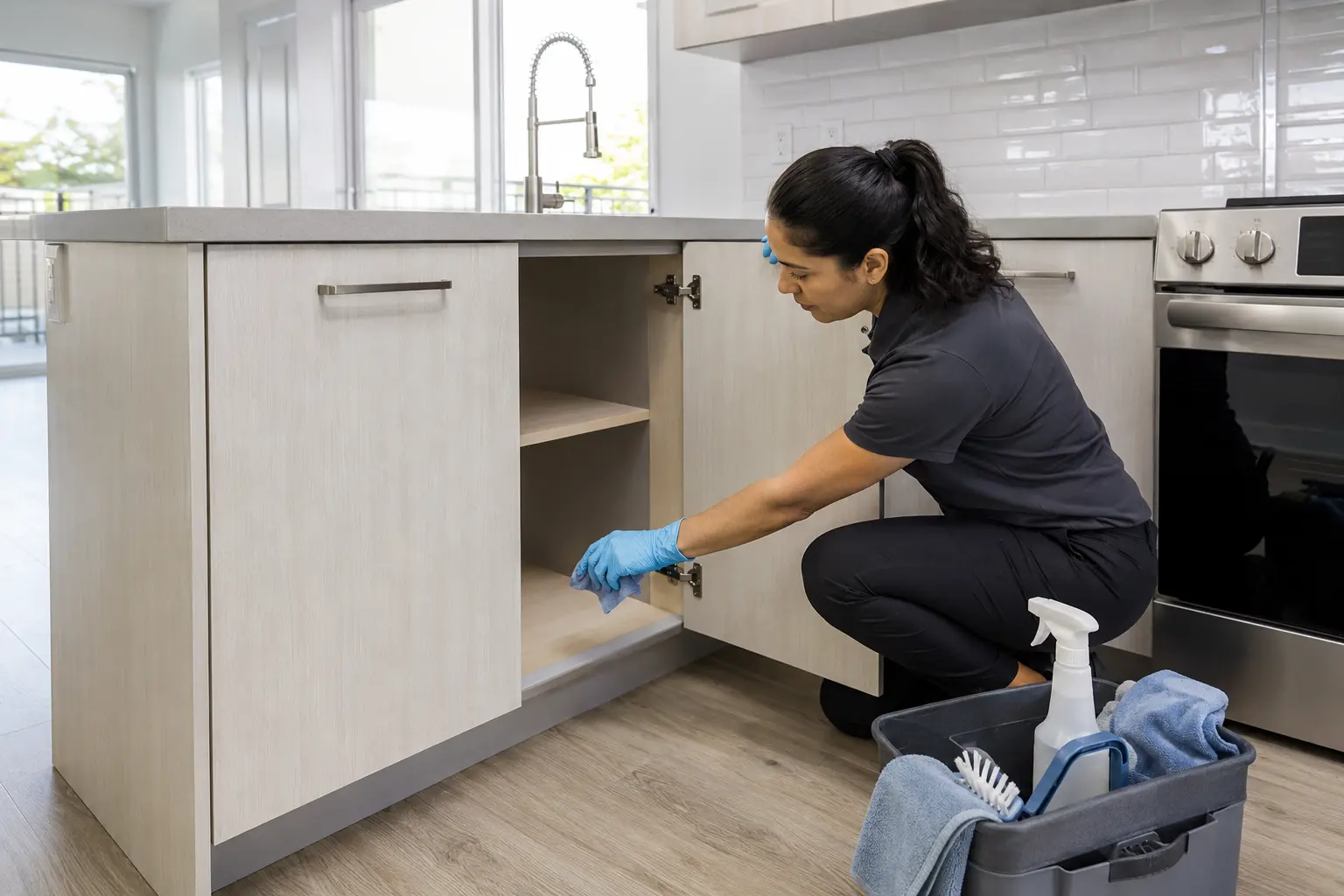
    Professional cleaner wiping the inside of an empty kitchen cabinet during apartment turnover cleaning
    Empty cabinets make it possible to clean shelves, corners, and hardware before the next resident moves in.

    Room-by-room turnover cleaning tasks

    Kitchen

    • Remove loose crumbs and debris from empty drawers, shelves, and cabinet corners.
    • Wipe cabinet and drawer interiors, fronts, handles, and accessible edges using a surface-appropriate method.
    • Clean countertops, backsplash, sink basin, faucet, drain area, and exposed plumbing cabinet surfaces.
    • Clean the refrigerator interior, drawers, shelves, seals, exterior, and accessible top and sides when included in the scope.
    • Clean the oven and cooktop according to the appliance finish; wipe knobs, control panels, hood exterior, and accessible filters.
    • Wipe the dishwasher interior lip, exterior, controls, and surrounding cabinet faces.
    • Check corners, toe kicks, baseboards, wall plates, and the floor beneath movable items.

    Appliances vary, so the scope should say whether interior oven and refrigerator cleaning is included and whether appliances may be moved. Cleaners should not disconnect gas, water, or electrical connections unless they are specifically trained and authorized to do so.

    Bathrooms

    • Clean and disinfect appropriate high-touch surfaces such as handles, switches, and fixture controls.
    • Remove soap residue and mineral buildup from tubs, showers, tile, surrounds, doors, and tracks using finish-safe products.
    • Clean the toilet, including the seat, hinges, exterior, base, and nearby floor area.
    • Clean the vanity, sink, faucet, mirror, empty storage, and accessible plumbing cabinet surfaces.
    • Wipe exhaust covers, ledges, doors, trim, baseboards, and wall plates.
    • Check the room from several angles for hair, dust, streaks, and residue.

    Persistent discoloration, failed caulk, damaged grout, corrosion, or an active leak may need maintenance rather than additional scrubbing. Flagging that distinction early prevents wasted time and protects the finish.

    Bedrooms, living areas, closets, and halls

    • Dust accessible vents, fan exteriors, light fixtures, ledges, door tops, and closet shelving.
    • Wipe doors, frames, handles, switches, wall plates, windowsills, tracks, and baseboards.
    • Remove cobwebs and check corners, closet floors, and the space behind open doors.
    • Spot-clean washable marks only when the method is appropriate for the paint and within scope.
    • Vacuum carpet edges and open areas or clean hard floors with a finish-appropriate process.
    • Complete a final edge check where dust and hair tend to collect.

    If the unit needs a more extensive vacant-home service, review SRS Cleaning’s move-in and move-out cleaning service and confirm the exact unit scope before work begins.

    Build a pass-or-correct quality-control step

    A checklist is only useful when every item has a clear completion standard. “Clean kitchen” is subjective. “Cabinet interiors are empty and free of visible crumbs, dust, and residue” is easier to inspect. Define whether each item passes, needs correction, is excluded, or requires maintenance.

    Property manager and cleaning lead completing a final walkthrough in a clean vacant apartment
    A documented final walkthrough helps the property team separate completed cleaning from maintenance follow-up.

    During the final walk-through:

    1. Enter with clean shoes or protective covers if the flooring requires them.
    2. Turn on available lights and inspect from the doorway before moving through the room.
    3. Open empty cabinets, drawers, closets, appliances, and shower doors included in the scope.
    4. Look across reflective surfaces for streaks and check floor edges at eye level.
    5. Record corrections with a room, item, and photo instead of a vague message.
    6. Confirm corrections and save final condition photos in the property’s approved system.
    7. Secure windows, turn off lights and water, remove supplies, and follow the approved key-return process.

    A consistent inspection method is especially important across multiple units or team members. SRS Cleaning’s guide to apartment cleaning priorities that matter most can help managers decide which details deserve the most attention during the handoff.

    How to shorten unit downtime without cutting cleaning quality

    Faster readiness usually comes from removing uncertainty, not rushing the final clean. Give each vendor a defined start condition, scope, access method, and completion signal. A shared turn board or property-management workflow can show which step is ready and which is blocked.

    • Use one accountable coordinator. A single contact can approve scope questions and prevent conflicting instructions.
    • Group similar work. When appropriate, scheduling comparable unit types together can simplify supplies, access, and inspection.
    • Share exclusions in advance. Identify repairs, permanent stains, worn finishes, and owner-responsibility items before the cleaning team arrives.
    • Protect completed work. If vendors must re-enter, define pathways and require debris removal.
    • Reserve time for correction. A realistic handoff window is more useful than declaring the unit ready before inspection.

    Turn times depend on unit size, condition, scope, utilities, access, staffing, and the amount of repair work. Avoid promising a universal number of hours. Instead, provide complete unit details so the cleaning team can set a realistic plan.

    What to send when requesting a turnover-cleaning quote

    A complete request reduces back-and-forth and helps the cleaner price the actual work rather than a generic apartment. Include:

    • Property city and unit type, including approximate size and bedroom/bath count.
    • Current condition and whether belongings or construction debris remain.
    • Requested rooms, appliance interiors, windows or tracks, cabinets, floors, and add-on priorities.
    • Surface or appliance details that may affect cleaning methods.
    • Access procedure, parking or loading instructions, and on-site contact.
    • Earliest authorized start, target inspection window, and any vendor dependencies.
    • Photo, documentation, invoicing, or purchase-order requirements.

    SRS Cleaning serves communities across its Orange County service area. Confirm availability and scope for a specific property rather than linking work to an unpublished city page.

    Apartment turnover cleaning checklist FAQ

    What is apartment turnover cleaning?

    It is a vacant-unit cleaning service performed between occupants. Depending on the agreed scope, it can include accessible surfaces, empty cabinets and drawers, appliance interiors, bathrooms, baseboards, and floors. Repairs, painting, hauling, and restoration are separate unless specifically included by the responsible provider.

    Should maintenance or cleaning happen first?

    Most dust-producing repairs, painting, and flooring work should be complete before the final clean. Inspection and urgent maintenance come first; final floor care generally comes near the end. If work must overlap, document the handoff and plan a touch-up.

    How long does apartment turnover cleaning take?

    There is no reliable one-size-fits-all duration. Unit size, condition, requested detail, appliance interiors, flooring, access, utilities, and the number of cleaners all affect timing. Photos and a complete scope help produce a more useful estimate.

    How should managers document the final clean?

    Use the property’s approved inspection system to record room-by-room pass, correction, exclusion, or maintenance status. Dated photos, a named reviewer, and a clear correction deadline make the handoff easier to verify.

    Can one checklist work for every unit?

    Use one master standard for consistency, but adapt it for floor plan, finishes, appliances, occupancy condition, and approved scope. The goal is a repeatable process without treating unlike units as identical.

    Prepare the next Orange County unit with a clearer plan

    A reliable apartment turnover cleaning checklist connects the people doing the work with the person approving the result. Start with documentation, finish repairs before the final clean, inspect against specific standards, and record the handoff. That process supports smoother scheduling and a more consistent resident-ready experience.

    If your property team needs help cleaning a vacant apartment, request a cleaning quote from SRS Cleaning. Share the unit details, condition, scope, and target inspection window so the team can confirm an appropriate plan.

  • Office Hygiene Practices That Keep Teams Healthier

    Office Hygiene Practices That Keep Teams Healthier

    The conference table may look clean at 9 a.m., but it can collect coffee drips, fingerprints, food crumbs, and germs before the first meeting ends. Office hygiene practices are not about making a workplace feel sterile. They are about creating a space where employees can focus, clients feel comfortable, and routine mess does not become a bigger problem by Friday afternoon.

    For busy office managers and business owners, the goal is a realistic system. A clean workplace should not depend on one person remembering every task or spending the end of a long day wiping down the break room. With clear expectations, the right supplies, and dependable professional support when needed, office hygiene becomes easier to maintain.

    Why Office Hygiene Practices Matter

    Workspaces are shared environments. Keyboards, door handles, elevator buttons, conference-room remotes, shared printers, refrigerator handles, and restroom fixtures all see frequent use. Even in a small office, these touchpoints can quickly become overlooked sources of grime.

    Good hygiene also affects how people experience the workplace. Employees are more likely to feel cared for when restrooms are stocked, trash is removed on schedule, and common areas are pleasant to use. Clients and visitors notice the details, too. A streaked glass door or overflowing trash can may seem minor, but it can make an otherwise professional office feel unmanaged.

    There is also a practical business benefit. Regular cleaning protects surfaces from buildup, helps control odors, and keeps small maintenance issues visible before they become expensive distractions. The right standard is not perfection at every moment. It is consistency that gives your team a clean, calm place to work.

    Focus on the Areas That Get Used Most

    A practical office hygiene plan starts with traffic patterns, not a long list of chores. The spaces people use all day need the most frequent attention, while private offices and low-traffic storage areas may need less frequent service.

    Shared desks and technology

    Desks can hold more than paperwork. Food wrappers, drink rings, dust, and personal items tend to collect quickly, especially in busy teams or hybrid offices with shared workstations. Employees should be encouraged to clear their desk at the end of the day so surfaces can be wiped without moving piles of documents or equipment.

    For shared keyboards, mice, phones, and headsets, use products that are appropriate for electronics and follow the manufacturer’s instructions. Spraying liquid directly onto equipment can cause damage. A lightly dampened microfiber cloth or electronics-safe wipe is usually the better approach.

    Break rooms and kitchens

    The break room is often the fastest place for an office to feel neglected. A few unwashed mugs, a microwave spill, or forgotten leftovers can affect the whole room. Establish simple expectations: label food, remove personal items weekly, wipe spills right away, and avoid leaving dishes in the sink overnight.

    Daily attention should include counters, tables, sinks, appliance handles, and trash. Refrigerators need a deeper clean on a regular schedule, with expired food removed. This is one area where a shared responsibility policy helps, but it should not replace scheduled professional cleaning. Employees can handle their own messes; a cleaning team can provide the consistent reset that keeps buildup from taking over.

    Restrooms

    Restrooms require the clearest standards because they directly affect comfort, hygiene, and visitor impressions. They should be checked frequently for soap, paper towels, toilet paper, trash capacity, odors, and visible soil. High-traffic offices may need multiple check-ins each day, while a small office may need a lighter schedule.

    Cleaning restrooms properly means more than a quick wipe of the counter. Toilets, sinks, faucets, stall latches, dispensers, floors, mirrors, and door handles all need attention. Supplies should be stored where authorized staff can replenish them easily, without leaving extra products in public areas.

    Entryways, meeting rooms, and high-touch surfaces

    Entryways set the tone for the office. Glass doors, reception counters, seating, and floors should be addressed often enough to stay presentable throughout the day. In Orange County, dry weather can also mean dust and debris are tracked indoors more easily than people expect.

    Meeting rooms deserve attention between appointments when possible. Clear used cups, wipe the table, straighten chairs, and check the whiteboard before the next group arrives. Door handles, light switches, printer controls, and shared remotes should be cleaned regularly, especially during cold and flu season or when an illness has been reported in the office.

    Build a Schedule People Can Actually Follow

    The most effective hygiene plans separate daily upkeep from weekly and periodic cleaning. A practical office cleaning checklist can keep those tasks organized, while the broader commercial cleaning checklist covers entrances, restrooms, break areas, floors, and frequency planning across shared workplace spaces. Asking employees to perform a deep clean is rarely realistic and can lead to uneven results. At the same time, waiting for a weekly cleaning visit to address every spill or overflowing bin is not practical.

    Daily tasks should stay simple: empty visible trash as needed, wipe spills, clean break-room surfaces, tidy reception, and replenish restroom supplies. Weekly service can cover more thorough vacuuming, mopping, dusting, restroom sanitizing, detailed kitchen cleaning, and disinfection of high-touch areas. Periodic tasks may include interior glass, baseboards, upholstery, vents, refrigerator interiors, and deeper floor care.

    The right frequency depends on your office size, visitor traffic, industry, and layout. A medical-adjacent business, a busy real estate office, or a customer-facing showroom may need more frequent attention than a small administrative suite. Hybrid teams can reduce daily wear, but concentrated in-office days may still create heavy use of common areas.

    Give Employees Clear, Reasonable Expectations

    A clean office works best when everyone knows what they are responsible for. The key is to make expectations fair. Employees should not feel as though they have been assigned a second job, but they should understand how their habits affect shared spaces.

    A short workplace hygiene policy can cover basics such as cleaning up food spills, removing personal items from common refrigerators, keeping walkways clear, reporting supply shortages, and avoiding leaving dishes or perishable food behind. Make the policy visible during onboarding and send occasional reminders without making the message punitive.

    It also helps to make clean choices convenient. Put disinfecting wipes near shared equipment, provide hand soap and paper towels consistently, place trash and recycling bins where people need them, and keep a simple spill kit accessible. When supplies are hard to find, even well-intentioned employees tend to postpone cleanup.

    Avoid Common Cleaning Mistakes

    More product does not always mean a cleaner office. Overusing disinfectant can leave residue, damage certain surfaces, and create strong odors that employees dislike. Products need enough contact time to work, so spraying and immediately wiping may not deliver the intended result. Read labels, use products suited to the surface, and avoid mixing cleaning chemicals.

    Another common issue is treating disinfection as a replacement for cleaning. A dirty surface should be cleaned first so dust, grease, and visible soil are removed. Disinfecting is then used where it is appropriate, particularly on frequently touched surfaces.

    Finally, do not overlook indoor air and clutter. Cleaning can reduce dust on surfaces, but crowded desks, stacked boxes, and blocked vents make routine care harder. A simple organization standard supports better hygiene and a safer, more functional work environment.

    When Professional Office Cleaning Makes Sense

    An internal routine can handle small, immediate tasks, but professional office cleaning provides the reliable foundation. This is especially useful when staff are already busy, multiple people share responsibility for the space, or the office receives regular clients and visitors.

    A dependable cleaning team can work around your schedule and deliver consistent attention to the areas that are easy to miss during a busy week. For office managers, that means fewer last-minute cleanup requests and more confidence that the workplace will be ready for the next workday. SRS Cleaning helps Orange County offices maintain that standard with detail-oriented service and clear communication.

    A cleaner office is one less thing your team has to worry about. Set a practical routine, make everyday cleanup easy, and bring in trusted support when the work deserves more than a quick wipe-down.

  • Rental Turnover Cleaning Guide for Property Managers

    Rental Turnover Cleaning Guide for Property Managers

    A vacant rental can look simple from the doorway, then reveal a full day of work once the lights are on. Grease inside cabinets, dust along baseboards, soap buildup in showers, and forgotten items in drawers can quickly delay the next showing. This rental turnover cleaning guide helps property managers and landlords create a repeatable process that protects the property, supports faster leasing, and gives incoming residents a clean start.

    The goal is not just to make a home look presentable for photos. A thorough turnover clean helps reveal maintenance issues, reduces complaints at move-in, and signals that the property is professionally cared for. For busy Orange County property managers, that consistency can make a demanding turnover schedule much easier to manage.

    Start With a Walk-Through Before Cleaning

    Cleaning goes faster when no one is guessing what needs attention. Before bringing in supplies or a cleaning crew, walk the property room by room and document its condition. Compare the home against the move-out inspection and note anything outside the scope of normal cleaning, such as wall damage, broken blinds, excessive debris, pest concerns, or appliances that need repair.

    Take photos before work begins. They provide a clear record for owner communication, security deposit decisions, and vendor coordination. They also help separate cleaning from repairs. A cleaner can remove dust from a ceiling fan, for example, but a loose or damaged fan should be handled by a qualified maintenance professional.

    At this stage, remove any personal items or abandoned belongings according to your company policy and applicable California requirements. Cleaning around leftover boxes, furniture, or trash wastes time and makes it harder to judge the property’s true condition.

    Use a Rental Turnover Cleaning Guide by Room

    A dedicated apartment turnover cleaning checklist can coordinate vendor sequencing, room-by-room quality control, and final unit-readiness sign-off. For deeper cleaning detail, a room-by-room checklist keeps quality consistent, especially when multiple people are involved. It also prevents common misses that new tenants notice immediately, such as crumbs in drawers or hair around the base of a toilet.

    Kitchen: Focus on Food Surfaces and Appliances

    Kitchens usually take the most time because grease and food residue collect in places that are easy to overlook. Empty cabinets and drawers, then wipe their interiors, fronts, handles, and edges. Clean countertops, backsplashes, sinks, faucets, and light switches. Pay close attention to the area behind and beneath small appliances if they remain in the unit.

    Appliances need more than a quick wipe-down. Clean the microwave inside and out, including the turntable. Remove crumbs and residue from the oven, stovetop, range hood, and drip pans where applicable. The refrigerator should be emptied, wiped inside, and checked for spills in drawers and door seals. If an appliance has heavy grease, burned-on residue, or a persistent odor, plan for extra time rather than rushing the result.

    A clean kitchen is a strong first impression. It also helps incoming tenants feel comfortable using the space from day one.

    Bathrooms: Reset the Most Scrutinized Room

    Bathrooms can make a clean property feel neglected if soap scum, mineral buildup, mildew, or stray hair remains behind. Clean and disinfect the toilet, shower, tub, vanity, sink, mirror, fixtures, and surrounding floors. Wipe cabinet interiors and drawers, not just visible surfaces.

    Check grout, caulking, and shower doors as you work. Some discoloration may respond to cleaning, while cracked caulk, recurring mildew, or damaged grout may require maintenance. Treating these as separate issues avoids promising a cleaning result that the condition of the material cannot support.

    Vent covers and exhaust fans deserve attention too. Dust buildup affects appearance and may point to a ventilation issue worth investigating before a new resident moves in.

    Bedrooms and Living Areas: Clean Beyond the Open Floor

    Vacant rooms can hide a surprising amount of dust. Begin high and work down: ceiling fans, light fixtures, vents, window ledges, blinds, baseboards, doors, and floors. Wipe closet shelves, rods, and drawer interiors where provided. Open every closet and cabinet, even if it appears empty.

    For hard flooring, sweep or vacuum thoroughly before mopping. For carpet, vacuum slowly along edges and in closets. Professional carpet cleaning may be appropriate after a long tenancy, visible stains, pet odors, or heavy soil. It depends on the lease terms, the carpet’s age, and the actual condition. Shampooing every carpet between every resident is not always necessary, but skipping it when odors remain can lead to a difficult move-in conversation.

    Windows, Entryways, and Outdoor Touchpoints

    The front door and entryway set expectations before a prospect sees the rest of the property. Wipe the door, handle, lock area, mailbox, and visible light fixtures. Remove cobwebs near the entry and clear loose debris from the immediate approach.

    Inside, clean reachable window glass, tracks, sills, and blinds. Window tracks are a frequent missed detail, particularly in coastal areas where dust and moisture can collect. Full exterior window cleaning may need its own vendor and schedule, but interior glass should look clear enough for showings and move-in.

    Clean in the Right Order to Avoid Rework

    The best turnover workflow follows the natural path of dust and traffic. Start with dry work and high surfaces, then move to detailed wiping, bathrooms and kitchens, and finally the floors. If floors are cleaned too early, workers will track dust and debris back through the home.

    Save final touches for the end: polishing fixtures, replacing burned-out bulbs if that is part of your process, checking for fingerprints, and making sure bins are empty. A final walk-through should happen after all vendors have finished. There is little value in a spotless floor if a maintenance visit leaves behind drywall dust or boot marks an hour later.

    For quick turns, divide the work by zone rather than having everyone clean the same room at once. One person can focus on kitchens and baths while another handles dusting, windows, and floors. Clear responsibilities reduce duplicate work and make it easier to spot gaps before the property is released for showings.

    Know What Cleaning Cannot Fix

    A reliable turnover process protects everyone from confusion about what is clean versus what is worn, damaged, or in need of replacement. Etched glass, permanent countertop stains, chipped tile, smoke odor, water damage, and worn flooring may not be resolved by standard cleaning.

    Be clear with owners and incoming residents when a repair or replacement is needed. Trying to disguise a condition issue with fragrance or surface-level cleaning can create more complaints later. A well-maintained rental does not have to look brand new, but it should be hygienic, functional, and honestly presented.

    Build Time Into the Turnover Schedule

    A rushed schedule is where details get missed. Whenever possible, schedule cleaning after move-out, trash removal, and major repairs, but before final photography, listing appointments, and tenant move-in. If painting, flooring work, or appliance installation is planned, cleaning may need to happen in stages. A post-construction dust removal visit followed by a final detail clean is often more effective than asking one cleaning appointment to solve everything.

    Keep a record of each property’s usual turnover needs. A unit with stainless appliances, glass shower doors, blinds throughout, or pets may require more time than a similarly sized home with simpler finishes. Over time, this information helps you schedule more accurately and quote owners with fewer surprises.

    When Professional Turnover Cleaning Makes Sense

    Some turnovers are manageable in-house, particularly when a unit was lightly used and the schedule is flexible. Professional cleaning is often the better fit when a property needs to be market-ready quickly, the previous tenant left heavy buildup, or your team is already coordinating repairs, inspections, and leasing activity.

    Look for a provider that communicates clearly about scope, arrival times, and any issues found during service. For occupied or recently vacated homes, trust matters just as much as cleaning skill. Background-checked, insured professionals can give property managers confidence that the work is handled carefully and consistently.

    SRS Cleaning supports rental turnovers across Orange County with detail-focused move-in and move-out cleaning designed to reduce the pressure on landlords and property teams. A clear scope and a dependable schedule help turn an empty unit into a home that is ready for its next resident.

    A clean turnover is one of the few parts of the leasing process that residents can see and feel immediately. Give it the time, inspection, and care it deserves, and the next move-in can begin with fewer loose ends and more peace of mind.

  • Janitorial Service vs Office Cleaning Compared

    Janitorial Service vs Office Cleaning Compared

    A workplace can look fine at 9 a.m. and feel neglected by 3 p.m. Restrooms need attention, trash builds up, fingerprints appear on glass, and shared break areas quickly become a source of frustration. When comparing janitorial service vs office cleaning, the right choice usually comes down to how often your space needs care, what needs to be handled, and how much day-to-day support your team expects.

    The terms are often used interchangeably, but they can describe very different service plans. Understanding the difference helps office managers, business owners, and property managers choose a cleaning schedule that supports a professional, healthy, and comfortable workplace without paying for services they do not need.

    Janitorial Service vs Office Cleaning: The Main Difference

    Janitorial service usually refers to ongoing, routine maintenance. It is designed to keep a facility clean and usable from one day to the next. Depending on the agreement, a janitorial team may work every weekday, several times a week, or even during business hours in larger facilities.

    Office cleaning more often refers to scheduled cleaning visits focused on the office itself. These visits may happen weekly, biweekly, or on another recurring schedule based on occupancy and the condition of the space. The work is still detailed and professional, but it may not include the daily monitoring and replenishment associated with a broader janitorial program.

    There is no universal rule for how every company uses these terms. One provider may call a nightly office-cleaning plan janitorial service, while another may use “office cleaning” for the same work. The service checklist, visit frequency, and communication process matter far more than the label.

    What Janitorial Service Usually Covers

    Janitorial service is built around consistency. Its purpose is to prevent small messes from becoming visible problems and to keep essential areas ready for employees, visitors, and clients.

    A typical program may include emptying trash and replacing liners, cleaning and restocking restrooms, vacuuming or mopping floors, wiping high-touch surfaces, and maintaining break rooms. In a busy workplace, it may also include spot-cleaning glass doors, responding to spills, collecting recycling, and checking supplies such as paper towels, soap, and toilet paper.

    The biggest advantage is reliability at a higher frequency. If your office has a steady flow of employees, patients, customers, or guests, daily or near-daily attention helps the space stay presentable throughout the workweek. It also reduces the burden on employees who might otherwise feel responsible for taking out trash or cleaning common areas.

    Janitorial service can be especially practical for larger offices, medical-adjacent administrative spaces, schools, retail locations, multi-tenant buildings, and workplaces with active break rooms and public-facing restrooms. These environments generate enough daily use that a weekly clean may leave too much time between visits.

    What Office Cleaning Usually Covers

    Office cleaning is often the better fit for smaller or lower-traffic workplaces that need professional care but do not require daily maintenance. A recurring office cleaning visit can address the areas employees and visitors notice most: floors, desks, reception areas, conference rooms, kitchens, and restrooms.

    The exact scope should be customized. For example, an office of six people with mostly remote staff may need weekly restroom cleaning, trash removal, vacuuming, and dusting. A larger office that hosts client meetings may want more frequent service for reception, conference rooms, and kitchens, with less frequent detail work in private offices.

    Office cleaning can also include periodic deeper tasks, such as wiping baseboards, cleaning interior glass, dusting vents, polishing fixtures, or addressing buildup in kitchen areas. These tasks may be included on a rotating schedule or added when needed.

    The benefit is a more focused plan. You receive a polished office without committing to a full daily maintenance program. For many businesses, particularly professional offices in Orange County with predictable traffic, that balance is both practical and cost-conscious.

    Frequency Changes the Cost and the Experience

    Cleaning frequency has a direct effect on price, but it also changes what your workplace feels like between visits. A lower-frequency plan may cost less per month, yet it may leave overflowing trash, marked-up glass, or untidy restrooms during busy periods. A daily plan provides more consistent upkeep, but it may be unnecessary for a small office that is only occupied a few days each week.

    Consider how your space is actually used rather than choosing a schedule based on square footage alone. A compact office with 25 employees, a shared kitchen, and regular visitors may need more service than a much larger space with eight hybrid employees. Restroom use, food preparation, foot traffic, public access, and the number of workdays all affect the right frequency.

    A professional cleaning provider should be able to recommend a schedule after discussing your operations. If the scope feels too broad, start with the areas that matter most and adjust after a few visits. A good plan should feel easy to maintain, not like another item for your staff to manage.

    How to Choose the Right Service for Your Office

    Start with the condition you want employees and visitors to experience on an ordinary Tuesday afternoon, not just after a cleaning visit. If you need restrooms checked, trash removed, and shared spaces refreshed almost every day, janitorial service is likely the stronger option.

    If your office stays relatively orderly between visits and mainly needs dependable recurring cleaning, office cleaning may be all you need. This is common for small businesses, administrative offices, real estate teams, and hybrid workplaces where the space is not fully occupied every day.

    It also helps to separate routine cleaning from occasional projects. Carpet cleaning, interior window cleaning, post-construction cleanup, and major deep cleans are usually handled as separate services or scheduled additions. Including them in your expectations from the start prevents confusion later.

    Before booking, ask for clarity on a few practical details: which rooms are included, how often each task is completed, whether supplies are provided, how access is handled, and who to contact if your needs change. Licensed, insured, background-checked cleaning professionals and clear communication are especially valuable when a team will have regular access to your workplace.

    When a Hybrid Plan Makes More Sense

    The choice does not have to be strictly janitorial or office cleaning. Many workplaces benefit from a hybrid arrangement. For instance, a company may schedule standard office cleaning twice a week while adding a quick midweek restroom and trash service. Another office may use nightly cleaning during its busiest season, then move to three visits a week when occupancy drops.

    This approach works well when only certain areas need frequent attention. A customer-facing lobby and restroom may require daily service, while private offices can be cleaned less often. Tailoring the plan avoids both extremes: paying for unnecessary labor or asking staff to compensate for an insufficient cleaning schedule.

    For property managers, a hybrid plan can also make turnovers and common-area maintenance easier to coordinate. Routine service keeps shared areas presentable, while one-time deep cleaning can prepare an office suite, rental, or commercial property for its next occupant.

    Signs Your Current Cleaning Plan Is Not Enough

    A cleaning plan may need an adjustment when employees regularly mention odors, full trash bins, sticky break-room surfaces, or restroom supplies running out. Client-facing businesses should also watch for subtle signs, such as smudged entry glass, dusty reception furniture, and floors that look worn before the week ends.

    These are not always signs that your cleaning team is doing poor work. More often, they indicate a mismatch between the scope of service and the amount of activity in the building. Increasing visit frequency, adding a targeted midweek service, or revising the checklist can make a noticeable difference without requiring a complete change in providers.

    The best cleaning arrangement is one your team barely has to think about. Whether that means recurring office cleaning or a more comprehensive janitorial program, the goal is the same: a workplace that feels cared for, supports productivity, and gives employees and visitors confidence from the moment they walk in. With a clear scope and a dependable local provider such as SRS Cleaning, keeping your office clean can become one less thing competing for your attention.

  • Office Cleaning Huntington Beach That Works

    Office Cleaning Huntington Beach That Works

    A clean office changes the feel of a workday before anyone opens a laptop. When desks are dusty, restrooms are neglected, and breakroom counters are sticky, employees notice – and so do clients. Professional office cleaning Huntington Beach businesses can rely on is not about making a space look good for a few hours. It is about maintaining an environment where people can focus, feel comfortable, and welcome visitors with confidence.

    For busy office managers and business owners, cleaning is also one more operational detail competing for attention. A reliable cleaning plan takes that task off your team’s plate while keeping standards consistent from one visit to the next.

    What a Well-Cleaned Office Really Supports

    Office cleaning is often viewed as a simple maintenance expense. In practice, it supports the daily experience of everyone who walks through the door. A clean reception area sets expectations for clients. Tidy workspaces reduce visual distractions. Fresh restrooms and breakrooms show employees that their comfort matters.

    There is also the practical side. Shared touchpoints, including door handles, conference tables, kitchen surfaces, and restroom fixtures, collect frequent use throughout the day. Regular cleaning helps keep these high-traffic areas looking cared for and more pleasant to use.

    The right service schedule depends on your space, your team size, and how clients use the office. A small professional office with limited foot traffic may be well served by weekly cleaning. A busy medical-adjacent practice, real estate office, retail back office, or client-facing workspace may need service several times a week. The goal is not to pay for more cleaning than you need. It is to avoid the point where dirt, clutter, and missed details become noticeable.

    What Office Cleaning Should Include

    A dependable office cleaning service should cover the areas that shape first impressions and daily comfort. That usually means dusting accessible surfaces, vacuuming or mopping floors, emptying trash, cleaning restrooms, and refreshing breakroom areas.

    The details matter just as much as the basics. Glass entry doors can quickly show fingerprints. Conference rooms need attention before an important meeting. Breakroom sinks and microwaves can become a source of frustration when no one is responsible for them. A quality cleaning team works through these spaces methodically rather than treating every office like the same generic checklist.

    Reception and Client-Facing Areas

    Your front entry, waiting area, and conference room represent your business before a conversation even begins. Clean floors, dust-free furniture, polished glass, and orderly shared surfaces help the space feel professional and prepared.

    This is especially valuable for Huntington Beach businesses that welcome customers, vendors, applicants, or prospective clients throughout the week. You should not have to schedule a last-minute cleanup every time someone important is coming in.

    Workstations and Shared Spaces

    Employees may manage their own desks differently, but the surrounding environment should stay consistently clean. Common-area dusting, trash removal, floor care, and attention to shared surfaces help prevent the office from feeling worn down between visits.

    For privacy and security reasons, cleaning teams should also respect personal work areas and follow clear instructions about what should not be moved, handled, or discarded. Good communication is part of good cleaning.

    Restrooms and Breakrooms

    These rooms often have the biggest effect on how employees perceive the workplace. Restrooms need regular attention to fixtures, mirrors, floors, dispensers, and trash. Breakrooms need more than a quick wipe of the counter. Sinks, tables, appliance exteriors, and floors should be addressed so the area remains usable for everyone.

    If these spaces receive heavy use, they may need more frequent cleaning than the rest of the office. That is a reasonable adjustment, not an inconvenience. A service plan should reflect how your office actually operates.

    How to Choose an Office Cleaning Partner

    The lowest quote is not always the best value. In commercial cleaning, consistency is what protects your time and your workplace standards. A missed visit, poor communication, or rotating crew that does not know your facility can create more work for an office manager than cleaning ever should.

    Look for a company that is licensed and insured, uses background-checked cleaners, and is clear about what is included in the service. You should be able to ask questions, request adjustments, and know who to contact if your needs change. A satisfaction guarantee also matters because it shows the company is willing to stand behind its work.

    It helps to discuss the practical details before service begins. Confirm the cleaning schedule, access process, alarm or lock-up instructions, supply preferences, and any rooms requiring special attention. A brief walkthrough or clear scope of work can prevent assumptions later.

    SRS Cleaning approaches office service with that kind of clarity: straightforward scheduling, dependable communication, and detail-oriented care designed around the needs of the space.

    Build a Schedule Around Your Office, Not a Template

    A cleaning plan should feel easy to maintain. For many offices, after-hours cleaning is the least disruptive option because employees can arrive to a refreshed space without working around vacuums or restroom service. Other workplaces prefer daytime cleaning for a smaller suite or a targeted refresh of shared areas.

    Consider your weekly rhythm. If Mondays start with client meetings, cleaning on Friday evening may make sense. If your busiest days are midweek, a midweek visit can keep restrooms and breakrooms from falling behind. Offices with seasonal traffic or periodic events may benefit from adding one-time deep cleaning when needed.

    Recurring service is often the simplest choice because it prevents cleaning from becoming an emergency. Still, one-time office cleaning can be useful before an office move, after construction work, before a company event, or when a space needs a reset before starting a regular schedule.

    Small Habits That Help Professional Cleaning Last

    A cleaning team can maintain your office effectively, but a few shared workplace habits help preserve the results. Encourage employees to clear food from common areas, wipe up spills when they happen, and avoid leaving personal items in places that need to be cleaned. Keep storage areas reasonably organized so floors and surfaces remain accessible.

    This does not mean asking employees to take on janitorial duties. It means making the professional cleaning visit more effective and keeping small messes from becoming bigger problems between appointments.

    Office managers can also keep a simple running note of recurring concerns. Maybe the lobby glass needs extra attention, the kitchen trash fills faster on certain days, or one conference room is used constantly. Sharing those observations with your cleaning provider leads to better service than a one-size-fits-all plan.

    A Cleaner Office Gives Your Team More Room to Work

    The best office cleaning service is the one you do not have to manage closely. You know the workplace will be clean, the team will be treated respectfully, and visitors will walk into a space that reflects well on your business. That confidence gives you back time for the work only you can do.

    Whether you manage a compact suite or a larger client-facing workplace, start with the standard you want people to experience every day. Then choose a cleaning schedule and partner that can meet it consistently, without adding more stress to your week.

  • Office Cleaning Guide for a Healthier Workplace

    Office Cleaning Guide for a Healthier Workplace

    The condition of your office is noticed before the first meeting begins. Dusty reception furniture, full trash cans, smudged glass, and a neglected restroom can quietly affect how employees, visitors, and clients feel about the business. This office cleaning guide helps you create a realistic plan that keeps your workplace clean, comfortable, and ready for the people who use it every day.

    A dependable routine does more than create a polished appearance. It helps reduce distracting clutter, supports employee well-being, and removes one more task from an already full office manager’s list. The right plan depends on your space, foot traffic, and work schedule, but it should always be clear enough that nothing important gets missed.

    Start With the Areas People Notice Most

    Not every part of an office needs the same level of attention every day. Start with the spaces that receive the most traffic or shape first impressions: entryways, reception areas, restrooms, break rooms, conference rooms, and shared workstations.

    Reception areas deserve special attention because they set the tone for visitors. Floors should be free of visible debris, seating should be wiped down, glass doors should be clear of fingerprints, and counters should stay organized. Small details matter here, including dust on décor, empty brochure holders, or overflowing bins.

    Restrooms and break rooms need frequent cleaning because they affect both hygiene and employee comfort. A clean restroom communicates care. A clean break room makes it easier for employees to take a real pause during the day instead of avoiding the space because of spills, crumbs, or unpleasant odors.

    Shared meeting rooms also benefit from a consistent reset. Wipe tables, clean whiteboards, empty trash, straighten chairs, and check for leftover cups or food after meetings. These simple steps keep the next team from starting with someone else’s mess.

    Build an Office Cleaning Schedule That Fits Your Space

    The best office cleaning schedule is not necessarily the most intensive one. It is the one that matches how your office is actually used and can be maintained consistently. A small professional office with limited visitors may need weekly service and light daily upkeep. A busy medical, retail, real estate, or shared office environment may need cleaning several times a week or every day.

    Daily tasks for a clean, functional office

    Daily upkeep is about preventing small messes from becoming a larger problem. At the end of each workday, trash should be removed from common areas, visible spills should be addressed, and high-touch surfaces should be disinfected as needed. Restrooms should be checked, break room counters should be wiped down, and entryways should be spot-cleaned.

    Focus on the surfaces many people touch throughout the day:

    • Door handles, light switches, and elevator buttons
    • Reception counters, shared desks, and conference tables
    • Break room appliance handles and sink fixtures
    • Restroom dispensers, faucets, and flush handles

    The goal is not to make staff responsible for a full cleaning shift. A few shared habits, combined with professional service, can keep the office feeling cared for between scheduled cleanings.

    Weekly cleaning for the details that build up

    Weekly cleaning should go further than a quick wipe-down. Floors need vacuuming or mopping, restroom fixtures need a more thorough clean, and dust should be removed from ledges, furniture, baseboards, and accessible vents. Glass partitions, interior windows, and mirrors often need attention too.

    This is also a good time to clean conference rooms carefully, including chair arms, table edges, presentation equipment, and whiteboards. In offices where employees eat at their desks, weekly attention to workstations can make a meaningful difference in both appearance and comfort.

    Monthly and seasonal tasks

    Some work does not need to happen every week, but it should not be forgotten. Monthly or seasonal cleaning may include detailed carpet care, cleaning behind furniture, wiping high shelves, deep-cleaning kitchen appliances, and treating hard floors. Depending on your office, you may also need to address blinds, upholstery, interior glass, and storage areas.

    These tasks are often where a professional cleaning team adds the most value. They take time, require the right supplies, and are easy to delay when employees are focused on running the business.

    Set Clear Expectations for Shared Spaces

    Even the best cleaning service cannot prevent every mid-day mess. A simple set of expectations helps employees do their part without making the workplace feel overly strict. Encourage team members to wipe up spills when they happen, remove personal food from the refrigerator regularly, and clear desks before a scheduled cleaning visit.

    It also helps to give common areas a clear purpose. If the break room is used for lunch, provide enough trash and recycling capacity. If a conference room hosts client meetings, keep basic supplies nearby so employees can quickly reset the room. When the setup supports good habits, maintaining the space becomes easier for everyone.

    Avoid vague instructions such as “keep the office clean.” Instead, communicate a few practical standards that fit your workplace. For example, food should not be left overnight, dishes should not sit in the sink, and personal belongings should stay off shared tables. Clear expectations are easier to follow and easier to enforce fairly.

    Choose Cleaning Products With Care

    Office cleaning should balance cleanliness with the needs of the people in the building. Strong fragrances or harsh products can be uncomfortable for employees with allergies, sensitivities, or respiratory concerns. In many offices, low-odor products and proper ventilation are the better choice.

    Disinfectants have a specific role, especially in restrooms, break rooms, and high-touch areas. But disinfecting is not a substitute for cleaning. A surface should first be cleared of dirt and residue, then treated according to the product’s instructions. Using too much product or rushing the contact time can reduce effectiveness and leave behind an unpleasant smell or film.

    For carpet, upholstery, and specialty flooring, the right method depends on the material and level of use. Over-cleaning with the wrong solution can damage finishes or leave carpets wet for too long. When in doubt, a professional team can recommend an approach that protects your surfaces as well as your work environment.

    Know When to Bring in Professional Office Cleaning

    Many offices can handle light tidying internally, but routine professional cleaning creates consistency that is difficult to maintain with a busy staff. It also keeps cleaning duties from falling on one office manager or employee who already has other responsibilities.

    Professional office cleaning is especially helpful when your space has regular visitors, multiple restrooms, a busy break room, or a larger square footage. It is also useful before client events, after office moves, during seasonal deep cleans, or when your current routine is no longer keeping up.

    When comparing providers, look beyond the quote. Ask how cleaners are screened, whether the company is licensed and insured, what is included in the scope of work, and how concerns are handled. Reliable communication matters just as much as the cleaning checklist. You should know when the team will arrive, what they will clean, and who to contact if your needs change.

    For Orange County offices, SRS Cleaning provides professionally managed office cleaning designed around your schedule and the way your space is used. Whether you need recurring service or a detailed one-time clean, a clear plan can help your office stay polished without adding stress to your team.

    Review Your Plan as Your Office Changes

    Cleaning needs can shift quickly. A growing team, more in-person meetings, a new break room policy, or a move to a larger suite can all change what your office requires. Review your cleaning plan every few months and pay attention to recurring concerns, such as restroom supplies running out, trash building up before service, or floors looking worn between visits.

    Ask employees for practical feedback, but keep the questions specific. Are common areas comfortable to use? Do restrooms stay stocked? Does the office feel ready for visitors? Their answers can reveal where small adjustments will have the biggest impact.

    A clean office should feel easy, not like another project waiting on your desk. With the right schedule, clear standards, and dependable support, your workplace can stay ready for focused work, welcoming meetings, and whatever the day brings.

  • Office Cleaning Services That Keep Work Moving

    Office Cleaning Services That Keep Work Moving

    A cluttered break room, fingerprints on the entry glass, and overflowing trash cans send a message long before a meeting begins. Reliable office cleaning services give your team and visitors a workplace that feels cared for, organized, and ready for business – without asking employees to handle another task at the end of the day.

    For office managers and business owners, cleaning is not just about appearances. It affects daily comfort, employee confidence, client impressions, and the time it takes to keep a space running smoothly. The right service should make your job easier through clear communication, dependable scheduling, and detail-oriented work you do not have to chase.

    What Office Cleaning Services Should Cover

    Every workplace has different needs. A small professional office with a handful of employees will not need the same service plan as a busy real estate office, medical-adjacent workspace, or shared suite with frequent client traffic. The goal is not to pay for tasks that do not matter. It is to create a cleaning plan that supports how your office actually operates.

    Most recurring office cleaning visits focus on the spaces people use and notice every day. This generally includes dusting accessible surfaces, vacuuming or mopping floors, emptying trash and recycling, wiping desks and common-area surfaces, cleaning restrooms, and refreshing break rooms. High-touch areas such as door handles, light switches, faucets, and shared equipment also deserve regular attention.

    A thoughtful plan also accounts for the details that can quickly change how a workplace feels. Streak-free glass at the entrance, clean mirrors, fresh restroom supplies, and a break room that employees feel comfortable using all contribute to a more polished environment. These are small things individually, but together they create a space people can settle into and focus in.

    Recurring Cleaning vs. One-Time Deep Cleaning

    Recurring cleaning is usually the best fit for offices that want consistency. Depending on foot traffic and the type of business, that may mean service once a week, several times a week, or on another regular schedule that works around your hours. A consistent visit helps prevent buildup and avoids the cycle of waiting until the office looks noticeably neglected before calling for help.

    A one-time deep cleaning can be a smart starting point when a space has been overlooked, a new tenant is moving in, or an office is preparing for an important event or client visit. It can address accumulated dust, detailed restroom cleaning, neglected corners, and other areas that a routine maintenance visit may not fully cover.

    The practical choice often depends on your starting point. If the office already receives basic upkeep but needs reliable maintenance, recurring service may be enough. If the space needs a reset, begin with a deeper clean and follow it with a schedule that keeps it that way.

    Why a Clean Office Is a Business Decision

    Employees should be able to arrive, make coffee, meet with a client, and use the restroom without feeling like they need to clean up after someone else. When the work environment is orderly, it removes a low-level distraction that can quietly affect morale throughout the day.

    Cleanliness also shapes the experience of visitors. Clients may not comment on a clean lobby or restroom, but they notice when something is off. Smudged doors, dusty reception areas, or unpleasant restroom conditions can undermine the professional standard your business works hard to maintain. A clean office supports credibility before the conversation even starts.

    There is also a practical health component. Regular cleaning helps reduce dust, debris, and the shared-surface grime that builds up in high-traffic spaces. It is not a replacement for employee wellness policies or proper handwashing, but it is a meaningful part of maintaining a more comfortable workplace.

    For Orange County businesses, where client meetings, property showings, and professional presentations are often part of the workday, a reliably clean office can be one less variable to manage. Your space should reflect the care you bring to your work.

    How to Choose Office Cleaning Services You Can Trust

    The lowest quote is not always the best value. Office cleaning involves access to your workplace, often after hours or when fewer employees are present. Reliability, communication, and accountability matter as much as the task list.

    Start by asking how the company handles scheduling and communication. You should know when service is planned, how to request changes, and who to contact if something needs attention. A professional cleaner should make it easy to adjust service as your office grows, your hours change, or a special event comes up.

    Insurance and screening are equally important. A licensed and insured provider with background-checked cleaners offers greater peace of mind when people are working in your business space. This is especially valuable for offices with confidential documents, equipment, key access, or client information on site.

    It also helps to ask what happens if the work does not meet expectations. A satisfaction-focused company will have a clear process for addressing concerns rather than leaving you to repeat the same issue month after month. Good service is not about claiming perfection. It is about responding professionally and making things right when needed.

    Questions Worth Asking Before You Book

    Before choosing a provider, get clarity on the service itself. Ask whether supplies and equipment are included, whether the team can work outside normal business hours, and how often the same cleaners will service your office. Consistency can make a real difference because a team familiar with your layout is more likely to notice what needs attention.

    You should also confirm which tasks are included and which may require a separate quote. Interior windows, detailed appliance cleaning, carpet treatment, post-construction cleanup, and supply restocking may fall outside a standard visit. Clear expectations prevent surprises and make it easier to compare estimates fairly.

    Build a Schedule Around Your Office, Not a Generic Checklist

    A cleaning plan should reflect the rhythm of your workplace. A quiet office where most employees work remotely may only need weekly attention. A team with daily visitors, shared desks, frequent meetings, and an active kitchen may benefit from multiple visits each week.

    Think about the areas that receive the most use. Restrooms and break rooms often need more frequent care than private offices. Reception areas may need extra attention if clients arrive throughout the day. Conference rooms can become a priority for businesses that host presentations, interviews, or consultations.

    Timing matters too. After-hours cleaning is often the most convenient option because it allows cleaners to work without disrupting calls, meetings, or concentrated work. In some offices, daytime service makes more sense for restroom touch-ups or high-traffic common spaces. The best arrangement depends on your hours, building access, and need for minimal interruption.

    Do not overlook seasonal and occasional needs. Allergy season may call for more attention to dust. A busy hiring period can increase traffic in meeting rooms. Before a company event, property listing presentation, or important client visit, a one-time refresh can help the office feel ready without changing your regular plan.

    A Simple Way to Keep the Results Lasting

    Professional cleaning works best when employees have a simple system for daily habits. That does not mean turning your staff into cleaners. It means giving everyone an easy way to contribute to the order of shared spaces.

    Encourage employees to clear food from the break room, place trash in the proper bins, and remove personal items from shared tables at the end of the day. Keep a straightforward process for reporting spills or maintenance concerns promptly. When these small routines are in place, your cleaning team can spend their time delivering a deeper, more complete result instead of working around preventable messes.

    It is also helpful to designate one point of contact who can communicate changes, provide access information, and share feedback. This keeps requests from getting lost and gives both your office and the cleaning provider a clear line of communication.

    A Cleaner Office Should Feel Easy

    The best office cleaning services fade into the background in the right way. Trash is removed, restrooms are fresh, floors are cared for, and common areas are ready for the next workday. Your team does not need to wonder who is handling it, and you do not need to spend time following up on basic details.

    SRS Cleaning Services helps Orange County offices create dependable cleaning routines with flexible scheduling, vetted cleaners, and clear communication from the initial quote through each visit. Whether you need a one-time reset or ongoing office care, a professionally cleaned workspace gives your people more room to do their best work.