Locally owned · Serving Orange County homes and businesses

Call (714) 439-8500

Category: Residential Cleaning

  • Apartment Cleaning Cost: What Shapes the Price?

    Apartment Cleaning Cost: What Shapes the Price?

    Apartment cleaning cost is rarely a single flat number that applies to every space. A compact studio that receives regular upkeep is a different job from a multi-bedroom apartment that needs detailed kitchen, bathroom, appliance, and baseboard work. The most useful estimate is one that matches the size, current condition, cleaning type, frequency, and specific tasks involved.

    Published national cost guides can provide a starting point, but they are not a substitute for a local quote. Thumbtack’s apartment-cleaning guide, updated March 31, 2026, reports a national average range of about $151–$265. Angi’s guide, updated July 15, 2026, gives a different national range of $75–$175 per visit. The gap between those estimates is a useful reminder: providers, locations, service levels, and calculation methods vary. Neither range represents SRS Cleaning pricing or a guaranteed Orange County price.

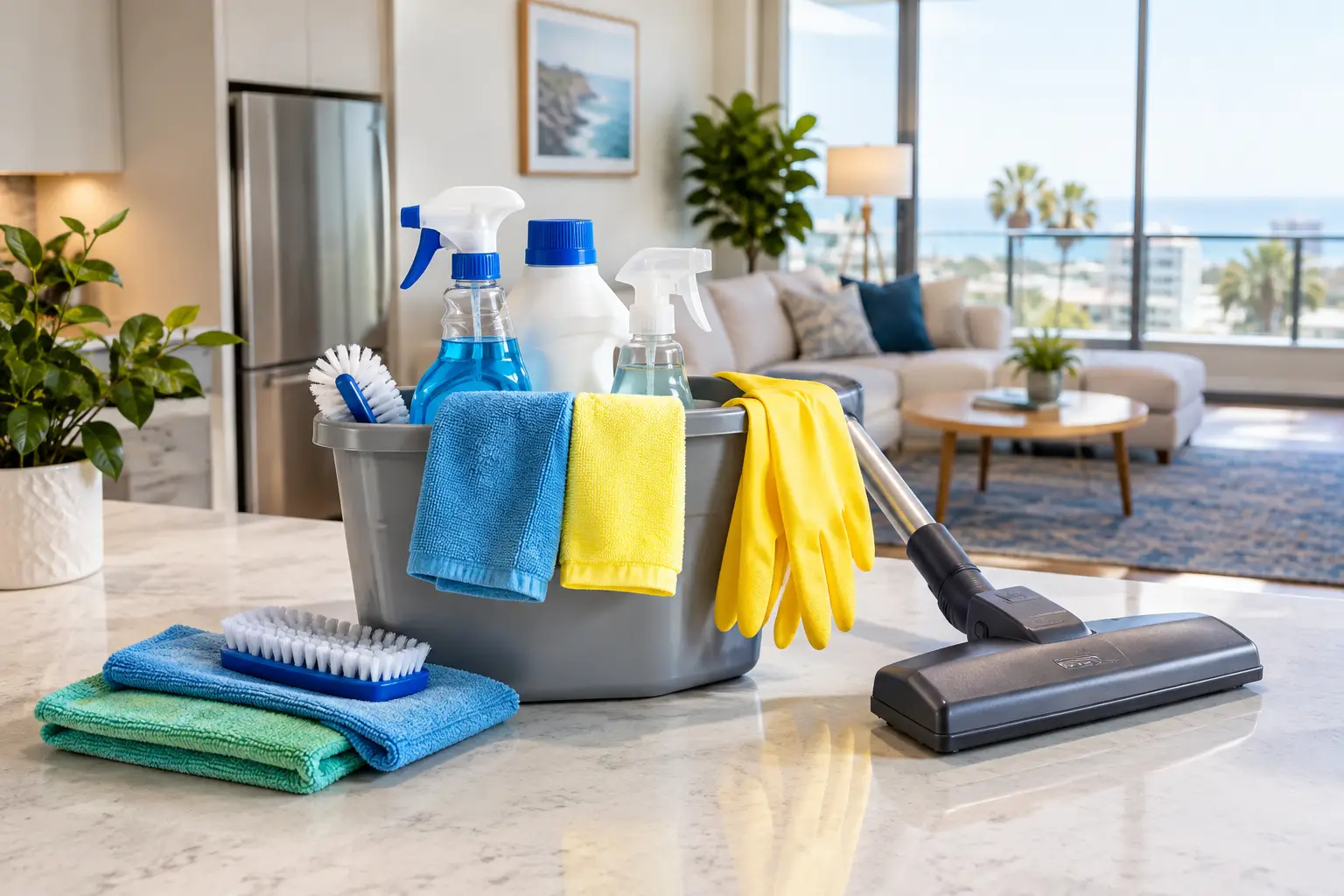
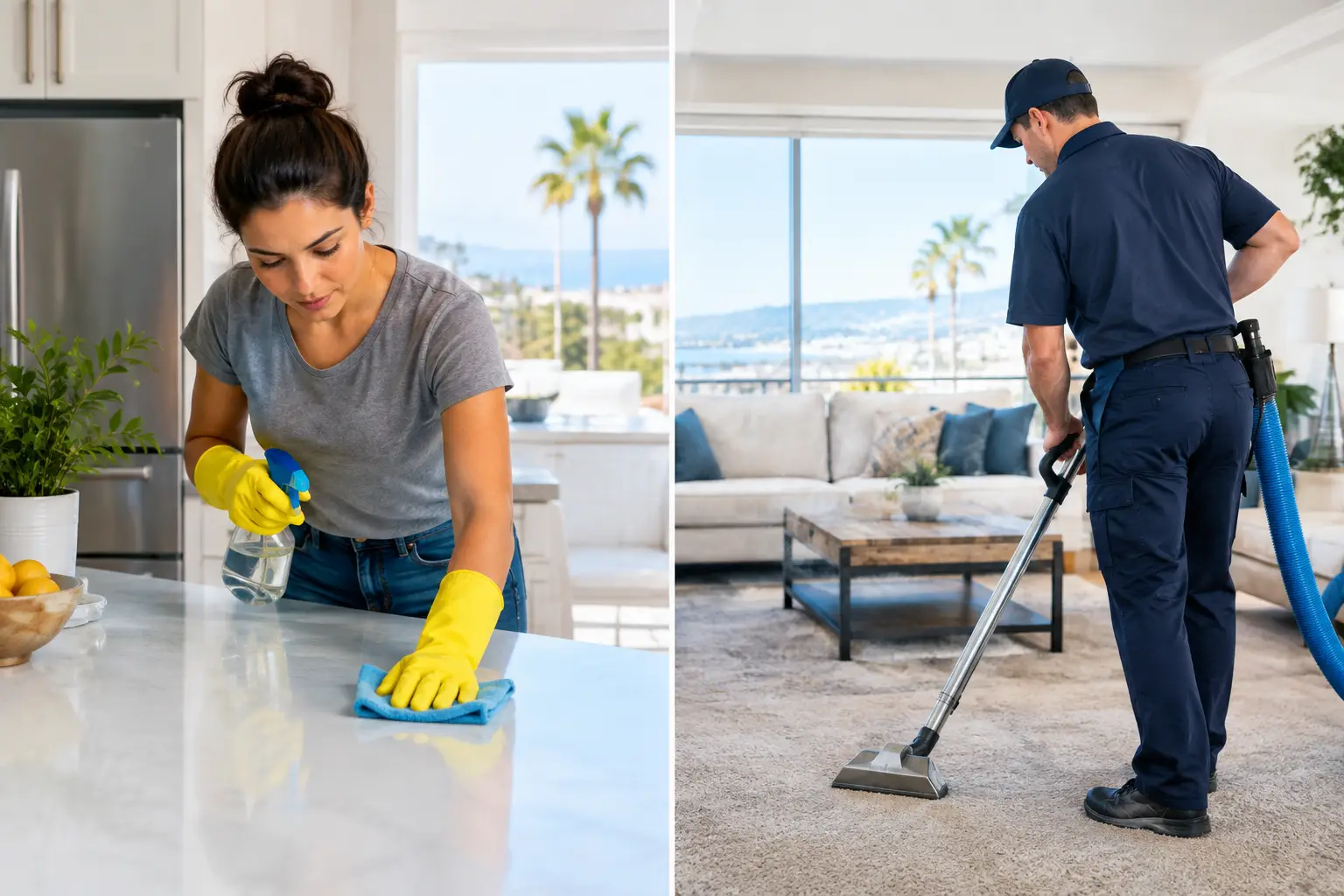
    Professional cleaner vacuuming a bright Orange County apartment living room
    Apartment size, condition, cleaning scope, and frequency can all affect the final quote.

    Apartment cleaning cost: the quick answer

    The short answer is that apartment cleaning cost depends more on the work than on the word “apartment.” Square footage matters, but so do bathrooms, kitchen condition, flooring, pet hair, buildup, requested detail work, and how often the service occurs. Two apartments with the same floor plan can require very different amounts of time.

    SRS Cleaning’s current service information states that Orange County pricing depends on the size of the space, cleaning type, frequency, and add-ons. That is why a tailored estimate is more reliable than copying a national average into a budget.

    Use published ranges as planning references only. Before booking, confirm exactly which rooms and tasks are included, whether the estimate is flat-rate or time-based, and what could change the final amount. A clear scope makes it easier to compare quotes fairly.

    Service type Typical purpose Quote details to confirm
    Standard or recurring cleaning Ongoing maintenance Rooms, checklist, frequency, and first-visit condition
    Deep cleaning A more detailed reset Buildup, detail areas, and included surfaces
    Move Out Cleaning Preparing an apartment for handoff Empty-space scope, appliances, cabinets, closets, and inspection priorities

    Why apartment cleaning estimates vary

    Consumer cost guides do not agree on one universal number because they collect data from different providers, locations, and job types. One guide may blend recurring and one-time visits; another may separate standard cleaning from deep cleaning. Some estimates include fees or common add-ons, while others show only a base visit.

    Company pricing methods also differ. Some services quote by the job after reviewing the details. Others use square footage, room count, estimated labor time, or a combination. Molly Maid, for example, explains that its own estimates consider home size, bathrooms, pets, and personal requests before providing a price range. That describes Molly Maid’s stated estimating approach; it is not a claim that every cleaning company prices the same way.

    Local conditions and the exact requested scope matter more than a broad internet average. A trustworthy estimate should make the assumptions visible rather than promising a price without enough information.

    Factors that shape the price

    1. Apartment size and layout

    More floor area usually means more surfaces, flooring, and rooms to address. Layout can matter too. An open studio may be faster to navigate than a smaller but highly divided space with several rooms, stairs, or tight access points.

    2. Number of bathrooms

    Bathrooms often involve several distinct surfaces: shower walls, tubs, fixtures, mirrors, counters, toilets, and floors. The number of bathrooms and their current condition can therefore change the time required.

    3. Kitchen condition

    A routine wipe-down is different from detailed attention to grease, backsplash residue, cabinet fronts, or appliance exteriors. Interior oven, refrigerator, or cabinet cleaning should be identified separately because it may not be part of a standard visit.

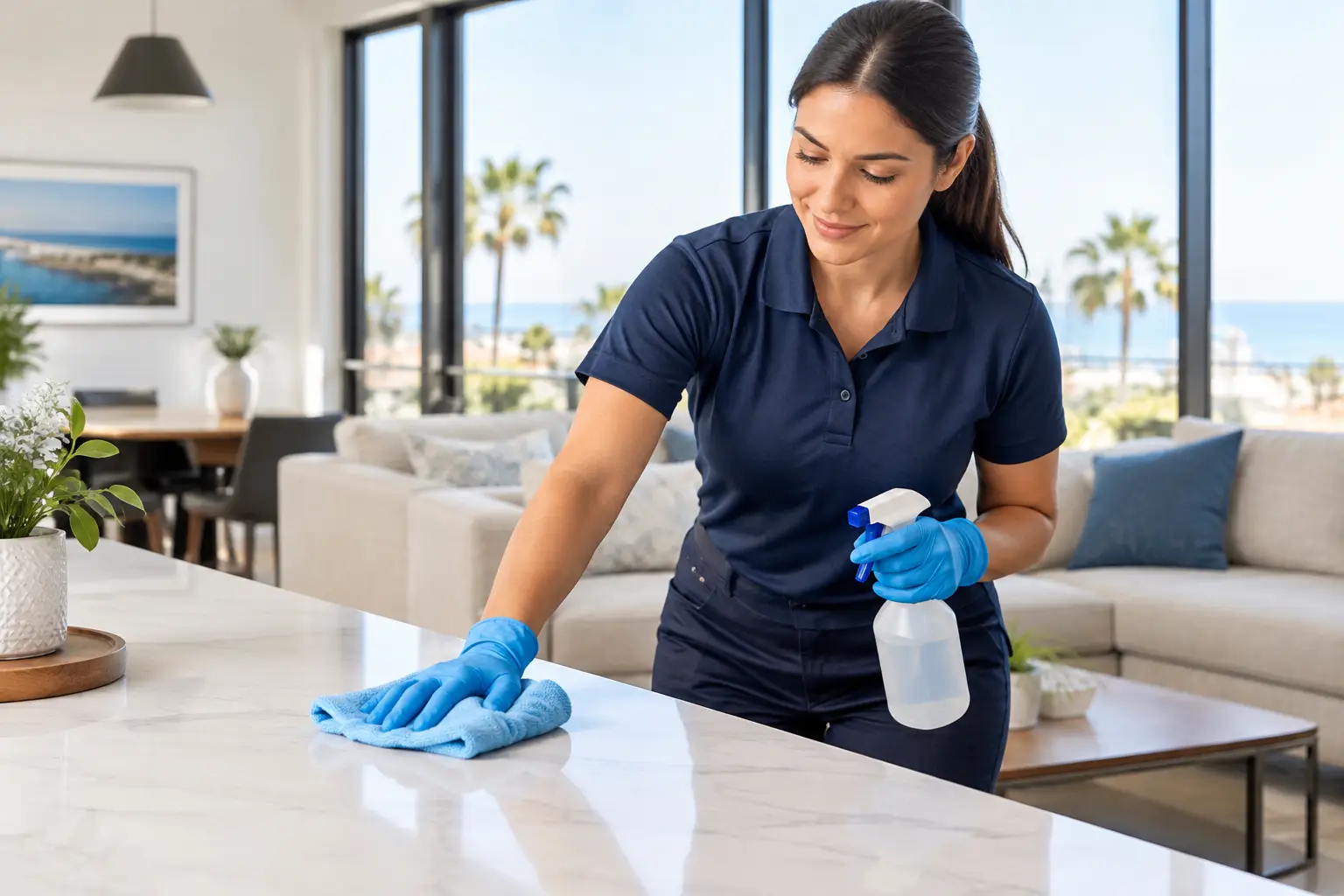
    Professional cleaner wiping a modern apartment kitchen countertop
    Kitchens and detailed surface work can influence the time and scope of an apartment cleaning.

    4. Current condition and buildup

    Regularly maintained surfaces generally require a different level of effort than soap scum, accumulated dust, heavy floor soil, or long-neglected detail areas. Honest condition notes help a company recommend the right service instead of underestimating the work.

    5. Pets, hair, and extra floor care

    Pet hair can require additional vacuuming and edge work, especially on upholstery, rugs, and baseboards. Mentioning pets before the visit also helps the cleaning team understand access and product considerations.

    6. Frequency

    A one-time reset and an ongoing maintenance visit serve different needs. Recurring appointments may have a more predictable scope because the same areas are maintained on a schedule. SRS offers recurring cleaning for regular upkeep, while the initial condition still affects the first estimate.

    7. Add-ons and priority requests

    Interior windows, blinds, inside appliances, inside cabinets, detailed baseboards, or other special requests can extend the scope. Ask whether a requested task is included, available as an add-on, or outside the company’s service.

    Standard, deep, or Move Out Cleaning?

    The cleaning type is one of the biggest pricing variables because it defines the expected level of detail.

    Standard or recurring cleaning

    Standard service typically focuses on maintaining commonly used rooms and surfaces. It is usually the appropriate comparison when an apartment is already in reasonable condition and the goal is ongoing upkeep. Exact inclusions vary, so the provider’s checklist should control.

    Deep cleaning

    Deep cleaning is intended for a more detailed reset. It can be suitable when routine cleaning has not kept up with buildup or when neglected areas need focused attention. The scope should be agreed on before the visit rather than assumed from the word “deep.”

    Move Out Cleaning

    Move Out Cleaning is a separate service context. Empty-space access may simplify some tasks, but cabinets, appliances, baseboards, closets, and the overall handoff condition can expand the checklist. Share any inspection requirements or priority areas when requesting the quote.

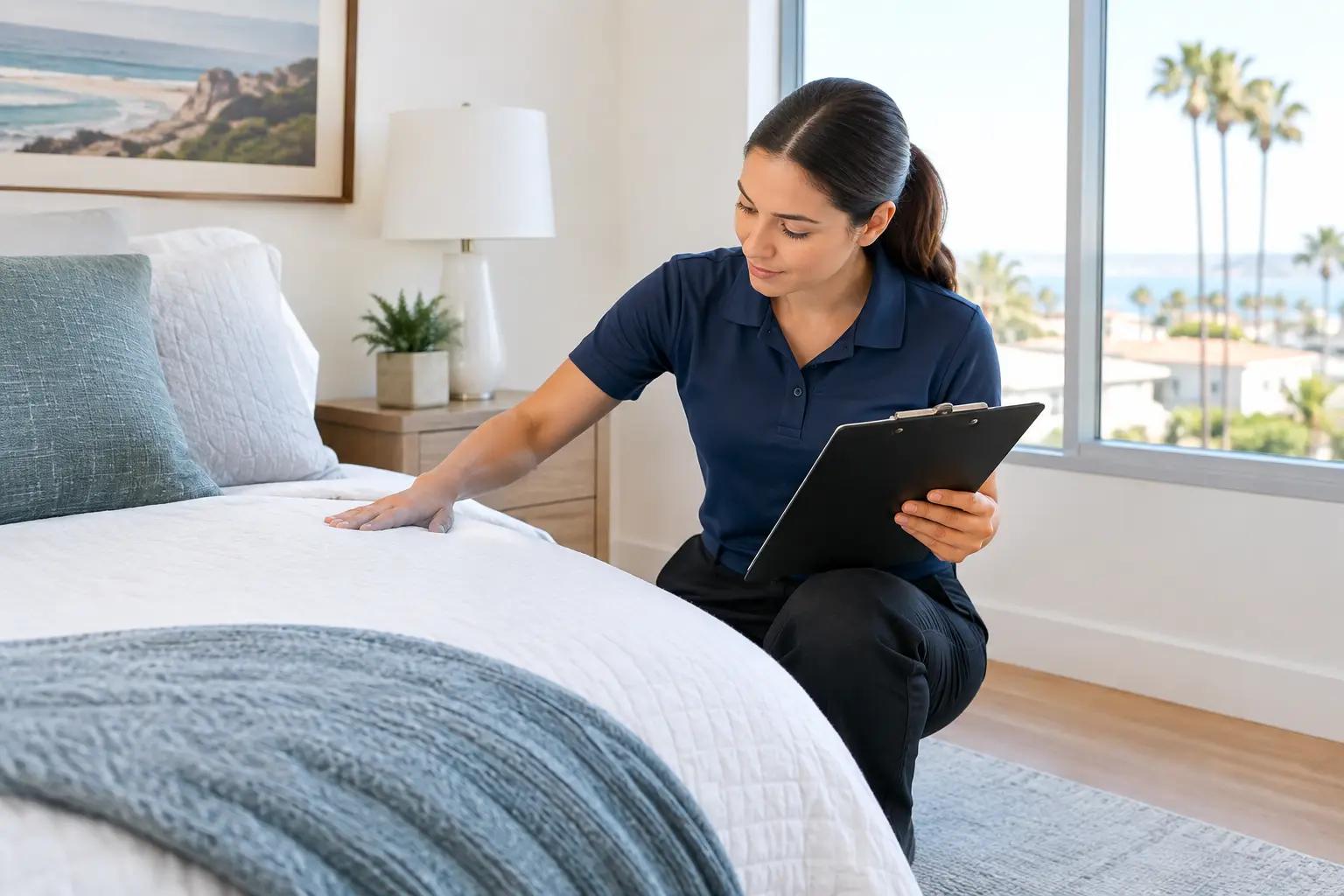
    Clean modern apartment bathroom showing shower, vanity, and tile surfaces
    Bathroom count, buildup, and requested detail work can affect an apartment cleaning estimate.

    What a clear quote should include

    A useful quote should make it easy to understand what is being purchased. Before agreeing to service, look for these details:

    • Cleaning type: standard, recurring, deep, move-in, or Move Out Cleaning.
    • Rooms and areas: bedrooms, bathrooms, kitchen, living areas, floors, and any spaces excluded from service.
    • Included tasks: a written checklist or clear description of the base scope.
    • Add-ons: separately identified optional work and its effect on the estimate.
    • Pricing method: whether the quote is flat-rate, hourly, or subject to an on-site condition review.
    • Access and parking: gate instructions, elevator timing, parking limitations, and building rules that could affect arrival or setup.
    • Scheduling terms: cancellation, rescheduling, arrival window, and recurring frequency.
    • Company details: contact information, service policies, and the process for reporting an issue.

    When comparing providers, compare the included scope—not just the total. A lower estimate can represent fewer tasks, less time, or different policies. A complete quote reduces ambiguity before the cleaning begins.

    How to keep costs predictable

    You do not need to pre-clean for a cleaning service, but a few practical steps can make the requested scope clearer.

    1. Describe the space accurately. Provide square footage when known, along with bedroom and bathroom count.
    2. Choose the right service type. Do not book routine maintenance when the apartment needs a detailed reset.
    3. List priority tasks. Identify the surfaces or rooms that matter most before the estimate is prepared.
    4. Separate add-ons from essentials. Decide which occasional tasks need to happen now and which can wait.
    5. Reduce access uncertainty. Share gate, elevator, parking, pet, or key instructions in advance.
    6. Review the recurring option. If consistent upkeep is the goal, compare a maintenance schedule with repeated one-time visits.

    These steps do not guarantee a lower price. They help the company quote the actual job and reduce the chance that important work was left out of the estimate.

    Choosing an apartment cleaning service

    Price matters, but it should sit beside clarity, reliability, and accountability. Ask who will perform the work, whether the company is insured, how the scope is documented, and what happens if an agreed task is missed.

    Also confirm that the service actually matches the apartment’s needs. A detailed checklist, clear communication, and a reachable company contact are more useful than vague promises. Review policies before booking, especially for access, pets, cancellations, and special surface instructions.

    For Orange County service, SRS Cleaning provides house cleaning options that include recurring, deep, and move-related cleaning. The quote process is the right place to confirm current availability and the exact apartment scope.

    Apartment cleaning cost FAQ

    Is apartment cleaning always cheaper than house cleaning?

    No. A smaller floor plan may reduce the amount of space, but condition, bathroom count, kitchen detail, add-ons, and service type can outweigh size alone. The requested work determines the quote.

    Does recurring cleaning cost less per visit?

    Some providers price recurring work differently because the scope becomes more predictable, but policies vary. Ask for both the first-visit estimate and the ongoing rate rather than assuming they are the same.

    Is deep cleaning included in a standard quote?

    Not necessarily. Standard and deep cleaning commonly have different checklists. Confirm which detail tasks are included before comparing prices.

    Should national cost ranges be used as a local quote?

    No. National ranges are planning references drawn from multiple markets and providers. A current Orange County quote should reflect the actual space and requested service.

    What information helps produce an accurate estimate?

    Share the apartment size, bedroom and bathroom count, current condition, flooring, pets, desired frequency, access details, and any add-ons or priority tasks.

    Get a clear apartment cleaning quote

    The best apartment cleaning cost estimate is specific enough to be useful. If you are comparing standard, recurring, deep, or Move Out Cleaning in Orange County, describe the space and desired scope so the quote reflects the work that matters.

    SRS Cleaning can review those details and provide a no-pressure estimate. Request an apartment cleaning quote or call (714) 439-8500 to discuss the service.

  • Professional Cleaning Versus DIY Cleaning

    Professional Cleaning Versus DIY Cleaning

    A Saturday can disappear quickly: a grocery run, kids’ activities, laundry, errands, and then the cleaning you meant to finish last weekend. That is where professional cleaning versus DIY cleaning becomes a practical decision, not simply a question of who can wipe a counter or run a vacuum. The right choice depends on your schedule, the condition of the space, your standards, and how much of your limited free time you want to spend cleaning.

    DIY cleaning has a real place in a well-kept home or office. Professional service has a real purpose, too. Knowing when each approach makes sense can help you keep your space clean without adding unnecessary stress.

    Professional Cleaning Versus DIY Cleaning: The Real Difference

    The biggest difference is not whether the work gets done. It is the level of time, planning, consistency, and detail required to get it done well.

    With DIY cleaning, you control the schedule, products, and priorities. You can clean the bathroom sink after getting ready, vacuum the living room before guests arrive, or tackle the refrigerator when you have an open afternoon. For many households, these small, routine tasks are manageable and help maintain order between deeper cleans.

    Professional cleaning brings a defined process and a dedicated appointment. Instead of fitting cleaning around everything else, the cleaning is already on the calendar. A trained team arrives with a plan, works through the agreed scope, and focuses on the areas that often get postponed when time is short: baseboards, shower buildup, kitchen grease, dust on overlooked surfaces, and floors throughout the home.

    Neither option is automatically better in every situation. A small apartment occupied by one person with a flexible schedule may be easy to maintain independently. A busy household in Irvine, a rental turnover in Huntington Beach, or an office that sees daily traffic may benefit far more from professional support.

    The True Cost Is More Than the Price Tag

    DIY cleaning often appears less expensive because you are not paying for labor. That can be true, especially for light upkeep. But the full cost includes supplies, equipment, replacement mop heads, vacuum maintenance, and the time you spend shopping, cleaning, and putting everything away.

    Time has value, particularly for working professionals, families, and property managers juggling multiple priorities. If a deep clean takes most of a weekend, the savings may not feel as meaningful as expected. It can also be frustrating to spend hours cleaning only to feel that the home still needs attention in a few days.

    Professional cleaning is an investment in both the space and your schedule. The price reflects trained labor, insured service, equipment, cleaning products, scheduling, and quality expectations. For recurring clients, it can also prevent buildup from becoming a larger, more time-consuming project later.

    The best comparison is not just, “Can I do this myself?” It is, “What does it take away from, and what result do I need?” If you enjoy cleaning and have time to do it thoroughly, DIY may be a strong fit. If cleaning regularly competes with rest, family time, work, or a move deadline, hiring help can be the more practical value.

    Results Depend on the Type of Cleaning Needed

    Daily and weekly maintenance is usually well suited to DIY cleaning. Wiping kitchen counters, loading the dishwasher, making beds, taking out trash, and quickly vacuuming high-traffic areas all make a noticeable difference. These habits help a professionally cleaned home stay fresh longer, too.

    Deep cleaning is different. It requires more time, more detailed work, and a systematic approach. Bathrooms need attention beyond the visible surfaces. Kitchens collect grease and crumbs in areas that are easy to miss. Dust settles on vents, trim, blinds, light fixtures, and the tops of cabinets. Floors may need more than a quick pass with a vacuum.

    This is where professional cleaning often delivers a clearer advantage. Cleaning teams are accustomed to working room by room and focusing on the details that create an overall sense of clean. They also arrive prepared to complete the job in a concentrated block of time rather than spreading it across several evenings.

    Move-in, move-out, and pre-sale cleaning are especially strong cases for professional service. When a lease inspection, showing, closing date, or tenant turnover is involved, cleaning is not just about comfort. It affects presentation, deadlines, and the next person’s first impression. A professionally managed cleaning appointment can remove one major task from an already crowded list.

    Consistency Matters More Than Perfection

    A home does not need to look untouched every hour of the day to be clean and comfortable. What most people want is a reliable baseline: bathrooms that feel fresh, kitchens that are ready to use, floors that are cared for, and living areas that do not create another item on the mental to-do list.

    DIY cleaning can create that baseline when everyone in the household participates and the routine is realistic. The challenge is that routines tend to slip during busy weeks, illness, travel, school events, or demanding work periods. A recurring cleaning service creates an external rhythm that helps prevent those gaps from turning into an overwhelming catch-up day.

    Trust, Safety, and Peace of Mind at Home

    Inviting anyone into your home or workplace requires trust. This is one reason some people prefer DIY cleaning: they know exactly who is in the space and which products are being used.

    A reputable professional cleaning company addresses that concern through clear communication, background-checked cleaners, licensed and insured operations, and a satisfaction-focused process. You should know what service you are booking, what areas are included, how to share priorities, and who to contact if something needs attention.

    For households with pets, children, allergies, or specific preferences, communication is essential. Professional service does not mean giving up control. It means setting expectations before the appointment so the team can work around your home’s needs. The same applies to offices, rental properties, and real estate listings where access instructions and timing need to be handled carefully.

    When DIY Cleaning Makes the Most Sense

    DIY cleaning is often the right choice when the space is already in good condition, the work needed is light, and you have enough time to keep up with it. It can also be useful between professional appointments. A quick reset after dinner, a load of laundry, and a few minutes spent tidying high-traffic rooms protect the clean feeling without requiring a major effort.

    It may also make sense when you want complete control over specialized products or have a very specific way of caring for delicate finishes. In those cases, consider reserving certain tasks for yourself while bringing in help for the rest of the home.

    The key is to be honest about the routine. If cleaning keeps moving to next week, the issue is not motivation. It may simply be that your schedule has outgrown the task.

    When Professional Cleaning Is Worth It

    Professional cleaning is often worth considering when cleaning creates ongoing stress, when the home needs a reset, or when an important transition is approaching. It is also a practical option for people who want a reliably polished environment without making cleaning their weekend project.

    Recurring service works well for busy families and professionals who want consistency. A one-time deep clean can be a helpful reset before starting a maintenance routine. Move-in and move-out cleaning supports renters and homeowners during a demanding transition. Office cleaning helps maintain a workplace that feels professional for employees, customers, and visitors.

    For Orange County property managers and real estate professionals, dependable scheduling can be just as valuable as the cleaning itself. Turnovers and listing preparation often involve several moving pieces. Having a cleaning team that communicates clearly and completes the agreed work helps keep the process calmer.

    A Balanced Approach Usually Works Best

    For many people, the most sustainable answer is not choosing one option forever. It is combining them. Use DIY cleaning for the everyday resets that keep your space functional, then schedule professional cleaning for recurring maintenance, seasonal deep cleaning, or moments when life becomes especially busy.

    That approach protects your time without asking you to ignore the small habits that make a home feel cared for. After a professional visit, a few simple routines can help extend the results: wipe spills promptly, keep clutter from building up, and give high-use areas a quick touch-up during the week.

    A cleaner home or office is not about chasing perfection. It is about creating a space that supports your life instead of adding to your stress. When cleaning starts taking more energy than it gives back, it may be time to let a trusted professional carry part of the load.

  • Rental Property Cleaning Orange County Made Easy

    Rental Property Cleaning Orange County Made Easy

    A rental can look empty and still feel unready. Dust on baseboards, fingerprints around light switches, soap residue in the shower, and crumbs in kitchen drawers all stand out when a new resident walks through the door. Professional rental property cleaning Orange County owners and managers can rely on helps turn that in-between stage into a home that feels cared for from the first step inside.

    For landlords, property managers, real estate professionals, and renters preparing to leave, turnover cleaning is more than a final chore. It protects the property’s presentation, reduces back-and-forth after move-out, and gives the next resident a better start. The right plan depends on the condition of the space, the turnover timeline, and what the lease requires.

    Why Rental Turnovers Need a Different Level of Cleaning

    Routine cleaning keeps a lived-in home comfortable. A turnover cleaning has a different job: it needs to reset the property. That means addressing the buildup that is easy to overlook during day-to-day life, from grease near the stove to dust behind doors and marks on cabinet fronts.

    A clean rental also shapes perception. Prospective tenants often make a quick judgment about how well a property has been maintained. A bright bathroom, clean floors, and a fresh kitchen suggest a landlord or manager who pays attention. On the other hand, a space that feels rushed can raise questions, even when the home itself is in good condition.

    For a renter, a thorough move-out clean can also make the handoff simpler. It supports a smoother final inspection and helps avoid disputes over ordinary cleaning expectations. It cannot repair damage or guarantee the return of a security deposit, but it can remove one common source of friction.

    What a Complete Rental Cleaning Should Cover

    The best scope starts with the property’s actual needs rather than a one-size-fits-all checklist. A lightly used condo after a short tenancy may need a detailed refresh. A family home after several years may need a deeper clean, especially in kitchens, bathrooms, and high-touch areas.

    Kitchen and bathroom details matter most

    These rooms carry the most visual weight during an inspection or showing. In the kitchen, the focus should include countertops, sinks, cabinet exteriors and interiors when empty, appliance exteriors, the stovetop, backsplash, and floor edges. If an oven or refrigerator interior needs attention, clarify that in advance so the cleaning team can plan for the extra time.

    Bathrooms deserve the same careful approach. Soap film, hard-water spots, toilet buildup, hair, and dust can make an otherwise clean room feel neglected. A detailed cleaning should leave fixtures, mirrors, counters, tubs or showers, and surrounding floors looking fresh and ready for the next resident.

    The rest of the home needs a true reset

    Throughout the rental, turnover cleaning commonly includes dusting reachable surfaces, wiping doors and trim, cleaning light switches, spot-cleaning interior glass, vacuuming carpets, and mopping hard floors. Closets, laundry areas, window sills, vents, and baseboards are easy to miss but can make a noticeable difference in a vacant home.

    Cleaning and repairs are separate tasks, even though they often happen during the same turnover. Nail holes, damaged blinds, worn carpet, paint touch-ups, pest issues, and maintenance concerns should be handled by the appropriate professional. Cleaning can make those items easier to identify, but it should not be expected to solve them.

    When to Schedule Rental Property Cleaning in Orange County

    Timing affects both the quality of the result and the stress level of the turnover. Whenever possible, schedule cleaning after the outgoing tenant has removed all belongings and after maintenance work that creates dust has been completed. Painters, flooring installers, and repair crews can leave fine debris behind, so cleaning too early may mean doing part of the job twice.

    For a same-day turnover, priorities matter. A professional team can focus on the rooms that drive move-in readiness first, typically kitchens, bathrooms, floors, and high-touch surfaces. If the home has heavy buildup or has been vacant for a long period, allowing more time is usually the better choice.

    Orange County rentals range from beach-adjacent homes that collect sand and salt air residue to inland apartments with dry dust and busy household wear. The right schedule is less about the ZIP code and more about occupancy, property condition, and the standard you want the next resident to experience.

    A Clear Scope Prevents Last-Minute Surprises

    Before booking a cleaning, gather the practical details: square footage, number of bedrooms and bathrooms, whether the unit is furnished or empty, pet history, and any appliances or areas needing special attention. Photos can be especially useful for a property manager coordinating a turnover from off-site.

    It also helps to define what “clean” means for the handoff. Lease requirements, owner expectations, and local market standards can vary. A move-out tenant may be responsible for a thorough general clean, while a property owner may want an additional deep cleaning before listing or move-in. Clear communication keeps everyone working from the same expectations.

    Ask whether the service includes inside cabinets, inside appliances, interior windows, blinds, wall spot cleaning, or carpet treatment. These are common areas of confusion because they may require extra time or a separate service. Knowing the scope before the appointment is more helpful than finding out on inspection day.

    Why Professional Cleaning Helps Property Managers Stay on Schedule

    Turnovers often involve several moving parts: keys, inspections, repairs, vendor access, marketing photos, and a new lease date. Cleaning should reduce that workload, not add to it. A dependable cleaning partner brings a defined process, clear communication, and a team that arrives prepared to complete the agreed work.

    For busy managers and owners, professional service also creates consistency across multiple units. Instead of relying on whoever is available between tenants, you can establish a standard for kitchens, bathrooms, floors, and finishing details. That consistency is valuable when you manage homes in different parts of Orange County or need a unit ready for a showing on short notice.

    Trust matters just as much as speed. Rental properties may be vacant, contain owner belongings, or require access while other vendors are on-site. Choosing a licensed and insured provider with background-checked cleaners gives owners and managers more confidence during a busy transition.

    SRS Cleaning works with Orange County clients who want that process to feel straightforward: clear scheduling, detail-oriented service, and communication from quote to completion. Whether the property is a single apartment turnover or part of an ongoing portfolio, the goal is the same – a clean space that is easier to hand off with confidence.

    How to Prepare the Property Before the Cleaning Team Arrives

    A little preparation helps the appointment stay focused on cleaning rather than logistics. Make sure personal belongings, trash, and unwanted furniture have been removed. Empty cabinets and drawers if you want their interiors cleaned, and confirm that water and electricity are active. If the property is gated, provide access instructions early.

    For an owner or manager, it is also wise to complete a pre-clean walkthrough. Take note of repairs, existing damage, and items that need special attention. This separates cleaning needs from maintenance needs and gives you a more accurate picture of the unit before the final inspection.

    If you are a renter, take your own photos after cleaning and before returning keys. They create a clear record of the condition you left behind. Again, photos do not replace lease obligations, but they can make the final conversation easier.

    The Goal Is a Better Handoff, Not Just a Cleaner Room

    A rental turnover is one of the few moments when a property gets a full reset. Done well, cleaning supports faster showings, a more welcoming move-in, and fewer details left for someone else to handle. It is a practical investment in the experience of everyone involved.

    When the next resident opens the door, they should notice the home, not the last tenancy. Plan the cleaning early, set a clear scope, and give the property the fresh start it deserves.

  • How to Get Dog Smell Out of House Without Masking It

    How to Get Dog Smell Out of House Without Masking It

    If you are wondering how to get dog smell out of house without simply covering it up, start with the places where odor actually settles. Dog smell can linger even after a room looks clean because odor often sits in soft fabrics, floor edges, pet bedding, entry mats, upholstery, and the places where oils, saliva, dander, and moisture collect. The best approach is not to cover the smell with fragrance. It is to find the source, clean the material holding the odor, improve airflow when conditions allow, and use cleaning products only according to their labels.

    This guide explains how to get dog smell out of the house with a practical room-by-room plan. It focuses on source removal, washable items, floors, upholstery, ventilation, and safe product use. When the odor is part of a larger cleaning reset, SRS Cleaning Services can help with House Cleaning, Deep Cleaning, and recurring cleaning routines across Orange County.

    Related SRS resources: For cleaning help beyond odor control, compare House Cleaning, Deep Cleaning, Recurring Cleaning, and the house cleaning maintenance schedule.

    Fresh clean living room with washable textiles and hard floors after dog odor cleaning.

    Why dog smell lingers

    Dog odor usually lasts because the source is still present somewhere in the space. Soft materials can hold oils, dander, dried saliva, and moisture. Floors and baseboards can collect dust, hair, and residue along edges. Entry areas can trap outdoor soil, damp paw prints, and odor from frequently used mats. A room may look neat while the odor source remains in textiles or porous surfaces.

    Air fresheners, candles, and heavy fragrances may make a room smell different for a short time, but they do not remove the material causing the odor. The EPA describes source control as an important part of improving indoor air quality, and ventilation can help remove or dilute indoor pollutants when outdoor conditions are appropriate (EPA indoor air quality guidance). For dog smell, that means cleaning the source first and using fresh air as support, not as the whole solution.

    Find the source before you clean

    Start with the areas that carry the most contact: dog beds, blankets, sofa throws, rugs, favorite resting spots, entry mats, baseboards near feeding areas, and carpet or upholstery where accidents may have happened. Work from soft surfaces to hard surfaces. If one room smells stronger than the others, check the textiles and floor edges there before cleaning the whole house.

    A simple source check prevents wasted effort. Remove washable items from the room, open them up so they are not folded around odor, and smell the room again after ten or fifteen minutes. If the room improves quickly, laundry is probably the first priority. If the smell remains strongest near one rug, corner, crate area, or upholstered seat, treat that area separately.

    • Check pet bedding, removable covers, blankets, and washable throws.
    • Inspect rugs, carpet edges, sofa cushions, and furniture seams.
    • Look around baseboards, doors, feeding areas, and entry mats.
    • Clean dried spills or accident spots before general deodorizing.
    • Use a flashlight along floor edges where hair and dust collect.

    Wash fabrics that hold odor

    Washable fabrics are often the fastest win. Launder removable bed covers, blankets, washable throws, cushion covers that are safe to wash, and towels used near doors. Follow the fabric-care label, because heat, bleach, or the wrong cycle can damage some materials. For fabrics that cannot be machine washed, vacuum thoroughly and follow the manufacturer’s upholstery-care instructions before applying any cleaner.

    Regular grooming also reduces what settles into the home. The American Kennel Club notes that brushing removes dirt, debris, loose hair, and dandruff while helping distribute natural oils through the coat (AKC dog grooming guidance). This does not replace cleaning, but it can reduce the amount of hair and dander that reaches floors, bedding, and furniture.

    Dog odor cleaning setup with washable pet bed cover, microfiber cloths, and entry mat.

    Clean floors, baseboards, and entry areas

    Hard floors are easier to reset than carpet, but they still need detail. Vacuum or sweep first so hair and grit do not turn into a damp film when mopping. Then clean with a product appropriate for the floor type. Avoid soaking laminate, engineered wood, or hardwood. Use a slightly damp mop or cloth, work in small sections, and dry any areas where moisture sits too long.

    Baseboards matter because hair, dust, and odor residue collect along room edges. Wipe baseboards, corners, lower door frames, and the floor line near feeding areas. Entry mats should be vacuumed, shaken outside when appropriate, and washed or replaced when they hold odor. If outdoor moisture or sand comes in regularly, a washable indoor mat near the door can reduce what spreads across the room.

    For a broader maintenance rhythm, the SRS guide to a house cleaning maintenance schedule can help turn these tasks into a repeatable weekly plan.

    Treat carpet and upholstery carefully

    Carpet and upholstery need more patience because odor can move below the visible surface. For fresh accident spots, blot first instead of scrubbing. Bissell’s pet urine cleaning guidance recommends blotting, testing the cleaner in a hidden spot, and using an enzymatic cleaner according to directions for pet urine odor on carpet (Bissell pet urine carpet guidance). Scrubbing can spread residue deeper into fibers, so slow pressure with clean towels is usually safer than aggressive rubbing.

    Product labels matter. OxiClean’s pet stain and odor remover directions say to test a hidden carpet area for colorfastness and note that the product should not be used on wool, leather, or silk (OxiClean product directions). Rocco & Roxie’s stain and odor instructions also call for testing an inconspicuous area before use and giving the product time to sit before drying and vacuuming (Rocco & Roxie instructions). These examples are not endorsements; they show why the label should guide contact time, surface compatibility, and drying.

    If a rug, carpet pad, subfloor, or upholstery cushion has absorbed old urine or moisture, surface cleaning may not fully solve the odor. Repeated smell from the same location can mean the source is below the surface. In that case, professional carpet, upholstery, flooring, or restoration guidance may be needed before the room will smell clean again.

    Use airflow without hiding the problem

    Fresh air helps after odor sources are cleaned. The EPA explains that opening windows and doors, using fans that exhaust outdoors, and increasing outdoor ventilation can help remove or dilute indoor airborne pollutants when weather and outdoor air conditions allow (EPA ventilation guidance). Use ventilation during and after cleaning, especially when cleaning products are in use.

    Air cleaners may help with particles such as dust and dander, but they are not a substitute for cleaning the source. EPA guidance notes that the long-term performance of an air cleaner depends on maintaining it according to the manufacturer’s directions (EPA air cleaners and filtration guidance). Replace or clean filters on schedule, and do not expect a small air cleaner to fix odor trapped in bedding, rugs, or carpet padding.

    Choose products safely

    Use the mildest product that fits the surface and the mess, and always follow the label. CDC guidance for cleaning and disinfecting warns not to mix cleaning or disinfecting products, to use good ventilation indoors, and to keep chemicals out of reach of children and pets (CDC cleaning and disinfecting safety guidance). The same CDC guidance also says not to wipe or bathe pets with disinfection products.

    When using products that emit odors or vapors, the EPA advises increasing ventilation, following label precautions, using household products according to manufacturer directions, and never mixing household care products unless directed on the label (EPA VOC and product-use guidance). If a product is meant for carpet, do not assume it belongs on wood, leather, wool, stone, or delicate fabric.

    The EPA Safer Choice product search can help identify cleaning products that meet the Safer Choice Standard (EPA Safer Choice product search). That label does not mean a product can be used anywhere or in any amount. It still needs to be used as directed, on compatible surfaces, with proper storage and ventilation.

    Floor and baseboard cleaning supplies for removing dog smell from entry areas.

    Build a routine that keeps odor from returning

    Once the house smells fresh again, the maintenance plan should be simple enough to repeat. Focus on the places where odor starts: bedding, favorite resting spots, entry areas, floors, baseboards, trash, and washable textiles. A short routine is better than a complicated checklist that gets skipped.

    Area Helpful routine Why it helps
    Dog bedding and throws Wash removable covers and rotate clean extras Removes odor from the fabric source
    Floors and baseboards Vacuum first, then damp-clean with a surface-safe product Removes hair, dust, and residue along edges
    Entry mats Vacuum, shake outside when appropriate, and wash if compatible Stops outdoor soil and damp odors from spreading
    Carpet or upholstery spots Blot, test, apply the correct cleaner, and dry fully Prevents residue from settling deeper

    For a practical supply setup, the SRS article on cleaning supplies for pet-friendly spaces explains which everyday tools are useful for fur, floors, washable textiles, and quick resets.

    When a deeper cleaning reset helps

    A deeper cleaning reset helps when odor is spread across several rooms, when soft surfaces and floor edges have not been detailed in a while, or when regular upkeep is taking more time than expected. The most useful reset usually includes vacuuming edges, cleaning baseboards, wiping lower doors and trim, washing compatible textiles, cleaning entry areas, and giving floors a surface-appropriate clean.

    SRS Cleaning Services can help reset the home and then keep the routine easier with Deep Cleaning or Recurring Cleaning. If the odor is tied to carpet padding, subfloor damage, mold, biohazards, or a strong animal-waste issue beyond ordinary cleaning, the safer next step is a qualified specialist for that material or hazard before routine cleaning continues.

    Dog smell cleaning FAQ

    What removes dog smell from a house fastest?

    Remove the main odor sources first: washable bedding, blankets, entry mats, rugs, floor edges, and any accident spots. Then clean surfaces, dry them fully, and ventilate when outdoor conditions are appropriate. Fragrance alone may make the room smell different, but it will not remove the source.

    Should disinfectant be used for dog smell?

    Usually, dog smell is a cleaning and odor-source problem, not a reason to disinfect every surface. If disinfecting is needed for a specific situation, clean the surface first and follow the product label for contact time, ventilation, and compatible surfaces. Do not use disinfectants on pets.

    Do enzyme cleaners work on dog urine smell?

    Enzymatic cleaners are commonly used for pet urine odor on compatible carpet and upholstery, but the product directions control how they should be applied, how long they should sit, and which surfaces to avoid. Always test a hidden area first.

    Why does the smell come back after cleaning?

    The source may still be below the surface, especially in carpet padding, upholstery foam, rug backing, or floor edges. It can also return if items are cleaned but not dried fully. Track the strongest odor point before repeating the same general cleaning routine.

    Dog smell is easier to solve when the plan starts with source removal instead of cover-up. Wash what can be washed, clean floors and baseboards carefully, treat carpet and upholstery according to the label, use airflow as support, and keep the routine simple. For help with a deeper reset or recurring cleaning in Orange County, start with the SRS cleaning quote page.

  • Best Supplies for Pet Homes That Stay Clean

    Best Supplies for Pet Homes That Stay Clean

    A dog shaking off after a walk or a cat leaving a trail from the litter box can turn a freshly cleaned room into a new project in seconds. The best supplies for pet homes do not need to fill an entire closet. A few dependable, pet-safe tools can make daily upkeep faster, protect your furniture and floors, and keep your home feeling comfortable for everyone who lives in it.

    The goal is not a spotless home at every moment. It is a space that is easy to reset. The right supplies help control fur before it gathers in corners, treat accidents before they become lingering odors, and clean the areas pets use most. For odor-specific guidance, use the SRS guide on how to get dog smell out of house without masking the source.

    Best Supplies for Pet Homes: Start With the Everyday Basics

    A practical pet-home cleaning kit begins with tools you will actually reach for during a busy week. Keep them together in a small caddy or under-sink bin so a quick cleanup does not turn into a search through cabinets.

    A good cordless vacuum or lightweight stick vacuum is often worth the investment for homes with shedding pets. Look for a model with a motorized brush roll, a crevice tool, and a filter designed to capture fine dust and dander. If your home has mostly hard floors, a vacuum that transitions easily from rugs to tile or wood can save time. For thick carpeting or several large dogs, a more powerful upright may be the better choice, even if it takes up more storage space.

    Microfiber cloths are another quiet workhorse. They pick up dust, paw prints, dried drool, and loose hair without leaving lint behind. Keep separate cloths for pet bowls, counters, and bathroom or floor cleanup. A simple color-coding system helps prevent cross-contamination and makes laundry easier.

    A washable, high-absorbency mop pad is especially useful for Orange County homes with tile, laminate, or engineered wood floors. It handles wet paw prints and everyday grime without the waste of disposable pads. Use a cleaner that is appropriate for your flooring, and avoid soaking wood or laminate surfaces, where excess moisture can cause damage over time.

    For quick fur removal, a reusable rubber broom or silicone squeegee can be surprisingly effective on rugs, upholstery, and carpeted stairs. The rubber creates friction that gathers embedded pet hair into easy-to-remove clumps. It is not a replacement for vacuuming, but it works well before a deeper clean and in areas where the vacuum head cannot reach.

    Odor Control Depends on the Source

    Pet odors are rarely solved by fragrance alone. Sprays and candles may cover a smell temporarily, but they cannot remove the material causing it. The most useful supply for urine, vomit, and other organic messes is an enzyme cleaner made specifically for pet stains.

    Enzymes break down the proteins and compounds left behind by biological stains. That matters because even when a spot looks clean, residue can remain in carpet fibers, grout lines, upholstery, or the padding beneath a rug. Pets can often smell what people cannot, which may lead them back to the same location.

    Follow the product instructions closely. Many enzyme cleaners need time to remain damp on the affected area before they can work effectively. Blot fresh accidents first rather than rubbing them deeper into the fabric. For older stains, you may need more than one application, particularly on carpet or a fabric sofa.

    A small portable upholstery and carpet extractor can be helpful in homes with puppies, senior pets, or recurring accidents. It is not essential for every household, but it can be a sensible purchase when professional carpet cleaning is needed more often than you would like. Test any cleaner in an inconspicuous spot first, especially on delicate rugs and upholstery.

    Litter boxes require a different approach. Use a scoop that is sturdy enough for daily use, unscented litter if your cat is sensitive to fragrance, and a washable litter mat to catch tracking. A covered box can reduce visual clutter, but it is not always the best option for every cat. Some cats prefer open boxes, and poorly ventilated covered boxes may concentrate odors if they are not cleaned consistently.

    Protect High-Traffic Pet Areas Before They Get Dirty

    The easiest mess to clean is the one that does not reach your sofa, bed, or floors in the first place. Washable pet blankets, furniture covers, and durable entry mats are practical supplies, not signs that your home is off-limits to your pet.

    Choose machine-washable throws for the spots your dog or cat uses most. Keep at least two on hand so one can be in the wash while the other stays in place. For furniture covers, fit matters more than appearance alone. A cover that slips and bunches will be frustrating to use and less likely to stay on the furniture.

    At entry doors, use an absorbent indoor mat along with a more durable outdoor mat. This setup catches dirt before it reaches the living room and gives you a designated place to wipe paws after walks. A small basket nearby with a towel, pet-safe wipes, and a brush makes the routine easier to maintain.

    Pet-safe wipes are convenient for a quick paw cleanup, but they should not replace bathing or regular grooming when a pet is truly dirty. Select wipes without harsh fragrance, alcohol, or ingredients that could irritate skin. If your pet has allergies or a skin condition, ask your veterinarian which products are appropriate.

    Build a Pet Cleaning Kit That Works for Your Home

    The best setup varies by pet, floor type, and schedule. A one-cat apartment may only need a lint tool, a compact vacuum, microfiber cloths, and litter supplies. A busy household with two dogs, carpeted bedrooms, and kids coming in from sports will benefit from a stronger vacuum, entryway mats, enzyme cleaner, and washable textiles.

    For most homes, these supplies cover the messes that come up most often:

    • A vacuum with a pet-hair attachment and a cleanable filter
    • Microfiber cloths reserved for pet-related cleanup
    • A pet-specific enzyme cleaner for accidents and odors
    • Washable mop pads and a floor-safe cleaner
    • A reusable lint roller, rubber broom, or upholstery brush
    • Washable throws or furniture covers for favorite pet spots
    • Absorbent doormats, a paw towel, and pet-safe wipes
    • A sealed container for dry food and a mat beneath food and water bowls

    Food and water areas deserve more attention than they usually get. A waterproof mat protects floors from splashes and makes daily wiping simple. Wash bowls regularly with hot, soapy water, and fully dry them before refilling. Stainless steel and ceramic bowls are generally easier to keep clean than scratched plastic, which can hold onto odors and residue.

    Keep Cleaning Products Safe Around Pets

    Natural does not automatically mean pet-safe, and strong fragrance does not mean a product is cleaning better. Pets spend more time close to floors and may lick paws after walking across recently cleaned surfaces. Use products according to their labels, keep pets out of the area until surfaces are dry, and store cleaners securely.

    Never mix cleaning chemicals. Combining products such as bleach and ammonia can create dangerous fumes. Essential oils also need care around animals, particularly cats, birds, and small pets, which may be more sensitive to certain ingredients. When you are unsure, choose a product labeled for homes with pets and confirm it is suitable for the surface you are cleaning.

    Regular grooming supports a cleaner home, too. Brushing pets outdoors or in one easy-to-clean area can reduce the amount of fur that reaches furniture and vents. Clean washable bedding regularly, and do not overlook pet crates, carriers, and the baseboards around feeding and sleeping areas.

    A Cleaner Home Without Giving Up Your Weekend

    Pet messes are part of sharing a home with an animal you love. The difference is having a simple system ready before a spill, shedding season, or muddy walk creates a larger problem. A few well-chosen supplies, used consistently, can reduce the daily scramble and make your home feel more settled.

    When fur, odors, and high-traffic floors start demanding more time than you have, professional recurring or deep cleaning can help restore the reset that busy pet households need. SRS Cleaning helps Orange County households maintain a cleaner, calmer space, so you can spend less of your free time chasing pet hair and more time enjoying the company that put it there.

  • Apartment Cleaning That Makes Life Feel Lighter

    Apartment Cleaning That Makes Life Feel Lighter

    The kitchen counter becomes a drop zone, laundry waits in a chair, and dust shows up just when you finally have a free hour. Apartment cleaning can feel surprisingly constant, even in a smaller home. The goal is not to keep every surface perfect at all times. It is to create a clean, comfortable space that supports your routine instead of adding another task to your mental list.

    The most useful approach combines a realistic maintenance routine with occasional deeper attention. When a move, lease inspection, or Move Out Cleaning need is involved, professional help can also protect time and help the space show its best.

    Why Apartment Cleaning Feels Different

    A smaller footprint does not always mean less work. Apartments often have compact kitchens and bathrooms that see a lot of daily use, limited storage, and open living areas where clutter is always visible. In a larger house, a pile of mail can disappear into a spare room. In an apartment, it tends to stay right in the middle of life.

    Shared walls and common areas can add another layer. Cooking odors linger, pet hair travels, and dust can build quickly near windows, patios, and high-traffic entryways. If you work from home, the same few rooms may serve as office, dining room, gym, and place to unwind. That makes a clean environment feel less like a luxury and more like a way to reset.

    The right standard depends on your household. A one-bedroom occupied by a single professional needs a different routine than a two-bedroom with children, pets, or frequent guests. Consistency matters more than an ambitious plan that is impossible to maintain.

    A Practical Apartment Cleaning Routine

    The easiest routine is built around what gets dirty fastest. Rather than saving every task for one exhausting Saturday, keep the basics moving throughout the week and reserve deeper work for a scheduled cleaning day.

    Handle the daily reset

    A 10- to 15-minute reset can change how an apartment feels by the end of the day. Put dishes in the dishwasher or wash them, wipe kitchen spills before they harden, clear food from counters, and return the living room to its usual order. A quick sweep around the dining area or entry can also keep grit from spreading across hard floors.

    This is not a full clean. It is a way to prevent tomorrow’s cleaning from becoming harder than it needs to be. If more than one person lives in the home, assign simple responsibilities that fit naturally into each person’s routine.

    Give weekly attention to bathrooms and floors

    Bathrooms and floors usually deserve the most regular focus. Clean and disinfect the toilet, sink, fixtures, and frequently touched handles. Wipe the mirror, remove hair from drains, and replace used towels. In the kitchen, clean the sink, wipe appliance exteriors, sanitize counters, and check the refrigerator for forgotten food.

    Vacuum rugs and carpeted areas, then sweep and mop hard floors as appropriate for the material. Orange County apartments often bring in fine dust, sand, and outdoor debris, especially near beaches, patios, and busy walkways. Regular floor care helps the home look cleaner and can reduce the grit that collects in corners.

    Schedule monthly detail work

    Monthly cleaning is where many apartments begin to feel truly refreshed. Dust baseboards and ceiling fans, wipe light switches and door handles, clean inside the microwave, and vacuum upholstered furniture. Wipe cabinet fronts and clean around the trash can, where small spills often go unnoticed.

    Choose one or two deeper tasks each month rather than attempting everything at once. You might clean the refrigerator one month, wash shower curtains the next, and tackle window tracks after that. This approach is more sustainable, particularly when work, school, or family schedules are full.

    The Apartment Cleaning Tasks People Often Miss

    A clean-looking apartment can still hold dust, residue, and odors in overlooked places. These details make a noticeable difference during a deep cleaning, before hosting guests, or when preparing for a move.

    Start with the areas that are touched often but cleaned less frequently: remote controls, light switches, cabinet pulls, doorknobs, and the handles on appliances. Then look upward and downward. Ceiling fan blades, vents, baseboards, and the narrow gaps beside appliances collect more than most people expect.

    The kitchen needs special attention because grease can settle beyond the stovetop. Wipe the hood exterior, backsplashes, cabinet faces near the range, and the top of the refrigerator. In the bathroom, focus on soap buildup around fixtures, the shower door tracks, tile grout, and the outside of the toilet base. These are the places that can make an otherwise clean room feel unfinished.

    Odor control also deserves a practical approach. Empty trash regularly, wash towels and bedding on schedule, clean drains as needed, and avoid masking persistent odors with strong fragrances. If an odor returns quickly, the source may be old food, a damp bath mat, pet areas, or residue in a garbage disposal.

    When to Clean Yourself and When to Bring in Help

    Routine upkeep is often manageable when you have a dependable system. A few minutes each day and a focused weekly clean can keep an apartment comfortable. But certain situations call for more time, equipment, or attention to detail than a typical weekend allows.

    A deep cleaning is a good choice after a busy season, before visitors arrive, or when the home has slipped beyond normal maintenance. Move-in and move-out cleaning are especially different from a standard weekly service. Empty cabinets, appliance interiors, blinds, baseboards, and the spaces behind furniture all become part of the job. For renters, this can help create a stronger impression during a final walkthrough, although cleaning alone does not guarantee a deposit return because lease terms and property condition still matter.

    Property managers and real estate professionals also face a tighter timeline. An apartment turnover needs to look clean, cared for, and ready for the next resident without creating delays between occupants. In those situations, a reliable cleaning team can provide consistency and clear communication when schedules are already moving quickly.

    Professional apartment cleaning is not just for major transitions. It can be a practical recurring service for households that would rather spend their free time outside the home than catching up on floors, bathrooms, and dusting. The value depends on your schedule, budget, and standards, but reliable service can reduce the stress of always feeling one cleaning session behind.

    How to Prepare for a Better Cleaning Visit

    You do not need to pre-clean before professional cleaners arrive. That defeats the purpose. A little preparation, however, allows the team to spend more time on actual cleaning instead of trying to determine where items belong.

    Put away confidential documents, valuable jewelry, medications, and anything fragile or especially personal. Clear major clutter from floors and counters if possible, and make sure cleaners can access the home, parking, and any building entry instructions. If there are rooms you do not want cleaned, pets that need special consideration, or surfaces that require a particular product, share that information before the appointment.

    For a move-out service, remove all personal belongings first unless another arrangement has been made. Cleaning around boxes and furniture limits access to the areas that matter most for a final walkthrough. Clear expectations help everyone avoid surprises.

    A Calmer Home Is a Useful Home

    Apartment cleaning should make daily life easier, not become another source of pressure. Start with the rooms that affect your routine most, maintain them with small resets, and schedule deeper work before it becomes overwhelming. A home can be lived in and still feel cared for.

    When your calendar is crowded or your apartment needs a more thorough refresh, SRS Cleaning offers dependable, detail-oriented service for Orange County apartments and other living spaces. If you are comparing service options, this guide to apartment cleaning cost explains what shapes a quote. A cleaner space gives you back more than a polished kitchen or freshly vacuumed floor. It gives you room to breathe when you walk through the door.

  • Pre-Listing Cleaning Checklist to Prepare a Home for Showings

    Pre-Listing Cleaning Checklist to Prepare a Home for Showings

    A good pre-listing cleaning checklist helps a space look brighter, calmer, and easier to evaluate before photos, showings, walkthroughs, or an open house. The goal is not to make a property look unrealistic. The goal is to remove the small distractions that pull attention away from the room itself: dusty baseboards, cloudy mirrors, greasy appliance fronts, fingerprints on doors, window-track buildup, dull sinks, and cluttered surfaces.

    This guide keeps the work practical. It separates cleaning from staging, explains where disinfecting is useful, and gives a room-by-room checklist you can follow before a listing goes live. For Orange County properties that need a deeper reset before photos or appointments, SRS Cleaning Services can help with Deep Cleaning, Move Out Cleaning, and general House Cleaning Services.

    Bright clean living room prepared for listing photos.
    Photo by Lotus Design N Print on Unsplash

    Why pre-listing cleaning matters

    Pre-listing cleaning matters because a clean room lets the eye focus on layout, light, storage, finishes, and condition. The National Association of Realtors describes staging as a process that can include cleaning, decluttering, repairing, depersonalizing, and updating a home so people can better picture the space for themselves (NAR staging overview). NAR also reports that many agents see staging influence how buyers visualize a property, while seller-side agents often connect staging with shorter market time or stronger presentation outcomes (2025 Profile of Home Staging).

    Cleaning is the foundation underneath all of that. Fresh pillows and attractive furniture cannot hide dusty vents, fingerprints around switches, sticky cabinet pulls, or a cloudy shower door. A pre-listing clean should make the property feel cared for without making exaggerated claims about condition. It is especially useful before professional photos because cameras often catch streaks, floor debris, hard-water spots, and reflective-surface smudges that are easy to miss in person.

    Cleaning vs. staging vs. disinfecting

    Cleaning, staging, and disinfecting are related, but they are not the same job. The CDC defines cleaning as using water, soap, and scrubbing to remove germs, dirt, and impurities from surfaces; disinfecting uses chemical products to kill remaining germs on surfaces after cleaning (CDC cleaning and disinfecting definitions). For most pre-listing prep, routine cleaning is the main priority. Disinfecting is most useful for bathrooms, kitchen touch points, trash areas, and other high-touch surfaces when there is a reason to do so.

    Always follow the product label. The CDC warns never to mix bleach or disinfectants with other cleaners because dangerous vapors can be released (CDC bleach safety guidance). The CDC also recommends cleaning surfaces with soap and water before disinfecting when disinfecting is needed (CDC home cleaning and disinfecting guidance). For product selection, the EPA Safer Choice program helps identify products whose ingredients have been reviewed for safer chemistry while still being designed to perform (EPA Safer Choice).

    Pre-listing cleaning supplies

    Use a simple kit instead of collecting too many products. A practical pre-listing kit may include microfiber cloths, a vacuum with attachments, a mop appropriate for the floor type, glass cleaner, mild all-purpose cleaner, bathroom cleaner, non-scratch pads, trash bags, gloves, and fresh towels for finishing. For any cleaner, check the label for intended surfaces, ventilation, dwell time if disinfecting, storage, and safety precautions.

    Avoid applying harsh products to natural stone, unsealed wood, specialty tile, stainless steel, or delicate fixtures unless the label confirms compatibility. When in doubt, test a hidden area or use the manufacturer’s care instructions. The purpose is to improve presentation, not risk etching, discoloration, residue, or finish damage right before photos.

    Whole-home first pass

    Start with a fast whole-home reset before detailed cleaning. Remove trash, donation bags, extra packaging, old mail, loose cords, excess countertop items, and visible personal clutter. Put away laundry, shoes, toiletries, pet bowls, toys, and small appliances that are not needed for the showing. Open window coverings to see where dust, smudges, and floor debris show in natural light.

    Then work top to bottom. Dust ceiling fans, high corners, vents, light fixtures, picture frames, window sills, doors, and trim before cleaning floors. Wipe switch plates, door frames, doorknobs, stair rails, cabinet pulls, and appliance handles. These touch points are small, but they quietly shape the impression of care.

    Kitchen checklist

    Clean staged room with furniture arranged for listing presentation.
    Photo by Spacejoy on Unsplash

    The kitchen usually needs the most detail because counters, sinks, appliances, and cabinet fronts are heavily used and highly visible. Clear counters first. Leave only a few intentional items, then wipe the full counter surface, backsplash, outlet covers, and edges. Polish the sink and faucet, remove water spots, wipe the disposal rim where accessible, and clean the window or ledge above the sink.

    • Wipe cabinet and drawer fronts, especially near handles.
    • Clean the stovetop, control panel, range hood exterior, and microwave exterior.
    • Wipe refrigerator handles, dishwasher front, and oven door glass.
    • Remove crumbs from drawers and visible cabinet shelves if they will be opened.
    • Clean trash area, pantry floor, baseboards, and toe-kicks.
    • Finish with swept and mopped floors, paying attention to corners.

    If a property is vacant or needs a deeper presentation reset, appliance interiors, cabinet interiors, blinds, tracks, and baseboards can be folded into Move Out Cleaning or deep cleaning scope rather than rushed at the last minute.

    Bathroom checklist

    Bathrooms should look fresh, dry, and residue-free. Start by removing excess bottles, razors, cleaning products, bath mats, and personal items. Clean mirrors, counters, faucet bases, sinks, vanity fronts, towel bars, and switch plates. Scrub toilets, tubs, showers, glass doors, tile edges, and visible grout lines. Pay close attention to hard-water spotting on glass and chrome because it shows strongly under bathroom lighting.

    Use ventilation when cleaning bathrooms, follow product labels, and avoid mixing products. If there is mold-like growth, water damage, sewage backup, or a biohazard concern, ordinary cleaning is not the right solution. Those situations should be evaluated by qualified professionals or handled according to appropriate public-health and remediation guidance.

    Living areas, bedrooms, and hallways

    Living areas, bedrooms, and hallways should feel calm and easy to walk through. Dust horizontal surfaces, shelves, lamps, fans, vent covers, baseboards, window ledges, closet tracks, and door panels. Vacuum upholstery if needed, straighten cushions, and remove stray cords or crowded decor. In bedrooms, simplify nightstands, clear floors, and clean closet floors if storage areas may be opened.

    Hallways deserve more attention than they usually get. Fingerprints on walls, dusty baseboards, scuffed doors, and dirty return vents can make a clean property feel less maintained. Wipe what is visible at eye level and what is visible in photos: railings, light switches, trim, door handles, and the first few inches along baseboards where dust collects.

    Floors, windows, and light

    Floors and windows control much of the first impression. Vacuum carpets slowly, using edge tools along walls and thresholds. Mop hard floors with a product that matches the floor type and does not leave a sticky or cloudy residue. Avoid over-wetting wood or laminate. Clean interior glass, mirrors, and accessible window tracks, then check the room from several angles for streaks.

    Light is part of cleanliness. Open blinds, dust slats, wipe window sills, and replace obviously burned-out bulbs. Clean light switch plates and visible fixture covers. A room with clean glass, clean floors, and simple surfaces often feels larger and more inviting without needing heavy staging.

    Final showing-day reset

    Neutral clean living area ready for a listing walkthrough.
    Photo by Francesca Tosolini on Unsplash

    On showing day, do a short reset rather than a full cleaning session. Empty trash, wipe kitchen counters, dry sinks, close toilet lids, replace used towels, remove floor debris, straighten pillows, and check entry areas. Walk through with lights on and blinds open. Look at mirrors, appliance fronts, floors near doors, and the main photo angles. If something stands out immediately, handle that first.

    A final reset should be quick because the deep work has already been done. If the property is still occupied, a small daily routine helps keep the space ready between appointments: dishes away, counters cleared, bathroom surfaces dry, floors touched up, and clutter returned to storage.

    When to use professional cleaning

    Professional cleaning is useful when the property needs more than a light reset, when timing is tight, or when photos and showings are already scheduled. It can also help when kitchens, bathrooms, baseboards, blinds, window tracks, and floors need consistent detail across the whole property. SRS Cleaning Services serves Orange County with cleaning services that can support pre-listing prep, move-related cleaning, recurring maintenance, and deeper room-by-room cleaning.

    For related planning, compare this checklist with the SRS guide to cleaning a new house before move-in, the Move In Cleaning vs. Move Out Cleaning explainer, the deep cleaning checklist, and the deep cleaning service scope guide. Those articles cover different timing scenarios, while this page focuses specifically on the pre-listing presentation pass.

    If you need help deciding the right scope, the simplest next step is to request a quote and describe the property condition, square footage, timing, and priority rooms. You can start through the Get a Quote page or review the SRS service area for Orange County coverage.

    Pre-listing cleaning FAQ

    How early should pre-listing cleaning be done?

    For a property that is mostly ready, one to three days before photos is usually practical. If the property needs deep cleaning, repairs, decluttering, or hauling, start earlier so cleaning happens after the messy work is complete.

    Should cleaning happen before or after staging?

    Do the main cleaning before staging whenever possible. After furniture, decor, and photo prep are in place, do a final light reset for dust, floors, counters, mirrors, and touch points.

    Does everything need to be disinfected?

    No. Routine cleaning is the main job for most pre-listing preparation. Disinfecting may be useful for selected high-touch surfaces, bathrooms, and kitchen areas, but products should be used according to label directions and after cleaning when needed.

    What areas are most often missed?

    Common misses include baseboards, door frames, light switches, cabinet pulls, vent covers, window tracks, appliance handles, closet floors, trash areas, and the corners behind doors.

    Preparing a property for listing is easier when the cleaning plan is specific. Start with clutter, work from top to bottom, focus on kitchens and bathrooms, finish floors and glass last, and leave time for a final showing-day reset. For deeper help across an Orange County property, SRS Cleaning Services can help you choose the right cleaning scope and schedule it before photos or showings.

  • House Cleaner vs Independent Maid: Which Fits You?

    House Cleaner vs Independent Maid: Which Fits You?

    A cleaning appointment should remove a task from your week, not create a new set of worries. Yet choosing between a house cleaner vs independent maid can feel surprisingly personal. You are deciding who enters your home, how reliably the work gets done, what happens if plans change, and whether the arrangement will still work three months from now.

    Neither option is automatically better for every household. An independent cleaner may be an excellent fit for someone who values a long-term, one-to-one relationship and has a flexible schedule. A professional cleaning company may be a better choice for a busy family, renter, or homeowner who wants dependable systems, coverage, and clear communication. The right answer comes down to the kind of support that gives you the most peace of mind.

    What the Terms Usually Mean

    The word maid is often used casually to describe anyone who cleans a home, but it can mean different things to different people. In this comparison, an independent maid refers to a self-employed individual who books clients directly. A house cleaner may also be self-employed, but the term often refers to a cleaner sent by a professional cleaning company.

    That distinction affects more than the name on an invoice. A company typically manages booking, customer service, staffing, quality standards, insurance, and replacement coverage. An independent cleaner usually handles those responsibilities personally, from scheduling and supplies to payment and communication.

    There are wonderful independent cleaners and poorly run companies, just as there are excellent cleaning companies and individuals who are not a match for your needs. Looking beyond labels helps you make a decision based on service, not assumptions.

    House Cleaner vs Independent Maid: The Main Differences

    Reliability when life gets busy

    An independent cleaner may offer a highly personal experience. Over time, they can learn exactly how you like your kitchen finished, which rooms need the most attention, and where your pet prefers to stay during a visit. For many clients, that familiarity is valuable.

    The trade-off is that one person has limited availability. If they are sick, on vacation, dealing with a family emergency, or fully booked, there may not be a backup. Rescheduling can be difficult when you are preparing for guests, moving, hosting an event, or trying to keep a recurring routine.

    A cleaning company can usually provide more continuity. If your regular cleaner is unavailable, the company may be able to send another trained team member or offer an alternative appointment. For households that depend on a consistent weekly, biweekly, or monthly cleaning schedule, that coverage can make a real difference.

    Vetting, insurance, and accountability

    Inviting anyone into your home requires trust. When hiring independently, you are generally responsible for doing your own research. That can include checking references, discussing experience, confirming how supplies are handled, and asking about insurance or bonding.

    With a professional service, screening and operational standards are typically part of the process. Background-checked cleaners, liability coverage, workers’ compensation where applicable, and a defined process for concerns can reduce uncertainty. If an item is damaged or a service issue needs attention, you have a business contact and documented policies rather than needing to work everything out privately.

    For clients with children, pets, valuable belongings, or rental properties, this structure often feels reassuring. It is not about distrusting an independent cleaner. It is about choosing the level of protection and accountability that fits your home.

    Scheduling and communication

    Independent cleaners often communicate directly by text or phone, which can feel convenient and personal. At the same time, everything depends on one person keeping up with requests, schedule changes, reminders, and payments. That arrangement works well when both sides have clear expectations and a predictable routine.

    A company is more likely to have a dedicated booking process, service windows, reminders, and customer support. This is especially helpful for working professionals and property managers who cannot spend their day coordinating access, confirming appointments, or tracking down an update. Clear communication should be expected either way, but a managed service is designed to keep the details organized.

    Consistency and scope of work

    A reliable independent cleaner may deliver very consistent work because the same person returns each visit. Still, expectations need to be discussed carefully. Is each room cleaned every time? Are beds changed? Is inside-the-fridge cleaning included? Who provides supplies? What happens when extra time is needed?

    A professional cleaning company generally works from a defined checklist or service scope. That can make recurring cleaning, deep cleaning, move-in cleaning, and move-out cleaning easier to plan. You know what is included, what costs extra, and what level of detail the appointment is intended to cover.

    Consistency is not simply about seeing the same face at every visit. It is also about knowing that the bathrooms, floors, kitchen, dusting, and other agreed-upon tasks will be addressed to a clear standard.

    Is an Independent Cleaner Less Expensive?

    Sometimes, but not always. An independent cleaner may have lower overhead and may quote a lower hourly or flat rate. That can be appealing, particularly for a smaller home or a light, occasional cleaning.

    The price comparison becomes more complicated when you factor in supplies, travel, cancellation policies, backup coverage, insurance, and the time you spend managing the arrangement. A lower rate is only a better value if the service remains dependable and meets your expectations.

    Professional companies may charge more because the price supports administration, trained staff, insurance, scheduling systems, and quality assurance. For some households, those services are worth the difference. For others, a trusted individual with a simple routine is exactly what they need.

    Instead of asking only, What does it cost per visit? ask, What happens if something changes? That question often reveals the real value of each option.

    Questions to Ask Before You Book

    Whether you hire a company or an independent cleaner, start with a clear conversation. Ask what tasks are included, whether cleaning products and equipment are supplied, how long the service is expected to take, and how requests for special attention are handled.

    You should also understand the cancellation policy, payment expectations, and process for addressing a missed detail or accidental damage. If you need recurring visits, ask how schedule changes and cleaner absences are handled. For a move-out, a property turnover, or a pre-sale cleaning, confirm that the provider understands the deadline and the level of detail required.

    The best provider will answer directly, set realistic expectations, and avoid vague promises. A calm, organized conversation before the first cleaning is often a good indicator of the experience to come.

    When a Professional Cleaning Company Makes More Sense

    A professional house cleaning service is often the stronger choice when reliability has a direct impact on your schedule. This includes busy families balancing work and school, professionals with limited free time, and homeowners who want cleaning handled without ongoing coordination.

    It can also be a practical option for apartment turnovers, real estate preparation, and move-related cleanings. These jobs have deadlines, often involve more detailed work, and may require a team that can handle a larger scope efficiently. In Orange County, where calendars fill quickly and property transitions move fast, backup staffing and simple booking can prevent a stressful situation from becoming more complicated.

    SRS Cleaning is built for clients who want that managed experience: a clear quote, vetted professionals, reliable communication, and a service designed to make home care feel easier. You relax. We clean.

    When an Independent Maid May Be the Right Fit

    An independent cleaner can be a great choice if you have found someone you trust, prefer working with the same individual each time, and do not need much scheduling flexibility. This can work particularly well for a straightforward recurring routine in a smaller home or for a client who enjoys direct, personal coordination.

    It may also suit someone who is comfortable handling their own vetting, discussing insurance and access arrangements, and working through occasional rescheduling. The relationship can become familiar and efficient when both parties communicate well and expectations are clear.

    The key is to choose intentionally. Do not select an independent cleaner only because the price looks lower, and do not select a company only because the process feels more formal. Think about how much time and uncertainty you are willing to manage after the appointment is booked.

    A clean home should leave you with more room for family dinners, quiet weekends, focused work, and the small moments that tend to disappear under a long to-do list. Choose the cleaning support that lets you enjoy your space without having to manage every detail behind the scenes.

  • House Cleaning That Gives You Your Time Back

    House Cleaning That Gives You Your Time Back

    A clean kitchen counter can make a long day feel more manageable. So can walking into a bathroom that is already fresh, floors that do not need immediate attention, and a living room ready for the people who live there. House cleaning is not only about appearances. It is one of the practical ways to reduce the steady mental load that comes with running a home.

    For busy Orange County households, the challenge is rarely knowing how to clean. The challenge is finding enough uninterrupted time and energy to do it consistently. Work schedules, school pickups, beach weekends, visitors, pets, and everyday errands can turn a simple task into another item that never leaves the list.

    House Cleaning Should Fit Your Life

    There is no single cleaning schedule that works for every home. A one-bedroom apartment with one resident needs a different approach than a family home with children, pets, and frequent guests. The goal is not to maintain a picture-perfect space at all times. It is to build a routine that keeps your home comfortable, sanitary, and manageable.

    For many people, recurring house cleaning creates that dependable baseline. Bathrooms, kitchens, floors, dusting, and high-touch surfaces receive regular attention before buildup becomes overwhelming. Instead of spending an entire Saturday catching up, you can use small moments during the week to keep things in order.

    That said, recurring service is not the only answer. A one-time deep clean can be the right starting point after a busy season, before hosting family, or when a home has simply fallen behind. Once the heavier work is handled, maintaining the results becomes far easier.

    Start With the Areas That Affect Daily Comfort

    Not every room deserves the same level of attention every day. Focusing first on the spaces you use most helps you get a noticeable result without turning cleaning into an all-day project.

    The Kitchen

    The kitchen often sets the tone for the rest of the home. Clear food residue from counters, wipe cabinet handles, clean the sink, and address crumbs on the floor. These small tasks protect the space where meals are prepared and prevent odors or sticky buildup from settling in.

    A deeper kitchen clean should include the microwave, stovetop, backsplash, exterior of appliances, and areas around the trash bin. If grease has accumulated or the refrigerator needs attention, give those jobs their own time rather than trying to rush them between dinner and bedtime.

    Bathrooms

    Bathrooms need consistent care because moisture allows soap scum, hard-water spots, and mildew to build quickly. Regular cleaning of toilets, sinks, showers, mirrors, and floors makes the room feel fresher and helps prevent a much tougher job later.

    In Southern California, hard water can leave visible mineral deposits on fixtures and glass. Gentle, routine attention is usually easier on surfaces than waiting until spots become heavily set in. The right method depends on the material, so avoid using harsh products on natural stone or delicate finishes without checking what is safe first.

    Living Spaces and Bedrooms

    Dust, pet hair, clutter, and fingerprints are most noticeable in the places where everyone gathers. Vacuuming or mopping floors, wiping frequently touched surfaces, and dusting furniture can make a room feel reset surprisingly fast.

    Bedrooms may not need a full clean every day, but fresh linens, cleared nightstands, and a quick floor refresh can have a real effect on rest. A calmer bedroom often begins with fewer unfinished tasks in sight.

    The Difference Between Maintenance and Deep Cleaning

    Maintenance cleaning keeps a home functioning well week to week. It typically covers the visible and frequently used areas: wiping surfaces, cleaning bathrooms, vacuuming, mopping, dusting, and taking care of routine kitchen cleanup.

    Deep cleaning goes further into the details that do not always fit into a weekly schedule. Think baseboards, ceiling fans, door frames, blinds, shower buildup, interior appliances, and overlooked corners. It is more time-intensive, but it gives a home a stronger reset.

    The right frequency depends on how your home is used. A household with pets, young children, allergies, or heavy cooking may benefit from more frequent deep attention. A lightly used home may need it less often. If you are unsure, start with a deep clean, then assess how well a recurring schedule maintains the result.

    A Simple Routine Between Professional Visits

    Professional cleaning can take care of the detailed work, but a few small habits make each clean last longer. The key is choosing tasks that take minutes, not hours. Put items back after using them, wipe kitchen counters after meals, and handle spills before they dry.

    Laundry is another common source of visual stress. You do not need to complete every load in one day, but it helps to set a realistic rhythm for washing, folding, and putting clothes away. A clean home can still feel chaotic when clean laundry lives in baskets for a week.

    If multiple people share the home, clear expectations matter more than a complicated chore chart. One person can load the dishwasher while another takes out trash or resets the living room. Small shared responsibilities keep cleaning from becoming one person’s invisible job.

    When It Makes Sense to Hire a Cleaning Service

    Hiring help is not a sign that you are unable to manage your home. It is a decision to protect your time and give recurring tasks a dependable place on the calendar. For working professionals, parents, caregivers, and anyone balancing a full schedule, that reliability can be worth more than trying to find an extra three hours every week.

    A professional service is especially useful when the timing matters. Move-in cleaning helps you begin in a space that feels ready for your belongings. Move-out cleaning can reduce the pressure of an already demanding transition. A pre-sale clean helps a property present well for photos, showings, and open houses, while rental turnover cleaning helps property managers prepare for the next resident without unnecessary delays.

    Trust should be part of the decision. Look for a cleaning company that communicates clearly, respects your home, and provides properly vetted, licensed, and insured cleaners. Clear expectations about what is included, access instructions, pets, priorities, and any sensitive surfaces help prevent surprises on cleaning day.

    SRS Cleaning serves households and property clients across Orange County with flexible cleaning options designed around real schedules, not long-term contracts. Whether you need a one-time reset or a recurring plan, consistent communication and detail-oriented care should be part of the experience.

    How to Prepare Without Overdoing It

    You do not need to clean before cleaners arrive. In fact, that defeats much of the purpose. A little preparation can help the appointment focus on cleaning rather than sorting, but it should be simple.

    Clear valuable or fragile items from surfaces where possible, secure pets if they may be anxious around new people, and make a note of any rooms or areas that need special attention. If clutter is significant, decide whether you want help with general tidying or whether you will organize personal items beforehand. Cleaning and organizing overlap, but they are different tasks, and being clear about the distinction leads to better results.

    It also helps to share practical details in advance. Parking limitations, gate codes, alarm instructions, building access, and preferred arrival windows are small pieces of information that make the process easier for everyone.

    A Cleaner Home Can Be a Form of Relief

    The best cleaning routine is not the most demanding one. It is the one you can sustain without resentment or constant catch-up. Some weeks that may mean a quick reset after dinner. Other weeks, it may mean trusting a professional team to handle the work while you focus on your family, your job, or simply taking a break.

    Give your home the level of care that supports the way you want to live in it. When the cleaning plan feels realistic, the result is more than a tidy room. It is a space that lets you breathe a little easier.

  • How to Book Recurring Cleaning Without the Stress

    How to Book Recurring Cleaning Without the Stress

    A clean home feels different when it does not depend on finding an open Saturday, sacrificing family time, or racing through chores after work. Learning how to book recurring cleaning gives you a dependable reset built into your routine, so the mess does not become another item you carry in your head.

    For busy households, professionals, renters, and property managers in Orange County, recurring service is less about having a perfect home and more about having one less source of stress. The best arrangement is simple: choose a cleaning partner you trust, set a schedule that matches real life, and communicate clearly about what matters most in your space.

    Start With the Schedule That Fits Your Home

    The right frequency depends on how your home is used, not just its square footage. A household with children, pets, frequent guests, or several people working from home usually benefits from weekly cleaning. Regular visits keep kitchens, bathrooms, floors, and high-touch areas from reaching the point where they need a major reset.

    Biweekly cleaning is often the most practical choice for smaller households or people who can handle light upkeep between visits. It gives you consistent support without paying for a weekly appointment. Monthly service can work for homes that stay relatively tidy, but it is usually better suited to maintenance after a professional deep cleaning than to households with a busy daily rhythm.

    There is no need to lock yourself into a schedule that is not working. A good cleaning company should make it easy to adjust as your needs change. You may want weekly visits during a busy season, then move to biweekly service later. The goal is a plan that feels helpful, not restrictive.

    Decide Whether Your First Visit Should Be a Deep Clean

    If your home has not been professionally cleaned recently, beginning with a deep cleaning often makes recurring appointments more effective. Standard recurring visits focus on maintaining the surfaces and areas that collect daily dirt: bathrooms, kitchen counters, sinks, floors, dust, and general tidying of accessible spaces.

    A deep clean gives the team time to address buildup that routine maintenance is not designed to remove in one visit. Think baseboards, detailed bathroom cleaning, accumulated grime in the kitchen, and areas that may have been overlooked while life got busy. Once the home is brought up to a comfortable baseline, recurring cleanings can keep it there.

    This is especially useful after a move, a renovation, an extended illness, a demanding work period, or a stretch of travel. It can also be the right starting point if you feel embarrassed by the current condition of your home. Professional cleaners have seen real homes with real schedules. You do not need to clean before a cleaning appointment. Simply be honest about the condition of the space so the service can be planned correctly.

    How to Book Recurring Cleaning With Confidence

    Booking should not feel complicated. Before requesting an estimate or choosing an appointment, gather a few basic details: the number of bedrooms and bathrooms, the approximate size of the home, whether there are pets, and any rooms or surfaces that need special attention. This helps the company provide a more accurate plan from the beginning.

    When you book, be clear about your preferred day and time window. Some clients want service while they are at work. Others prefer to be home for the first visit and then provide access for future appointments. Both approaches can work well when expectations are established early.

    It also helps to explain your priorities in plain language. Maybe the kitchen needs the most attention because your family cooks every night. Maybe bathrooms and floors matter most because of pets and kids. Maybe you have a home office that needs to stay presentable for video calls. A dependable cleaning team will use that information to focus its time where it makes the biggest difference.

    For the smoothest experience, ask what is included in recurring service, what may require extra time or a separate add-on, and how schedule changes are handled. Clear answers are a sign that the company respects your time and your home.

    Choose Trust and Consistency Over the Lowest Price

    Recurring cleaning means inviting someone into your personal space on a regular basis. Price matters, but it should not be the only deciding factor. The lowest quote can become expensive if communication is poor, appointments are unreliable, or the work varies from visit to visit.

    Look for a professional provider that is licensed and insured, uses background-checked cleaners, and has a clear satisfaction policy. These details protect you, but they also reflect how the company operates. A team that takes accountability seriously is more likely to show up prepared, respect your belongings, and respond promptly if something needs attention.

    Consistency matters just as much. Over time, a reliable team learns your home, your priorities, and the small details that make a space feel properly cared for. You should not have to repeat the same instructions before every appointment. At SRS Cleaning, that dependable, detail-oriented approach is central to making recurring service feel easy rather than transactional.

    Prepare the Home Without Doing the Cleaner’s Job

    You do not need to scrub counters or mop floors before the team arrives. That is the service you are booking. A little preparation, however, helps cleaners spend more time cleaning and less time trying to locate surfaces.

    Put away clothing, paperwork, toys, and personal items from the areas you want cleaned. Secure pets if they may be anxious around new people or cleaning equipment. If there are rooms you would prefer not to have serviced, close the door or mention it in advance.

    This is not about making your home look good for the cleaning team. It is about protecting personal belongings and giving the team safe, clear access to the work you want completed. If you have delicate surfaces, special products, or a preference about fragrances, share that before the appointment rather than after it.

    Set Up Access and Communication Early

    A recurring appointment becomes much more convenient when access is settled from the start. You may choose to be home, leave a key through an agreed process, provide a garage or door code, or arrange entry with a building concierge. Use the option that feels most secure to you, and work only with a company that has clear procedures for handling access information.

    Good communication also includes what happens when plans change. Ask about notice requirements for rescheduling, cancellation policies, and who to contact if you need to change priorities before a visit. A school event, visiting family member, repair appointment, or work meeting can affect your cleaning day. Flexibility is valuable, but it works best when both sides have enough notice.

    After the first visit, offer useful feedback. If a room needs more attention, say so. If the service met your expectations, that is helpful to share as well. Specific notes let your recurring cleanings become more tailored over time.

    Know What Recurring Cleaning Can and Cannot Solve

    A recurring service can dramatically reduce routine cleaning stress, but it is not a substitute for every kind of home maintenance. Organizing closets, removing large amounts of clutter, dealing with mold concerns, cleaning hazardous materials, and handling post-construction dust may require separate planning or specialized service.

    It also helps to keep expectations realistic around heavily used homes. If three children, two dogs, and a busy kitchen create daily messes, even a weekly cleaning will not mean every surface stays spotless until the next visit. What it can provide is a reliable baseline: clean bathrooms, refreshed floors, a cared-for kitchen, and the relief of knowing the full reset is already scheduled.

    For rental owners, office managers, and real estate professionals, recurring cleaning can support a polished environment between larger turnover or move-out services. The schedule may need to be more flexible than a household plan, especially when occupancy or showing dates change. In those cases, consistency in communication matters more than a rigid calendar.

    Make the Service Work for Your Routine

    The most successful recurring cleaning plans are treated as part of the household rhythm. Put the appointment on your calendar, decide where pets will be during the visit, and use the day as a gentle reset point for clutter. Small habits make the professional clean feel even more valuable between appointments.

    If you are unsure where to start, choose a frequency that feels slightly more supportive than your current routine, then reassess after a few visits. A calmer home is not about holding yourself to impossible standards. It is about making room for the work, people, and downtime that matter most – while a trusted cleaning team handles the recurring work in the background.