
Locally owned · Serving Orange County homes and businesses

Call (714) 439-8500

Tag: Recurring Cleaning

  • How to Organize a House Cleaning Schedule

    How to Organize a House Cleaning Schedule

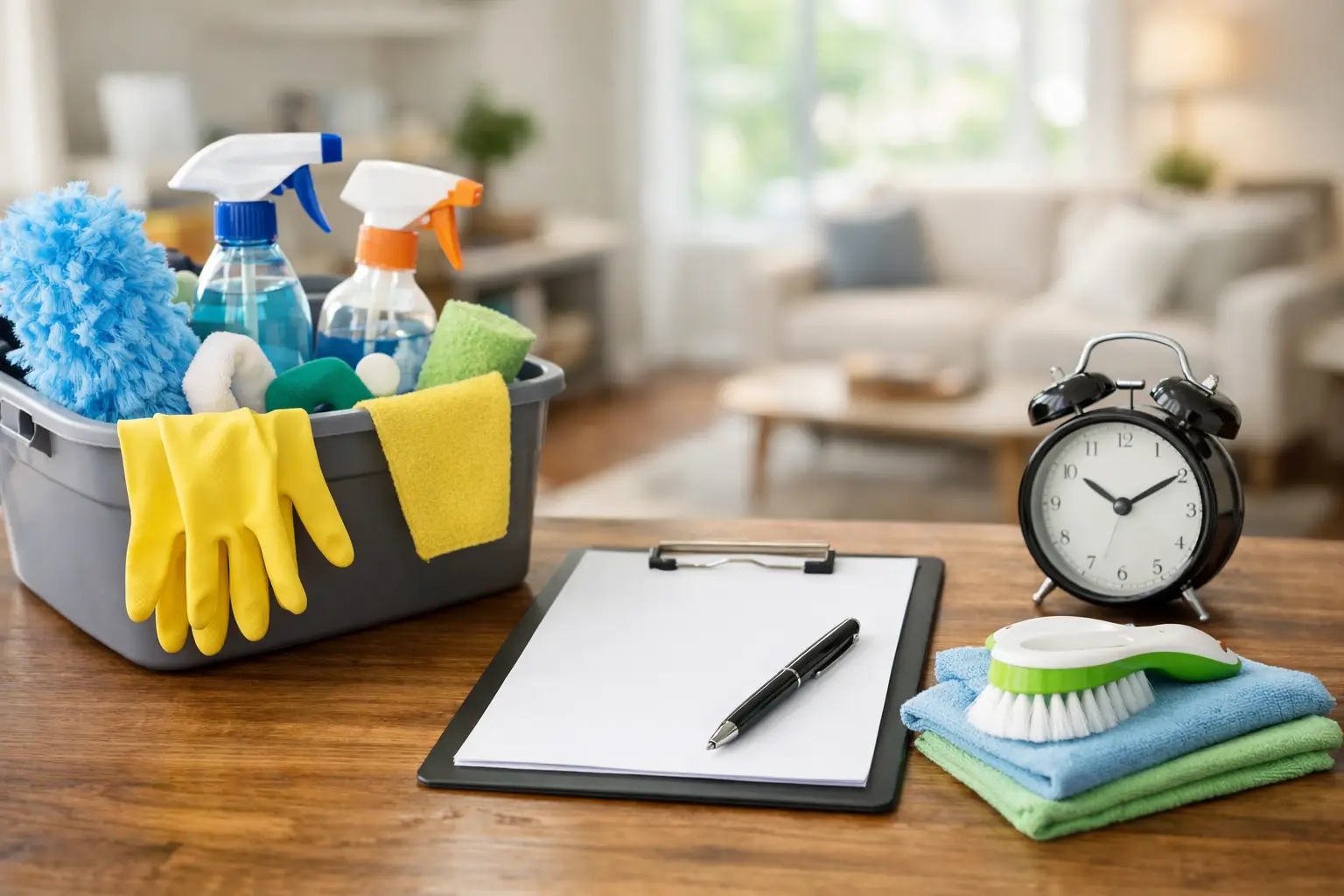
    A cleaning schedule should make your home feel easier to manage, not turn every spare minute into a chore. If you are trying to figure out how to organize a house cleaning schedule, start by giving each task a realistic place in your week, month, or season. The goal is not a spotless house at every hour. It is a comfortable, healthy home that does not create a constant mental list.

    For busy Orange County households, the right schedule accounts for commutes, school activities, beach days, guests, pets, and the simple fact that some weeks are fuller than others. A plan that expects perfection will be abandoned. A plan built around your real life can keep things under control.

    Start With the Cleaning That Matters Most

    Before dividing jobs into daily and weekly categories, think about what makes your home feel clean to you. For some people, it is clear kitchen counters and an empty sink. For others, it is freshly vacuumed floors, a clean bathroom, or living room surfaces free of dust and clutter.

    Walk through your home and identify the areas that create the most stress when they are neglected. These are your priority zones. In many homes, the kitchen, primary bathroom, entryway, and main living area deserve the most frequent attention because they collect the most visible mess and get the most use.

    This step keeps your schedule personal. A guest bathroom that is rarely used does not need the same attention as a kitchen used for family breakfasts, packed lunches, and weeknight dinners. Likewise, a household with shedding pets may need more frequent floor care than one with no pets.

    How to Organize a House Cleaning Schedule by Frequency

    The easiest way to organize cleaning is by how quickly a task becomes noticeable or affects comfort. Instead of assigning every job to Saturday, spread the work across several time frames. That keeps cleaning from taking over your weekend.

    Daily tasks: reset the spaces you use most

    Daily cleaning is less about deep scrubbing and more about restoring order. A 10- to 15-minute reset can include loading or unloading the dishwasher, wiping kitchen counters, clearing the dining table, putting away obvious clutter, and making sure bathroom counters are reasonably tidy.

    If you have children or pets, add a quick sweep of high-traffic floors or a pass with a cordless vacuum where crumbs and fur collect. These small routines prevent mess from becoming a larger project. They also make it easier to enjoy your home at the end of a long day.

    Weekly tasks: maintain the home

    Weekly cleaning is where most homes need a consistent rhythm. Bathrooms generally need attention once a week, including toilets, sinks, mirrors, showers, and floors. Kitchen floors, dusting in main rooms, vacuuming or mopping, changing bed linens, and taking out trash are also common weekly priorities.

    You do not have to do all of this on one day. You might clean bathrooms on Tuesday, vacuum on Thursday, and change sheets on Sunday. If a single weekly session works better for your household, block out enough time and keep the scope reasonable. The best approach depends on your energy, home size, and schedule.

    Monthly tasks: handle what is easy to overlook

    Monthly tasks keep buildup from becoming a deep-cleaning issue. Think baseboards in the most visible rooms, ceiling fans, interior microwave cleaning, cabinet fronts, light switches, door handles, and a more detailed dusting of furniture and window sills.

    Choose a few monthly tasks rather than trying to complete every possible job at once. Rotating them works well. One month, focus on fans and baseboards. The next, clean inside the refrigerator and wipe cabinet fronts. This approach is more sustainable than a long, exhausting checklist.

    Seasonal tasks: plan for deeper care

    Seasonal cleaning is useful for jobs that do not need constant attention but make a meaningful difference. Cleaning windows, washing curtains, vacuuming upholstered furniture, organizing closets, wiping inside drawers, and cleaning under furniture often fit here.

    Spring and fall are natural times to take on these projects, but the calendar is less important than choosing a predictable time. If the holiday season brings guests, schedule a deeper clean beforehand. If summer means more sand, sunscreen, and outdoor entertaining, plan extra attention for entryways, floors, and patio-adjacent areas.

    Build a Schedule Around Your Actual Week

    A calendar is more useful than a long cleaning checklist because it answers the question that matters most: when will this happen? Look at your regular commitments first. Then choose windows when cleaning is least likely to compete with rest, family time, or work.

    For example, a working professional may prefer short evening resets and one larger task on a weekend morning. A family with young children may get better results by assigning one adult a 15-minute task after bedtime. A remote worker might use a lunch break to start a load of laundry or wipe down a bathroom.

    Avoid scheduling cleaning for every open space on your calendar. Leave room for life. If your plan requires three hours every Saturday, it will be difficult to maintain during busy seasons. A lighter routine with a built-in catch-up day is usually more dependable.

    It also helps to give each household member a clear, age-appropriate responsibility. One person can handle dishes while another manages laundry or takes out trash. Clear ownership prevents the familiar problem of everyone assuming someone else will do it.

    Keep Supplies Where You Need Them

    A cleaning schedule breaks down quickly when every task begins with hunting for supplies. Keep the basics together and easy to reach: microfiber cloths, an all-purpose cleaner, bathroom cleaner, disinfecting product, gloves, a scrub brush, and trash bags.

    For a two-story home, a small set of supplies upstairs can make bathroom touch-ups far more likely. Store products safely and out of reach of children and pets, and always follow the label directions. Do not mix cleaning products, particularly products containing bleach and ammonia.

    The right tools save time, but you do not need a cabinet full of specialty products. Consistent use of a few reliable supplies is more valuable than buying products for every possible surface.

    Use a Simple Tracking Method

    Your system should be visible enough to use and simple enough to ignore on a busy day without creating guilt. Some people prefer a paper checklist on the refrigerator. Others use a shared digital calendar or a recurring reminder on their phone.

    Try tracking recurring jobs rather than writing down every small action. For example, use reminders for bathrooms every Friday, bedding every Sunday, and refrigerator cleaning on the first weekend of the month. Daily resets can become a habit without needing a formal task list.

    After two or three weeks, review what is working. If floors still feel dirty before vacuum day, increase that task’s frequency. If you keep skipping a monthly task, move it to a different day or break it into smaller parts. Your schedule is meant to be adjusted, not followed rigidly.

    Know When to Bring in Professional Help

    A home routine does not have to mean doing every task yourself. Many households handle daily resets but use professional cleaning for recurring maintenance, a seasonal deep clean, or a reset after a particularly demanding stretch of work and family life.

    Professional help can be especially useful before hosting guests, moving into a new home, preparing a property for sale, or managing a rental turnover. It can also give your regular schedule a stronger starting point. Once the detailed work is handled, maintaining the home often feels far more manageable.

    For homeowners and renters who want dependable support without a long-term commitment, SRS Cleaning Services offers flexible recurring and one-time cleaning options throughout Orange County. Vetted, insured professionals and clear communication can remove the uncertainty from delegating work in your home.

    A good cleaning schedule should give you more than clean counters and fresh floors. It should give you back the feeling that your home is a place to rest. Start small, keep the routine realistic, and let consistency do the heavy lifting.
  • A Cleaning Schedule for House That Actually Works

    A Cleaning Schedule for House That Actually Works

    A full sink on Tuesday, dusty floors by Thursday, and bathrooms that somehow need attention again by the weekend – that is how cleaning becomes a constant source of stress. A realistic cleaning schedule for house is not about keeping every surface perfect every day. It is about knowing what needs attention now, what can wait, and how to keep your home feeling comfortably under control.

    For busy Orange County households, the right schedule creates more than a cleaner space. It protects your downtime. Instead of spending Saturday deciding where to begin, you have a simple rhythm that fits the way your household actually lives.

    Start With Your Home’s Real Needs

    The best cleaning schedule is personal. A couple who works long hours and rarely cooks will have different priorities than a family with children, pets, frequent guests, or allergy concerns. Trying to follow a detailed routine made for someone else is one of the fastest ways to abandon it.

    Begin by noticing which areas get messy first. Kitchens and bathrooms usually need the most frequent care because they collect moisture, food residue, and daily traffic. Entryways, living rooms, and floors may need more attention if pets, kids, or sandy beach days are part of your routine. A guest room that stays closed most of the month can wait longer.

    It also helps to decide what “clean enough” means for your household. For some people, it means clear counters and freshly vacuumed floors. For others, it means sanitized bathrooms, polished fixtures, and no dust visible in the afternoon light. There is no wrong standard, but your schedule needs to match it.

    A Cleaning Schedule for House by Frequency

    Organizing tasks by frequency keeps small jobs from turning into an overwhelming reset. It also helps you avoid spending time on low-priority areas while the rooms you use every day fall behind.

    Daily: Keep the Mess From Building

    Daily cleaning should be quick and focused. Think of it as a 10- to 20-minute reset, not a full-house cleaning session. Put dishes in the dishwasher or wash them after meals, wipe kitchen counters, handle spills, and do a brief pickup of shoes, mail, toys, and clutter.

    In bathrooms, a quick wipe of the sink and counter after getting ready can make a meaningful difference. If you have pets, a fast sweep around food bowls and high-traffic areas prevents fur and tracked-in debris from spreading through the home.

    These small habits make weekly cleaning much faster. They also make your home feel calmer at the end of a busy day, even when laundry is waiting and life is moving quickly.

    Weekly: Clean the Spaces You Live In

    Weekly cleaning is the foundation of most homes. Choose one day, split it over two evenings, or assign rooms to different household members. What matters is consistency, not completing every task in one marathon session.

    Your weekly routine will usually include vacuuming or sweeping floors, mopping hard surfaces, cleaning toilets, showers, tubs, sinks, mirrors, and wiping kitchen appliances. Change bed linens, empty trash, dust frequently used surfaces, and clean the areas where crumbs and fingerprints gather.

    If time is limited, prioritize the kitchen, bathrooms, floors, and main living areas. These rooms affect how the whole home feels. Bedrooms and less-used spaces can receive a lighter touch one week and more attention the next.

    Monthly: Catch What Daily Life Misses

    Monthly tasks are where a home starts to look truly maintained rather than simply picked up. Wipe baseboards in high-traffic areas, dust ceiling fans and vents, clean microwave interiors, wipe cabinet fronts, and remove buildup from shower doors and fixtures.

    This is also a good time to vacuum under couch cushions, clean light switches and door handles, and check the refrigerator for expired items. If allergies are a concern, pay extra attention to upholstery, blinds, and places where dust tends to settle.

    You do not need to complete every monthly task on the same day. Pick two or three during a regular weekly clean, then rotate through the rest. A manageable rotation is more likely to last than a long checklist that keeps getting postponed.

    Seasonal: Refresh the Whole Home

    Seasonal cleaning handles the jobs that take more time or are easy to overlook. Wash windows, clean inside cabinets and drawers, vacuum mattresses, move lightweight furniture to clean beneath it, and organize closets. Spring and fall are natural times to do these tasks, but the season matters less than choosing a cadence you can maintain.

    For households near the coast, open windows and salty air can leave dust and residue on glass and surfaces more quickly. Homes with pets may need more frequent upholstery cleaning. The schedule should flex with your environment, not force you into a rigid plan.

    Make the Schedule Easy to Follow

    A schedule only works if it is visible and realistic. Keep it in the place where household plans already live, such as a shared calendar, a note on the refrigerator, or a simple checklist on your phone. Avoid creating a complicated system that requires more management than the cleaning itself.

    Try assigning tasks to moments that already happen. Start a load of towels before work on Friday. Change sheets on the morning you do laundry. Wipe down the bathroom while waiting for a shower to warm up. Pairing small jobs with existing routines lowers the mental effort required to remember them.

    It is also wise to leave room for imperfect weeks. A sick child, a demanding work deadline, travel, or visiting family can change the plan. When that happens, do not try to make up every missed task at once. Reset with the essentials: dishes, trash, bathrooms, floors, and laundry. The rest can return to the rotation later.

    Know When Weekly, Biweekly, or Monthly Service Fits Better

    Many households can maintain daily resets but struggle to protect time for the deeper weekly work. That is where recurring professional cleaning can make a practical difference. It is not about handing over every responsibility. It is about removing the tasks that repeatedly take up your weekend or remain on your mental list.

    Weekly service often works well for busy families, pet owners, frequent entertainers, and anyone who prefers consistently polished bathrooms and floors. Biweekly cleaning is a popular option for households that can manage light upkeep between visits but want dependable help with the more time-consuming work. Monthly service may suit smaller households or homes with less day-to-day activity, especially when paired with a solid weekly routine.

    A professional visit can also be useful after a demanding season, before guests arrive, or when your usual rhythm has fallen apart. SRS Cleaning Services provides recurring and one-time options designed to bring structure back without requiring a long-term contract.

    Avoid the All-or-Nothing Trap

    The most common mistake in home cleaning is treating it as a pass-or-fail project. If you cannot deep-clean the entire house, it is tempting to do nothing. But a five-minute kitchen reset, a quick bathroom wipe, or one load of laundry still moves your home in the right direction.

    Use your schedule as support, not pressure. Some weeks, the floors will be freshly mopped and every bed made. Other weeks, getting the dishes handled and the trash out is enough. A good plan gives you a clear next step instead of making you feel behind.

    Your home should be a place to recover, host, work, and spend time with the people who matter. Build a routine that protects that feeling, then let consistency do more work than perfection ever could.

  • A House Cleaning Maintenance Schedule That Works

    A House Cleaning Maintenance Schedule That Works

    A clean home rarely comes from one exhausting Saturday spent catching up. It comes from a realistic house cleaning maintenance schedule that handles small needs before they become a full-house project. The right routine keeps your space comfortable for your family, guests, and quiet nights at home – without making cleaning another full-time job.

    The goal is not a picture-perfect home at every hour. It is a home that feels cared for, functions well, and does not add to your mental load. For busy Orange County households, that usually means choosing a few high-impact tasks to handle often, assigning other jobs to a weekly rhythm, and bringing in professional help when deeper cleaning needs more time than you have.

    Start With the Areas That Affect Daily Life

    A useful cleaning schedule follows how you actually live. The kitchen, bathrooms, entryway, and main living areas tend to need attention most often because they collect crumbs, fingerprints, shoes, laundry, and the everyday evidence of a busy household.

    Start by noticing what bothers you first when the house feels messy. For some people, it is a cluttered kitchen counter. For others, it is dusty floors, a bathroom sink, pet hair on the sofa, or a pile of shoes by the front door. Those pressure points should guide your routine.

    A schedule that asks you to clean every room every day will not last. A schedule that gives you a few manageable resets will. Think of maintenance cleaning as keeping your home from reaching the point where everything feels urgent.

    Your Daily House Cleaning Maintenance Schedule

    Daily tasks should be short and focused. Ten to twenty minutes is often enough to keep the busiest areas under control. The best time is usually tied to an existing routine, such as after dinner, before bed, or before leaving for work.

    In the kitchen, clear and wipe counters, load or unload the dishwasher, and quickly sweep up visible crumbs. Taking a minute to wipe the stove after cooking can prevent grease and splatters from becoming a tougher job later in the week.

    In bathrooms, hang damp towels properly, wipe obvious toothpaste or water from the sink, and return products to their place. These small habits make a big difference in shared bathrooms, especially in homes with children or multiple adults getting ready at the same time.

    A daily reset also includes putting away what has migrated into common spaces. Mail, backpacks, shoes, toys, and charging cords can make an otherwise clean room feel chaotic. You do not need to organize a closet each night. Simply return the visible items that do not belong in the room.

    Weekly Cleaning Keeps the Home Feeling Fresh

    Weekly cleaning is where the home gets a more complete refresh. Many households choose one longer session on the weekend, but that is not the only option. Splitting work across two or three days may be easier for working professionals, parents, and anyone who would rather protect their weekend time.

    Focus your weekly effort on the tasks that maintain hygiene and appearance: vacuuming or mopping floors, cleaning bathroom fixtures, wiping kitchen surfaces and appliance exteriors, dusting accessible furniture, changing bed linens, and taking out trash and recycling.

    It helps to work from high to low. Dust shelves, tables, and other surfaces first, then vacuum or mop floors last. This prevents you from cleaning the same area twice and makes the process more efficient.

    A simple weekly rhythm

    If you prefer a room-by-room approach, assign one main area to each day. For example, clean bathrooms on Monday, dust living spaces on Tuesday, refresh bedrooms on Wednesday, and give the kitchen extra attention on Thursday. Leave floors for Friday or the day before you expect guests.

    If your schedule changes every week, do not tie tasks to specific weekdays. Keep a short weekly checklist instead and complete it whenever you have an open hour. Consistency matters more than whether the bathroom is always cleaned on a Tuesday.

    Monthly Tasks Prevent Deep-Cleaning Buildup

    Some areas do not need constant attention, but they should not be ignored until they become visibly grimy. Monthly maintenance protects the condition of your home and makes professional or seasonal deep cleaning more effective.

    Set aside time to wipe cabinet fronts, clean inside the microwave, sanitize trash cans, dust blinds, wipe baseboards in high-traffic rooms, and clean mirrors more thoroughly. Check refrigerator shelves for expired items and wipe any spills before they leave odors or sticky residue.

    This is also a good time to vacuum upholstered furniture, including under cushions where crumbs and pet hair collect. If you have pets, young children, or frequent visitors, you may need to handle some of these tasks twice a month instead.

    Monthly cleaning does not have to happen all at once. Choose two or three tasks each week and rotate through them. That approach keeps the work light while ensuring less-visible areas still receive regular care.

    Plan for Seasonal and Occasional Cleaning

    Every home has jobs that sit outside the weekly routine. Windows, ceiling fans, light fixtures, behind appliances, inside cabinets, and detailed baseboard cleaning often need attention every few months rather than every few days.

    Seasonal cleaning is also a practical time to assess what is no longer serving your household. Donate clothing that no longer fits, recycle old papers, and clear out bathroom or pantry items that have expired. Cleaning becomes easier when surfaces and storage areas are not overloaded.

    There is a trade-off here: doing everything yourself can save money, but it can take up the limited time you want to spend with family, rest, or enjoy Southern California weekends. A recurring professional cleaning service can cover the detailed weekly work, while you handle the quick daily resets that keep your home running smoothly between visits.

    Choose a Frequency That Fits Your Household

    There is no single cleaning frequency that works for everyone. A one-bedroom apartment with one resident has different needs than a home with children, pets, and frequent guests. The right schedule depends on traffic, lifestyle, allergies, cooking habits, and your personal comfort level.

    Weekly service is often a good fit for busy families, pet owners, and households that want bathrooms, floors, and kitchens to remain consistently guest-ready. Every-other-week cleaning can work well for smaller households that keep up with basic daily tasks. Monthly service may be enough for low-traffic homes, though it usually requires more maintenance between appointments.

    If you are preparing for a move, hosting family, listing a property, or returning home after a busy season, start with a deep cleaning. It gives the home a fresh baseline. After that, a recurring plan is easier to maintain because the heavier buildup has already been addressed.

    Make the Schedule Easier to Keep

    The most effective routine is one with fewer decisions. Keep basic supplies where you use them, such as a bathroom-safe cleaner under each bathroom sink and microfiber cloths in the kitchen. When supplies are easy to reach, a two-minute wipe-down is far more likely to happen.

    It also helps to divide responsibility clearly. In a shared home, vague expectations lead to missed tasks and frustration. Decide who handles dishes, laundry, pet areas, and trash, or choose a professional service to take the larger cleaning responsibilities off everyone’s plate.

    Do not let a missed week convince you the plan has failed. Travel, illness, work deadlines, and school events happen. Resume with the next task rather than trying to make up every missed chore in one marathon session.

    For homeowners and renters who want dependable support, SRS Cleaning Services can help establish a recurring plan that matches the pace of your household. Background-checked, insured professionals and clear scheduling make it easier to enjoy a cleaner home without giving up your time.

    A maintenance schedule should leave room for real life. When the basics are handled regularly, your home feels calmer, cleaning feels less overwhelming, and the time you save can go back to the people and moments that matter most.

  • Recurring House Cleaning Services That Fit Life

    Recurring House Cleaning Services That Fit Life

    A clean kitchen at 7 a.m. changes the feel of a busy day. So does walking into a tidy living room after work instead of seeing another weekend full of chores waiting for you. Recurring house cleaning services create that kind of consistency, giving your home regular care without asking you to spend your limited free time catching up.

    For many Orange County households, the value is not simply a freshly cleaned bathroom or dust-free floors. It is the relief of knowing the work is handled by a trusted professional on a schedule that makes sense for your life. You relax. We clean.

    What Recurring House Cleaning Services Really Provide

    A recurring cleaning plan is a scheduled service, usually weekly, every other week, or monthly. Rather than starting from scratch every time, your cleaning team maintains the home over time. That means less buildup in high-use areas and a more dependable baseline of clean between visits.

    The best schedule is not necessarily the most frequent one. It depends on your household, your routines, and what you want to stop managing yourself. A family with young children, pets, and busy work schedules may appreciate weekly service. A couple who travels often or keeps a lower-traffic home may find biweekly or monthly cleaning is a better fit.

    The real benefit is predictability. You know when help is coming, what areas will receive attention, and that your home will not reach the point where cleaning feels overwhelming. That consistency can reduce the mental load that comes with constantly noticing what still needs to be done.

    A regular visit keeps cleaning manageable

    When a home goes several months without professional attention, dust, soap residue, grease, and everyday clutter can turn a standard clean into a much larger project. Regular visits help prevent that cycle. Kitchens, bathrooms, floors, and frequently touched surfaces stay more manageable because they receive routine care.

    This does not mean a recurring service makes every household chore disappear. You may still need to do dishes, pick up toys, or handle laundry between appointments. But it does mean the deeper, more time-consuming work is no longer sitting on your personal to-do list every week.

    Choosing the Right Cleaning Frequency for Your Home

    Weekly, biweekly, and monthly plans each serve a purpose. The right option comes down to your home’s activity level and your personal standard for cleanliness.

    Weekly cleaning for busy, high-traffic homes

    Weekly service is often a strong choice for households with children, pets, frequent guests, or multiple people working from home. Kitchens and bathrooms get heavy use, pet hair accumulates quickly, and floors can show daily traffic sooner than expected.

    A weekly schedule is also helpful for clients who want their home to feel consistently guest-ready. If you regularly host family, entertain friends, or simply feel more relaxed when surfaces and floors are kept up, this level of care provides the most reliable rhythm.

    Biweekly cleaning for a balanced routine

    Every-other-week cleaning is one of the most practical options for many households. It provides regular professional care without the frequency of a weekly appointment. For working professionals, small families, and renters who keep up with light tasks between visits, biweekly cleaning can offer the right balance of convenience and value.

    This schedule works especially well when you want help with the jobs that take the most effort: bathroom cleaning, kitchen wipe-downs, dusting, vacuuming, mopping, and detailed attention to the areas that make a home feel fresh.

    Monthly cleaning for lower-traffic spaces

    Monthly service can be a good fit for one- or two-person households, second homes, or clients who enjoy doing routine cleaning but want professional support with a more thorough reset. It is also a sensible starting point if you are testing what kind of ongoing support feels useful.

    The trade-off is simple: the longer the gap between visits, the more daily upkeep you may need to handle yourself. If your home feels noticeably harder to manage before the next appointment arrives, moving to a more frequent schedule may bring better results and less stress.

    Start With a Deep Clean When Your Home Needs a Reset

    Recurring service is designed to maintain a home, not always to correct months of buildup in one visit. If it has been a while since your home received detailed cleaning, beginning with a deep clean can make the ongoing schedule more effective.

    A deep clean gives extra attention to areas that are often missed during routine upkeep, such as baseboards, accumulated grime, detailed bathroom surfaces, and kitchen buildup. Once that baseline is established, recurring appointments can focus on keeping the home comfortable and presentable.

    This approach is often helpful after a busy season, before beginning a new routine, or when life has simply gotten ahead of you. There is no need to feel embarrassed about the current condition of your home. Professional cleaning exists because homes are lived in.

    What to Look for in a Cleaning Company

    Inviting a cleaning professional into your home requires trust. Price matters, but it should not be the only factor. Clear communication, reliable scheduling, and a professional process can make the difference between a service you tolerate and one you genuinely look forward to.

    Look for a company that is licensed and insured, uses background-checked cleaners, and explains what is included before the appointment. A satisfaction guarantee also matters because it shows that the company is willing to stand behind its work.

    It helps to ask how schedule changes, special requests, and access instructions are handled. Life happens. A good recurring cleaning provider makes it easy to communicate when you are traveling, need to skip a visit, or want attention focused on a particular area.

    For Orange County homeowners and renters, local experience can be valuable as well. A company familiar with the area understands the pace of busy households, from Irvine professionals with demanding commutes to families balancing school, activities, and weekend plans.

    How to Get More From Each Recurring Visit

    You do not need to clean before your cleaning team arrives. That defeats the purpose. Still, a few simple habits can help your appointment deliver the best results.

    Keep personal paperwork, valuables, and sensitive items in a place where you feel comfortable. If possible, clear large amounts of clutter from the surfaces you want cleaned. This allows the team to spend more time on actual cleaning rather than moving piles from one location to another.

    Be clear about priorities. Maybe the kitchen needs extra attention after a week of cooking, the guest bathroom is not used often, or pet hair is the issue you notice most. Sharing those details helps your team understand what makes the biggest difference in your home.

    Consistency also helps. When the same service rhythm is maintained, cleaners become more familiar with your preferences, your layout, and the areas that need regular attention. That familiarity supports the dependable results people want from an ongoing service.

    A Cleaner Home Can Make Room for More Life

    Recurring cleaning is not about chasing perfection or maintaining a picture-perfect home at every moment. It is about removing a task that can quietly consume evenings, weekends, and mental energy.

    Whether you choose weekly, biweekly, or monthly visits, the goal should be a schedule that feels supportive rather than excessive. SRS Cleaning Services helps Orange County clients build that routine with clear communication, trusted professionals, and no long-term contracts.

    A calmer home often starts with one practical decision: stop saving all the cleaning for the time you would rather spend living in it.

  • How Much Does Recurring House Cleaning Cost?

    How Much Does Recurring House Cleaning Cost?

    If you have ever looked around on a Sunday afternoon and thought, I just cleaned this place, you are not alone. For many Orange County homeowners and renters, the real question is not whether help would be useful, but how much does recurring house cleaning cost and what do you actually get for that price.

    The short answer is that recurring cleaning usually costs less per visit than a one-time deep clean. Most homes fall into a range based on size, condition, visit frequency, and the level of detail you want. Weekly service generally has the lowest per-visit cost, biweekly service is the most common middle ground, and monthly cleaning tends to cost more per visit because more buildup happens between appointments.

    How much does recurring house cleaning cost on average?

    In many markets, recurring house cleaning for a standard home often starts around $100 to $150 for smaller spaces and can reach $200 to $300 or more for larger homes or more customized service. In Orange County, pricing can land on the higher side of national averages because labor, insurance, and operating costs are higher here.

    That said, averages only go so far. A two-bedroom apartment with one busy professional will be priced differently than a four-bedroom family home with pets, kids, and frequent kitchen use. The best way to think about recurring cleaning cost is not as a flat rate, but as a range shaped by your home and your routine.

    What affects recurring house cleaning prices?

    The biggest factor is home size, but it is not the only one. Cleaners usually consider square footage, number of bedrooms and bathrooms, how often the home is lived in, and how much work is needed to maintain it consistently.

    A home that gets cleaned every week usually stays in better shape between visits. That means each appointment is more about maintenance than catch-up. A monthly service, by comparison, often takes longer because bathrooms, floors, kitchens, and dust buildup require more attention each time.

    Condition also matters. If you are starting recurring service after months without professional cleaning, your first visit may be priced as an initial deep clean. This is common and reasonable. It sets the home to a manageable standard so future visits can be more efficient, more predictable, and often less expensive.

    Pets, shedding, and lifestyle patterns can also shift pricing. A home office used every day, a kitchen that sees three meals a day, or a household with toddlers will usually need more ongoing work than a lightly used condo.

    Weekly, biweekly, or monthly: what changes the cost?

    Frequency changes both the price per visit and the total monthly spend. Weekly cleaning usually offers the best value per visit because the home is easier to maintain. Biweekly service is often the most practical choice for busy households that want consistent results without a weekly appointment. Monthly cleaning can still help, but it tends to involve more buildup, so each visit may cost more.

    Here is the trade-off. Weekly service costs more overall each month, but less each time. Monthly service costs less overall, but each visit may feel closer to a reset than a simple upkeep clean. Biweekly tends to balance budget, cleanliness, and convenience, which is why many clients start there.

    What is usually included in recurring house cleaning?

    Recurring cleaning typically covers the areas that create the most daily stress: kitchens, bathrooms, floors, surfaces, and general tidying of the spaces being serviced. That often includes wiping counters, cleaning sinks, sanitizing bathroom fixtures, vacuuming, mopping, dusting reachable surfaces, and taking care of visible buildup in the rooms included in your plan.

    Some services also include light straightening, bed making, or exterior appliance wipe-downs, while others treat those as add-ons. Inside ovens, inside refrigerators, interior windows, heavy baseboard work, and post-construction-style detail cleaning are usually not part of standard recurring service unless specifically requested.

    This is why clear communication matters. A lower quote is not always a better value if it leaves out the tasks you care about most. Reliable service starts with knowing exactly what is included, what is optional, and what kind of results to expect visit after visit.

    Why one company may charge more than another

    If you have requested a few quotes, you may have noticed a wide spread. That does not always mean one company is overpriced and another is a bargain. Often, you are comparing different service models.

    A licensed and insured company with background-checked cleaners, dependable scheduling, clear customer support, and a satisfaction guarantee will usually charge more than an informal solo cleaner working without the same overhead. For some clients, that difference is worth it for peace of mind alone.

    There is also consistency to consider. A lower rate can look attractive until appointments are missed, communication is unclear, or the quality changes from one visit to the next. When recurring cleaning is meant to reduce stress, reliability is part of the value.

    How to estimate your own recurring cleaning cost

    A practical starting point is to think about your home in three parts: size, frequency, and priorities. A smaller apartment cleaned every two weeks will usually be near the lower end of the pricing range. A larger home with multiple bathrooms, pets, and weekly service will sit higher.

    Then ask yourself what matters most. Do you want the whole house maintained, or only the main living areas and bathrooms? Are you hoping to keep things presentable between workweeks, or do you want a more polished, detail-oriented result every time?

    The more specific you are, the more accurate your quote will be. General requests like clean the house can mean very different things from one client to another. Clear expectations help avoid surprises on both price and scope.

    Is recurring cleaning worth the cost?

    For many people, yes, because the value is not only in the cleaning itself. It is in the hours you get back, the reduction in mental load, and the relief of not having to spend your limited free time catching up on chores.

    That matters even more for busy families, working professionals, and anyone managing a packed schedule. A consistently clean home can make mornings easier, weekends lighter, and the overall feel of your space calmer. There is also the practical benefit of keeping surfaces, floors, and bathrooms maintained before grime becomes harder and more expensive to tackle.

    Recurring service is not about perfection. It is about support. The right plan keeps your home in a comfortable, livable rhythm so cleaning does not keep becoming an all-day project.

    How to choose a recurring cleaning plan that fits

    Start with honesty about your schedule and your tolerance for mess. If your home gets out of hand quickly, weekly or biweekly service may save you more stress than monthly cleaning ever will. If you already keep up with the basics, monthly maintenance may be enough.

    It also helps to choose a company that makes the process simple. Clear quotes, easy scheduling, insured service, and responsive communication all matter. You want to know who is coming into your home, what they are doing, and what happens if something needs attention after the visit.

    For Orange County clients, local experience matters too. Homes, lifestyles, traffic patterns, and scheduling needs can all affect how smoothly service runs. A company that understands the area is often better equipped to provide the kind of dependable experience recurring cleaning should offer.

    At SRS Cleaning Services, that focus is simple: consistent service, clear communication, and a cleaner home that feels easier to live in.

    Questions to ask before you book

    Before choosing a provider, ask how initial cleanings are priced, what recurring visits include, whether supplies are provided, and how rescheduling works. You should also ask whether the company is licensed and insured and whether the cleaning professionals are vetted.

    These are not small details. They affect both cost and confidence. A recurring service should feel straightforward from the first quote onward, not confusing or hard to manage.

    When you are comparing options, remember that the best fit is rarely the cheapest line item. It is the service that gives you dependable results, respects your time, and makes your home feel easier to enjoy week after week.

    A fair recurring cleaning price is the one that leaves you with less to think about, not more.