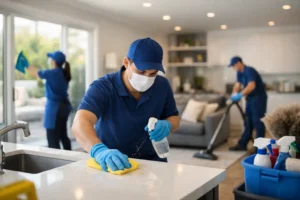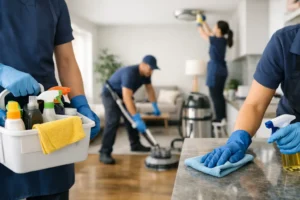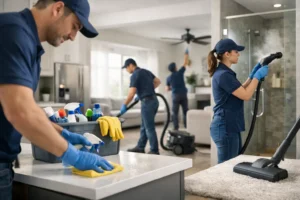
A home can look tidy while still carrying the buildup that makes it feel less comfortable: soap film on shower doors, grease above the range, dust along baseboards, and fingerprints on the places everyone touches. This house cleaning deep cleaning checklist helps you work through those details without turning a free weekend into an exhausting all-day project.
Deep cleaning is not about making a home look perfect. It is a periodic reset that addresses the work regular cleaning does not always cover. For busy Orange County households, the best approach is to focus on the areas that affect daily comfort first, then decide which remaining tasks are worth handling yourself.
Start With a Realistic Plan
A deep clean goes faster when you clean from high to low and dry to wet. Dust ceiling fans, vents, shelves, and blinds before vacuuming floors. Apply bathroom and kitchen cleaners early so they can sit while you handle another task. Then wipe surfaces, scrub where needed, and finish with the floors.
Before you begin, clear clutter from counters, nightstands, and floors. Cleaning around piles of mail, laundry, and toys adds time without producing the fresh, open result most people want. A basket for misplaced items is useful, but avoid stopping to organize every drawer unless that is part of your goal.
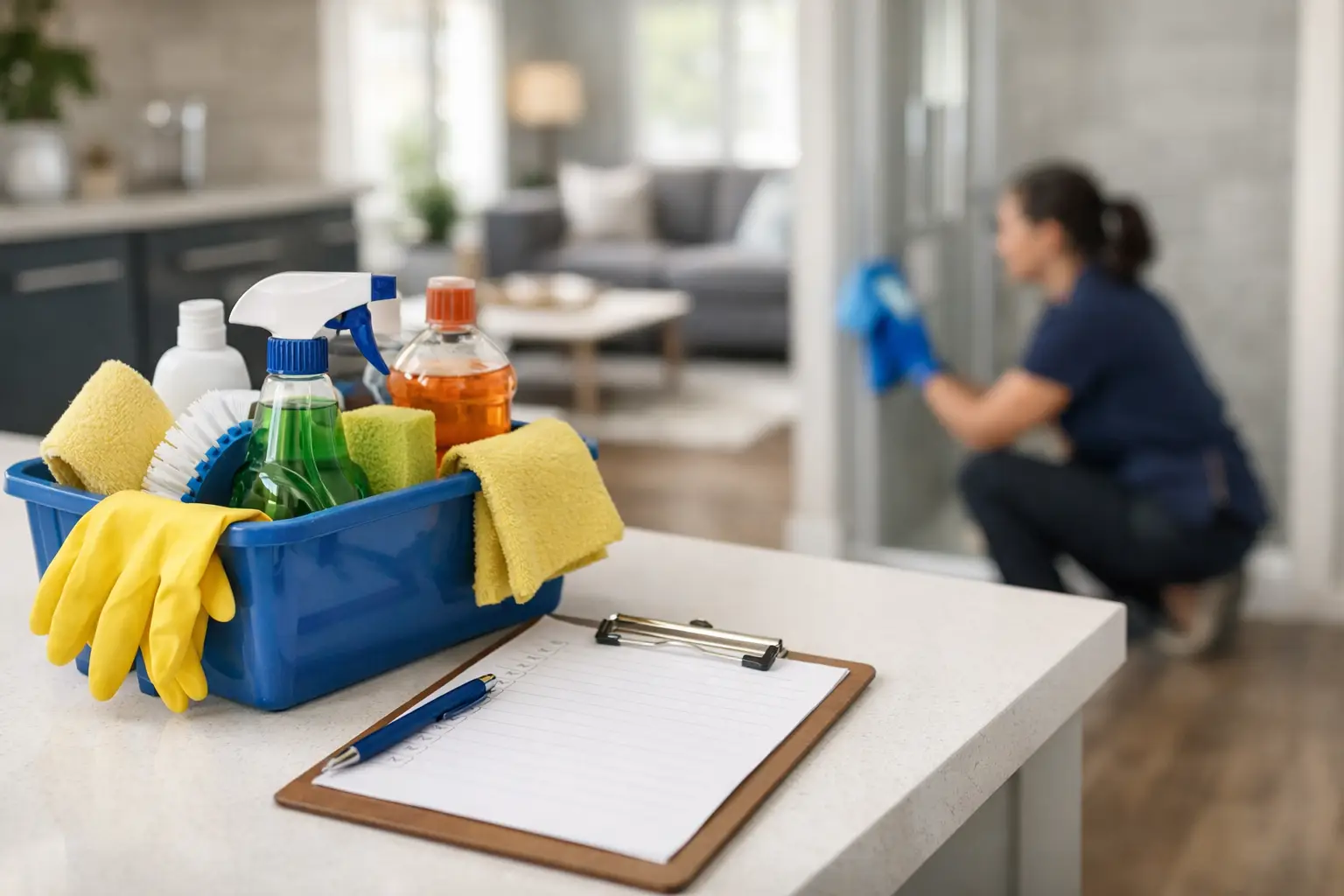
You do not need a cabinet full of specialty products. A vacuum with attachments, microfiber cloths, a mop, a scrub brush, a sponge, a glass cleaner, an all-purpose cleaner, and a bathroom cleaner cover most needs. Always check product labels, especially on natural stone, stainless steel, wood, and delicate finishes. Stronger products can solve a problem quickly, but the wrong one can leave dull spots or damage a surface.
House Cleaning Deep Cleaning Checklist: Whole-Home Tasks
These jobs make the biggest difference across the house and are easy to overlook during a typical weekly clean:
- Dust ceiling fans, light fixtures, air vents, door frames, blinds, window sills, and baseboards.
- Wipe doors, doorknobs, cabinet pulls, light switches, outlet covers, and other high-touch surfaces.
- Vacuum upholstered furniture, under cushions, along furniture edges, and beneath beds where accessible.
- Clean interior windows and mirrors, paying attention to smudges near handles and pet nose prints.
- Vacuum rugs thoroughly, including edges and corners, then mop hard floors with the right product for the material.
- Pull out lightweight furniture and appliances when it is safe to do so, then remove dust, crumbs, and debris underneath.
This is also a good time to replace or wash reusable cleaning cloths, launder throw blankets, and change bed linens. If you have pets, use the vacuum attachment along upholstery and baseboards before mopping. That extra pass prevents loose hair from spreading around damp floors.
Kitchen Deep Cleaning Checklist
The kitchen needs more than a quick counter wipe because grease and food residue build up in places that are not immediately visible. Start at the top, including the tops of cabinets and the outside of the range hood. If the hood filter is greasy, follow the manufacturer’s directions for removal and cleaning.
Clean the microwave inside and out, including the handle and control panel. Wipe the refrigerator doors, handles, shelves, and drawers, removing expired food as you go. The inside of the refrigerator does not need an aggressive cleaner, and a damp cloth with a mild food-safe product is often enough.
Give special attention to the sink, faucet base, garbage disposal splash guard, and backsplash. Scrub the cooktop and the area behind the knobs, then wipe cabinet fronts and drawer pulls. Finish by cleaning the dishwasher filter if your model allows it and sweeping or vacuuming beneath movable appliances.
Grease, baked-on spills, and oven interiors may require more time than a standard deep clean. If the oven has a self-clean feature, use it only according to the manufacturer’s instructions and allow for ventilation. For many households, this is one of the tasks that makes professional deep cleaning especially worthwhile.
Bathroom Deep Cleaning Checklist
Bathrooms reward focused effort. Begin by applying cleaner to the shower, tub, toilet bowl, and sink so it can work while you dust the vent cover, light fixture, and upper corners. Then clean mirrors and wipe the vanity, faucets, handles, and cabinet fronts.
Scrub shower walls, grout lines, the tub, and glass doors. Soap scum often needs a little dwell time and a nonabrasive scrubber. Hard-water deposits are common in Southern California, but harsh or acidic products are not appropriate for every tile, stone, or fixture. When in doubt, test a small hidden area first.
Do not skip the less visible points: the toilet base, the area behind the toilet, the wastebasket, and the floor edges. Replace towels, wipe product bottles before returning them to the counter, and mop last. A clean bathroom feels noticeably calmer when the surfaces are clear as well as sanitized.
Bedrooms and Living Areas
In bedrooms, strip the beds and wash linens while you clean. Dust nightstands, lamps, headboards, picture frames, and window treatments. Vacuum mattresses if desired, then vacuum under the bed and along wall edges before putting on fresh sheets.
Living rooms and family rooms tend to collect fingerprints, snack crumbs, pet hair, and dust around electronics. Use a dry microfiber cloth on television screens and follow the manufacturer’s guidance for monitors and remotes. Vacuum sofas and chairs carefully, including beneath cushions, and wipe coffee tables, end tables, and frequently handled décor.
For home offices, clear the desk before wiping it down. Dust around cables, clean the chair base, empty the trash, and sanitize high-touch items such as keyboards, phones, and drawer handles. Avoid spraying cleaner directly onto electronics.
Laundry Room, Entryway, and Often-Missed Spots
The small utility spaces matter because they influence how quickly dirt travels through the rest of the home. Wipe the washing machine exterior, clean the detergent drawer if applicable, and remove lint from the dryer filter after every load. Periodically, clean around and behind the machines if they can be moved safely.
At the entryway, clean the inside of the front door, wipe handles and switch plates, shake out mats, and vacuum the area thoroughly. It is one of the first places guests notice and one of the main routes for outdoor dust and sand.
A few overlooked tasks can make a deep clean feel complete: wipe trash cans inside and out, dust plant leaves, clean pet bowls and feeding mats, sanitize reusable water bottles, and vacuum closet floors. You may not need to do all of these every time. The right frequency depends on pets, children, allergies, cooking habits, and how often people are home.
When to Schedule Professional Deep Cleaning
A DIY deep clean works well when you can spread tasks across several days and the home is generally maintained. Professional help makes more sense before guests arrive, after a busy season, when allergies are acting up, or when the kitchen and bathrooms need more attention than your schedule allows.
It is also a practical choice for move-ins, move-outs, rental turnovers, and pre-sale preparation. Those situations have a deadline, and details such as appliance interiors, cabinet shelves, baseboards, and floor edges can affect how ready a property feels. A licensed, insured team with background-checked cleaners provides reassurance when you need the work handled consistently and on schedule.
SRS Cleaning Services helps homeowners, renters, and property professionals create that fresh-start feeling without giving up their weekend. Whether you tackle this checklist one room at a time or schedule help for the full reset, the goal is simple: a cleaner home that gives you more room to relax.