
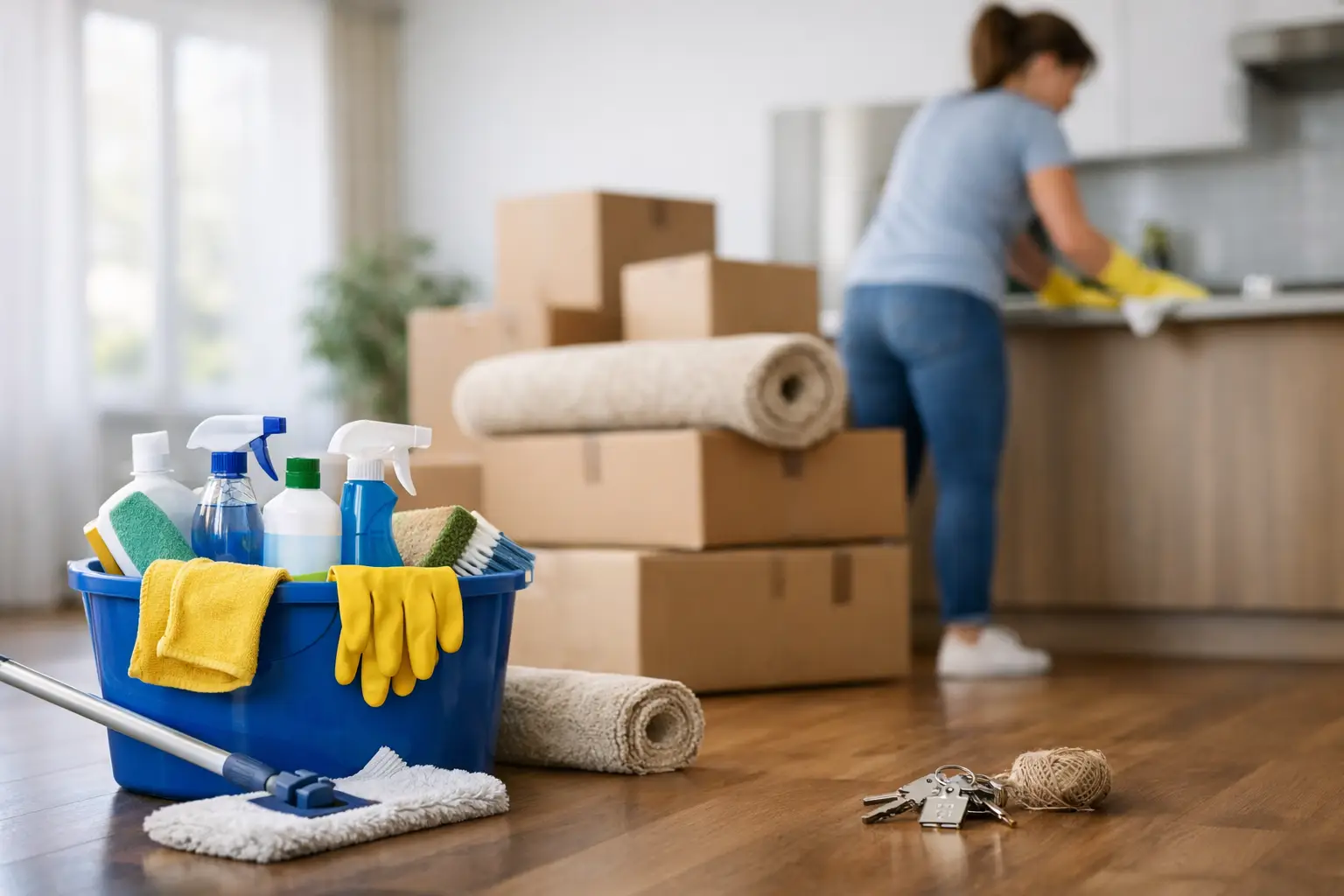
Moving day has a way of making every small task feel urgent. Boxes are stacked by the door, keys need to be returned, and the property still has to look its best. This move out cleaning guide helps you handle the final clean with a clear plan, whether you are protecting a security deposit, preparing a home for sale, or turning over a rental in Orange County.
A move-out clean is different from a normal weekly cleaning. The goal is not simply to make the space look tidy. It is to remove the signs of daily living from areas that are easy to overlook, such as inside cabinets, behind appliances, baseboards, and bathroom fixtures. A thoughtful approach can reduce last-minute stress and help create a smoother handoff.
Start Your Move Out Cleaning Guide Before the Last Day
The easiest way to make move-out cleaning harder is to wait until the home is empty and you are already exhausted. Begin planning several days before your move, even if you intend to hire help for the final cleaning. Read your lease, seller agreement, or property management instructions first. These documents may identify specific expectations for carpets, appliances, trash removal, wall marks, or key return.
Take photos of each room before you begin. Clear pictures give you a record of the property’s condition and help you spot areas that need more attention. If you are renting, compare the current condition with your move-in photos, allowing for reasonable wear and tear. A few small nail holes may be acceptable under your agreement, while heavy grease buildup or neglected fixtures may not be.
Schedule cleaning after furniture and belongings are removed whenever possible. Empty rooms reveal dust along wall edges, scuffs beneath rugs, and crumbs under appliances. If your moving timeline is tight, clean cabinets, closets, and less-used rooms as you pack. That leaves floors, bathrooms, and the kitchen for the final pass.
Clear the Space Before You Clean
Cleaning around belongings adds time and makes it easier to miss surfaces. Before bringing out supplies, remove all personal items, dispose of trash, and check every storage area. Open drawers, cabinets, medicine cabinets, garage shelves, patio storage, and laundry spaces. The most frustrating move-out issue is often something simple left behind.
Separate items into what will move with you, what can be donated, what should be recycled, and what needs proper disposal. Paint, chemicals, batteries, and electronics should not be left at the curb or inside the property. If your building has rules for bulk pickup or designated disposal areas, follow them before your final walkthrough.
Once the home is empty, work from high to low. Start with ceiling fans, vents, shelves, and walls, then clean counters, fixtures, and appliances. Finish with floors. This order prevents fresh dust from settling on areas you have already cleaned.
Focus on the Rooms That Receive the Most Scrutiny
Landlords, buyers, property managers, and incoming residents tend to notice kitchens and bathrooms first. These rooms collect the most residue, and they are also the spaces where a detailed clean makes the biggest visual difference.
The kitchen
Start by removing crumbs and debris from cabinets and drawers. Wipe interiors, doors, handles, and the top edges of upper cabinets. Grease can settle on cabinet fronts and backsplashes even when it is not immediately visible, so use a suitable degreaser and avoid overly abrasive pads that may damage finishes.
Clean the oven according to the manufacturer’s guidance. Pay attention to racks, the oven door, the stovetop, burner grates, and the area beneath removable components. The refrigerator should be fully emptied, wiped inside and out, and left according to the property’s instructions. Do not forget the microwave, dishwasher filter area, sink drain, faucet base, and garbage disposal splash guard if applicable.
Appliances can be a trade-off. A light wipe-down may be enough when a home is being renovated or when a buyer has planned replacements. For a standard rental turnover, however, a detailed appliance clean is usually expected. When in doubt, follow the lease or ask the property manager before assuming an area can be skipped.
The bathrooms
Bathrooms need more than a quick wipe of the vanity. Remove hair and residue from drawers, wipe mirrors without leaving streaks, and clean around faucet bases where mineral deposits often collect. Scrub the shower, tub, tile, grout, toilet exterior, and the floor behind the toilet.
Hard-water spots are common in Orange County homes, especially on shower glass and fixtures. They may require a product designed for mineral buildup and more than one treatment. Test any cleaner in an inconspicuous spot first, particularly on natural stone, specialty tile, or delicate finishes. Strong chemicals can solve one problem while creating another.
Bedrooms, living areas, and hallways
Dust ceiling fans, blinds, window sills, doors, trim, baseboards, and closet shelving. Wipe light switches and door handles, which are small details but highly visible during a walkthrough. Check walls for removable marks and use a gentle method before trying anything more aggressive.
Vacuum carpets slowly, including closet floors and edges. If the lease requires professional carpet cleaning, arrange it early and keep the receipt. For hard floors, sweep or vacuum first, then use the correct cleaner for the material. Too much water on wood or laminate can cause damage, so a damp mop is often safer than a soaking one.
Do Not Forget the Easy-to-Miss Areas
A reliable move-out clean comes down to the places people do not see every day. These details often separate a home that feels generally clean from one that feels ready for the next person.
Before your walkthrough, check these commonly missed areas:
- Inside closets, drawers, cabinets, and pantry shelves
- Behind and beneath the refrigerator, stove, washer, and dryer when safely accessible
- Baseboards, door frames, window tracks, blinds, and ceiling fan blades
- Light switches, outlet covers, door handles, and thermostat covers
- Laundry lint traps, utility rooms, garage corners, patios, and balconies
- Trash bins, mailbox areas, outdoor entryways, and any space included in your lease
Not every property requires the same scope. A furnished apartment, single-family rental, condo, office suite, and home being listed for sale all have different priorities. The best standard is simple: leave the space in a condition you would feel comfortable walking into yourself.
Know When Professional Move-Out Cleaning Makes Sense
A DIY clean can work well when the home is small, lightly used, and you have enough time after moving. It becomes more difficult when you are coordinating movers, work schedules, children, pets, repairs, or a strict key-return deadline. Large homes and properties with built-up kitchen or bathroom residue can take far longer than expected.
Professional move-out cleaning is often a practical choice when the handoff needs to be thorough and predictable. It can also be helpful for property managers and real estate professionals who need a consistent presentation between tenants or before showings. The right cleaning team should communicate clearly about the scope of work, arrival timing, and any add-on needs such as interior appliances, cabinets, or detailed floor care.
For renters, professional service is not a guarantee that every deposit question disappears. Damage, unpaid fees, lease violations, and required repairs are separate matters. Still, a documented detailed clean can help show that you took reasonable care of the property. For sellers, a polished home can make final photos, showings, and buyer walkthroughs feel more confident.
SRS Cleaning provides move-in and move-out cleaning for Orange County clients who want a dependable, detail-oriented reset without adding another major task to moving day.
Finish With a Calm Final Walkthrough
Once cleaning is complete, walk through the property slowly with your phone camera and any checklist from your lease or property manager. Turn on lights, open cabinets, flush toilets, run faucets briefly, and look at surfaces from different angles. Natural light can reveal streaks, dust, and marks that were easy to miss during cleaning.
Remove all trash, confirm that personal belongings are gone, and leave keys, remotes, parking passes, or access devices exactly as instructed. Take final photos after the property is empty and cleaned, then save receipts and communication related to the move-out.
A move is already a major transition. Giving the final clean a clear plan protects your time, helps the handoff go more smoothly, and lets you close one door without carrying unnecessary stress into your next home.