The conference table may look clean at 9 a.m., but it can collect coffee drips, fingerprints, food crumbs, and germs before the first meeting ends. Office hygiene practices are not about making a workplace feel sterile. They are about creating a space where employees can focus, clients feel comfortable, and routine mess does not become a bigger problem by Friday afternoon.
For busy office managers and business owners, the goal is a realistic system. A clean workplace should not depend on one person remembering every task or spending the end of a long day wiping down the break room. With clear expectations, the right supplies, and dependable professional support when needed, office hygiene becomes easier to maintain.
Why Office Hygiene Practices Matter
Workspaces are shared environments. Keyboards, door handles, elevator buttons, conference-room remotes, shared printers, refrigerator handles, and restroom fixtures all see frequent use. Even in a small office, these touchpoints can quickly become overlooked sources of grime.
Good hygiene also affects how people experience the workplace. Employees are more likely to feel cared for when restrooms are stocked, trash is removed on schedule, and common areas are pleasant to use. Clients and visitors notice the details, too. A streaked glass door or overflowing trash can may seem minor, but it can make an otherwise professional office feel unmanaged.
There is also a practical business benefit. Regular cleaning protects surfaces from buildup, helps control odors, and keeps small maintenance issues visible before they become expensive distractions. The right standard is not perfection at every moment. It is consistency that gives your team a clean, calm place to work.
Focus on the Areas That Get Used Most
A practical office hygiene plan starts with traffic patterns, not a long list of chores. The spaces people use all day need the most frequent attention, while private offices and low-traffic storage areas may need less frequent service.
Shared desks and technology
Desks can hold more than paperwork. Food wrappers, drink rings, dust, and personal items tend to collect quickly, especially in busy teams or hybrid offices with shared workstations. Employees should be encouraged to clear their desk at the end of the day so surfaces can be wiped without moving piles of documents or equipment.
For shared keyboards, mice, phones, and headsets, use products that are appropriate for electronics and follow the manufacturer’s instructions. Spraying liquid directly onto equipment can cause damage. A lightly dampened microfiber cloth or electronics-safe wipe is usually the better approach.
Break rooms and kitchens
The break room is often the fastest place for an office to feel neglected. A few unwashed mugs, a microwave spill, or forgotten leftovers can affect the whole room. Establish simple expectations: label food, remove personal items weekly, wipe spills right away, and avoid leaving dishes in the sink overnight.
Daily attention should include counters, tables, sinks, appliance handles, and trash. Refrigerators need a deeper clean on a regular schedule, with expired food removed. This is one area where a shared responsibility policy helps, but it should not replace scheduled professional cleaning. Employees can handle their own messes; a cleaning team can provide the consistent reset that keeps buildup from taking over.
Restrooms
Restrooms require the clearest standards because they directly affect comfort, hygiene, and visitor impressions. They should be checked frequently for soap, paper towels, toilet paper, trash capacity, odors, and visible soil. High-traffic offices may need multiple check-ins each day, while a small office may need a lighter schedule.
Cleaning restrooms properly means more than a quick wipe of the counter. Toilets, sinks, faucets, stall latches, dispensers, floors, mirrors, and door handles all need attention. Supplies should be stored where authorized staff can replenish them easily, without leaving extra products in public areas.
Entryways, meeting rooms, and high-touch surfaces
Entryways set the tone for the office. Glass doors, reception counters, seating, and floors should be addressed often enough to stay presentable throughout the day. In Orange County, dry weather can also mean dust and debris are tracked indoors more easily than people expect.
Meeting rooms deserve attention between appointments when possible. Clear used cups, wipe the table, straighten chairs, and check the whiteboard before the next group arrives. Door handles, light switches, printer controls, and shared remotes should be cleaned regularly, especially during cold and flu season or when an illness has been reported in the office.
Build a Schedule People Can Actually Follow
The most effective hygiene plans separate daily upkeep from weekly and periodic cleaning. Asking employees to perform a deep clean is rarely realistic, and it can lead to uneven results. At the same time, waiting for a weekly cleaning visit to address every spill or overflowing bin is not practical.
Daily tasks should stay simple: empty visible trash as needed, wipe spills, clean break-room surfaces, tidy reception, and replenish restroom supplies. Weekly service can cover more thorough vacuuming, mopping, dusting, restroom sanitizing, detailed kitchen cleaning, and disinfection of high-touch areas. Periodic tasks may include interior glass, baseboards, upholstery, vents, refrigerator interiors, and deeper floor care.
The right frequency depends on your office size, visitor traffic, industry, and layout. A medical-adjacent business, a busy real estate office, or a customer-facing showroom may need more frequent attention than a small administrative suite. Hybrid teams can reduce daily wear, but concentrated in-office days may still create heavy use of common areas.
Give Employees Clear, Reasonable Expectations
A clean office works best when everyone knows what they are responsible for. The key is to make expectations fair. Employees should not feel as though they have been assigned a second job, but they should understand how their habits affect shared spaces.
A short workplace hygiene policy can cover basics such as cleaning up food spills, removing personal items from common refrigerators, keeping walkways clear, reporting supply shortages, and avoiding leaving dishes or perishable food behind. Make the policy visible during onboarding and send occasional reminders without making the message punitive.
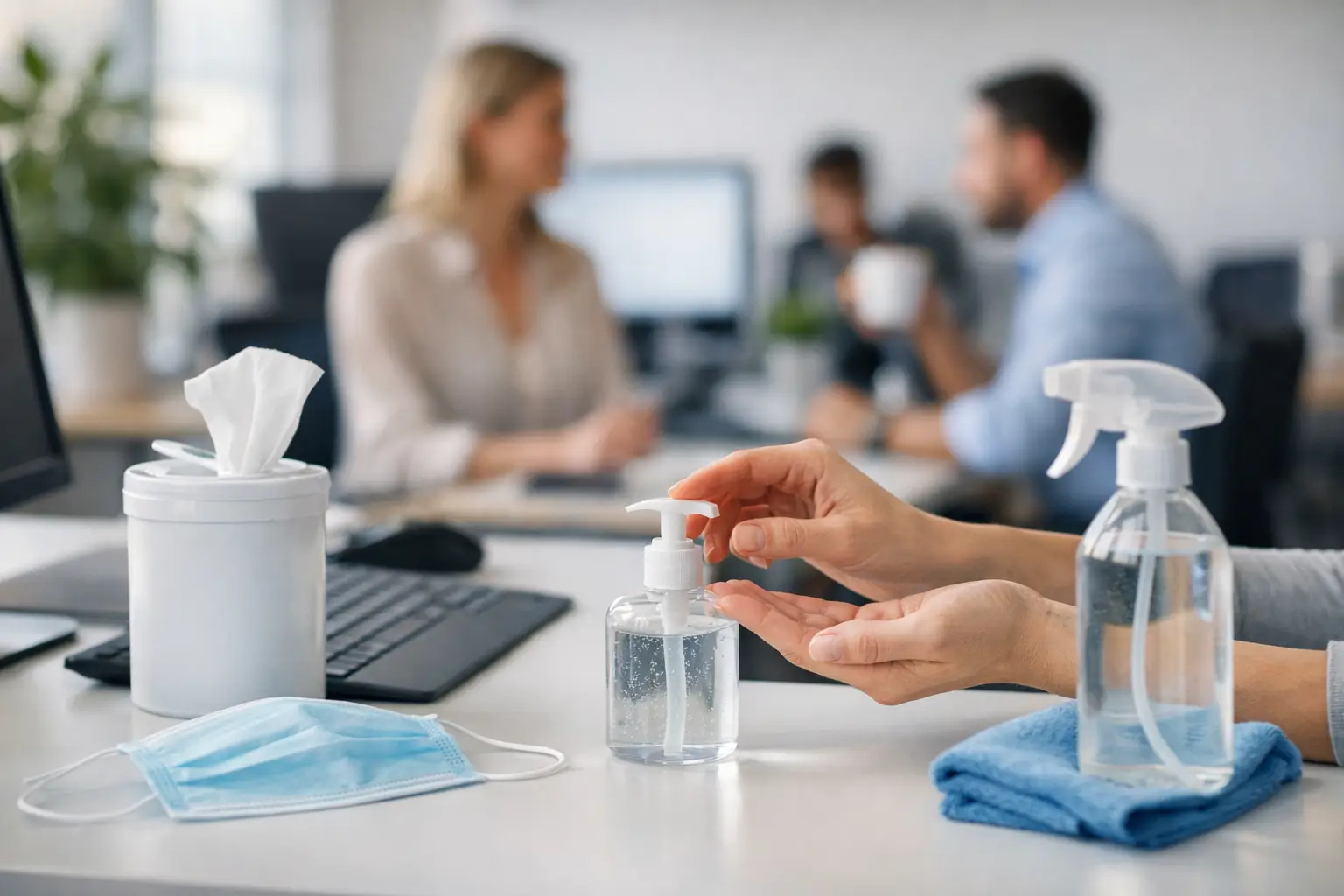
It also helps to make clean choices convenient. Put disinfecting wipes near shared equipment, provide hand soap and paper towels consistently, place trash and recycling bins where people need them, and keep a simple spill kit accessible. When supplies are hard to find, even well-intentioned employees tend to postpone cleanup.
Avoid Common Cleaning Mistakes
More product does not always mean a cleaner office. Overusing disinfectant can leave residue, damage certain surfaces, and create strong odors that employees dislike. Products need enough contact time to work, so spraying and immediately wiping may not deliver the intended result. Read labels, use products suited to the surface, and avoid mixing cleaning chemicals.
Another common issue is treating disinfection as a replacement for cleaning. A dirty surface should be cleaned first so dust, grease, and visible soil are removed. Disinfecting is then used where it is appropriate, particularly on frequently touched surfaces.
Finally, do not overlook indoor air and clutter. Cleaning can reduce dust on surfaces, but crowded desks, stacked boxes, and blocked vents make routine care harder. A simple organization standard supports better hygiene and a safer, more functional work environment.
When Professional Office Cleaning Makes Sense
An internal routine can handle small, immediate tasks, but professional office cleaning provides the reliable foundation. This is especially useful when staff are already busy, multiple people share responsibility for the space, or the office receives regular clients and visitors.
A dependable cleaning team can work around your schedule and deliver consistent attention to the areas that are easy to miss during a busy week. For office managers, that means fewer last-minute cleanup requests and more confidence that the workplace will be ready for the next workday. SRS Cleaning helps Orange County offices maintain that standard with detail-oriented service and clear communication.
A cleaner office is one less thing your team has to worry about. Set a practical routine, make everyday cleanup easy, and bring in trusted support when the work deserves more than a quick wipe-down.