
A House Cleaning Maintenance Schedule That Works
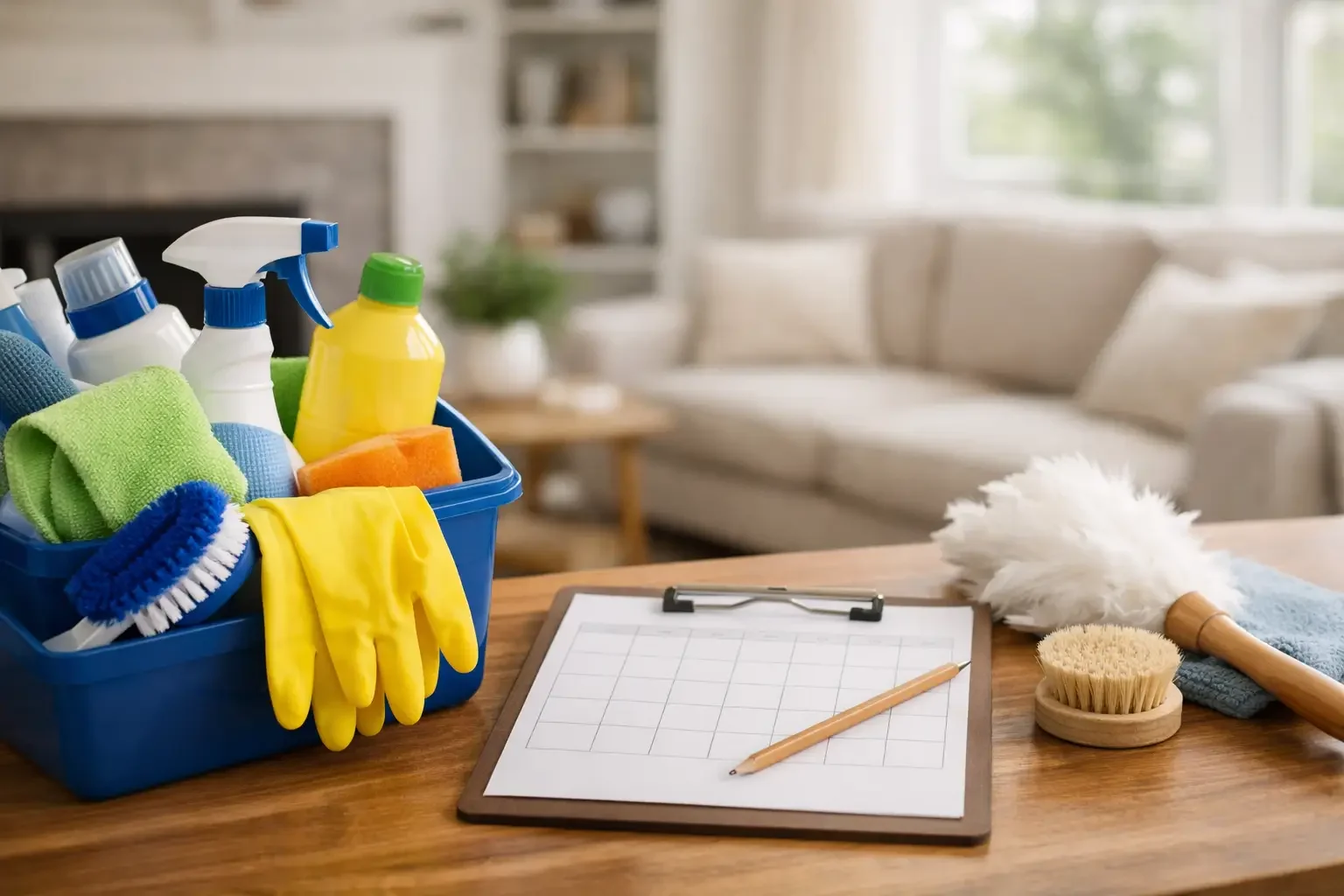
A clean home rarely comes from one exhausting Saturday spent catching up. It comes from a realistic house cleaning maintenance schedule that handles small needs before they become a full-house project. The right routine keeps your space comfortable for your family, guests, and quiet nights at home - without making cleaning another full-time job.
The goal is not a picture-perfect home at every hour. It is a home that feels cared for, functions well, and does not add to your mental load. For busy Orange County households, that usually means choosing a few high-impact tasks to handle often, assigning other jobs to a weekly rhythm, and bringing in professional help when deeper cleaning needs more time than you have.
Start With the Areas That Affect Daily Life
A useful cleaning schedule follows how you actually live. The kitchen, bathrooms, entryway, and main living areas tend to need attention most often because they collect crumbs, fingerprints, shoes, laundry, and the everyday evidence of a busy household.
Start by noticing what bothers you first when the house feels messy. For some people, it is a cluttered kitchen counter. For others, it is dusty floors, a bathroom sink, pet hair on the sofa, or a pile of shoes by the front door. Those pressure points should guide your routine.
A schedule that asks you to clean every room every day will not last. A schedule that gives you a few manageable resets will. Think of maintenance cleaning as keeping your home from reaching the point where everything feels urgent.
Your Daily House Cleaning Maintenance Schedule
Daily tasks should be short and focused. Ten to twenty minutes is often enough to keep the busiest areas under control. The best time is usually tied to an existing routine, such as after dinner, before bed, or before leaving for work.
In the kitchen, clear and wipe counters, load or unload the dishwasher, and quickly sweep up visible crumbs. Taking a minute to wipe the stove after cooking can prevent grease and splatters from becoming a tougher job later in the week.
In bathrooms, hang damp towels properly, wipe obvious toothpaste or water from the sink, and return products to their place. These small habits make a big difference in shared bathrooms, especially in homes with children or multiple adults getting ready at the same time.
A daily reset also includes putting away what has migrated into common spaces. Mail, backpacks, shoes, toys, and charging cords can make an otherwise clean room feel chaotic. You do not need to organize a closet each night. Simply return the visible items that do not belong in the room.
Weekly Cleaning Keeps the Home Feeling Fresh
Weekly cleaning is where the home gets a more complete refresh. Many households choose one longer session on the weekend, but that is not the only option. Splitting work across two or three days may be easier for working professionals, parents, and anyone who would rather protect their weekend time.
Focus your weekly effort on the tasks that maintain hygiene and appearance: vacuuming or mopping floors, cleaning bathroom fixtures, wiping kitchen surfaces and appliance exteriors, dusting accessible furniture, changing bed linens, and taking out trash and recycling.
It helps to work from high to low. Dust shelves, tables, and other surfaces first, then vacuum or mop floors last. This prevents you from cleaning the same area twice and makes the process more efficient.
A simple weekly rhythm
If you prefer a room-by-room approach, assign one main area to each day. For example, clean bathrooms on Monday, dust living spaces on Tuesday, refresh bedrooms on Wednesday, and give the kitchen extra attention on Thursday. Leave floors for Friday or the day before you expect guests.
If your schedule changes every week, do not tie tasks to specific weekdays. Keep a short weekly checklist instead and complete it whenever you have an open hour. Consistency matters more than whether the bathroom is always cleaned on a Tuesday.
Monthly Tasks Prevent Deep-Cleaning Buildup
Some areas do not need constant attention, but they should not be ignored until they become visibly grimy. Monthly maintenance protects the condition of your home and makes professional or seasonal deep cleaning more effective.
Set aside time to wipe cabinet fronts, clean inside the microwave, sanitize trash cans, dust blinds, wipe baseboards in high-traffic rooms, and clean mirrors more thoroughly. Check refrigerator shelves for expired items and wipe any spills before they leave odors or sticky residue.
This is also a good time to vacuum upholstered furniture, including under cushions where crumbs and pet hair collect. If you have pets, young children, or frequent visitors, you may need to handle some of these tasks twice a month instead.
Monthly cleaning does not have to happen all at once. Choose two or three tasks each week and rotate through them. That approach keeps the work light while ensuring less-visible areas still receive regular care.
Plan for Seasonal and Occasional Cleaning
Every home has jobs that sit outside the weekly routine. Windows, ceiling fans, light fixtures, behind appliances, inside cabinets, and detailed baseboard cleaning often need attention every few months rather than every few days.
Seasonal cleaning is also a practical time to assess what is no longer serving your household. Donate clothing that no longer fits, recycle old papers, and clear out bathroom or pantry items that have expired. Cleaning becomes easier when surfaces and storage areas are not overloaded.
There is a trade-off here: doing everything yourself can save money, but it can take up the limited time you want to spend with family, rest, or enjoy Southern California weekends. A recurring professional cleaning service can cover the detailed weekly work, while you handle the quick daily resets that keep your home running smoothly between visits.
Choose a Frequency That Fits Your Household
There is no single cleaning frequency that works for everyone. A one-bedroom apartment with one resident has different needs than a home with children, pets, and frequent guests. The right schedule depends on traffic, lifestyle, allergies, cooking habits, and your personal comfort level.
Weekly service is often a good fit for busy families, pet owners, and households that want bathrooms, floors, and kitchens to remain consistently guest-ready. Every-other-week cleaning can work well for smaller households that keep up with basic daily tasks. Monthly service may be enough for low-traffic homes, though it usually requires more maintenance between appointments.
If you are preparing for a move, hosting family, listing a property, or returning home after a busy season, start with a deep cleaning. It gives the home a fresh baseline. After that, a recurring plan is easier to maintain because the heavier buildup has already been addressed.
Make the Schedule Easier to Keep
The most effective routine is one with fewer decisions. Keep basic supplies where you use them, such as a bathroom-safe cleaner under each bathroom sink and microfiber cloths in the kitchen. When supplies are easy to reach, a two-minute wipe-down is far more likely to happen.
It also helps to divide responsibility clearly. In a shared home, vague expectations lead to missed tasks and frustration. Decide who handles dishes, laundry, pet areas, and trash, or choose a professional service to take the larger cleaning responsibilities off everyone’s plate.
Do not let a missed week convince you the plan has failed. Travel, illness, work deadlines, and school events happen. Resume with the next task rather than trying to make up every missed chore in one marathon session.
For homeowners and renters who want dependable support, SRS Cleaning Services can help establish a recurring plan that matches the pace of your household. Background-checked, insured professionals and clear scheduling make it easier to enjoy a cleaner home without giving up your time.
A maintenance schedule should leave room for real life. When the basics are handled regularly, your home feels calmer, cleaning feels less overwhelming, and the time you save can go back to the people and moments that matter most.
