
Entire House Cleaning Checklist That Saves Time
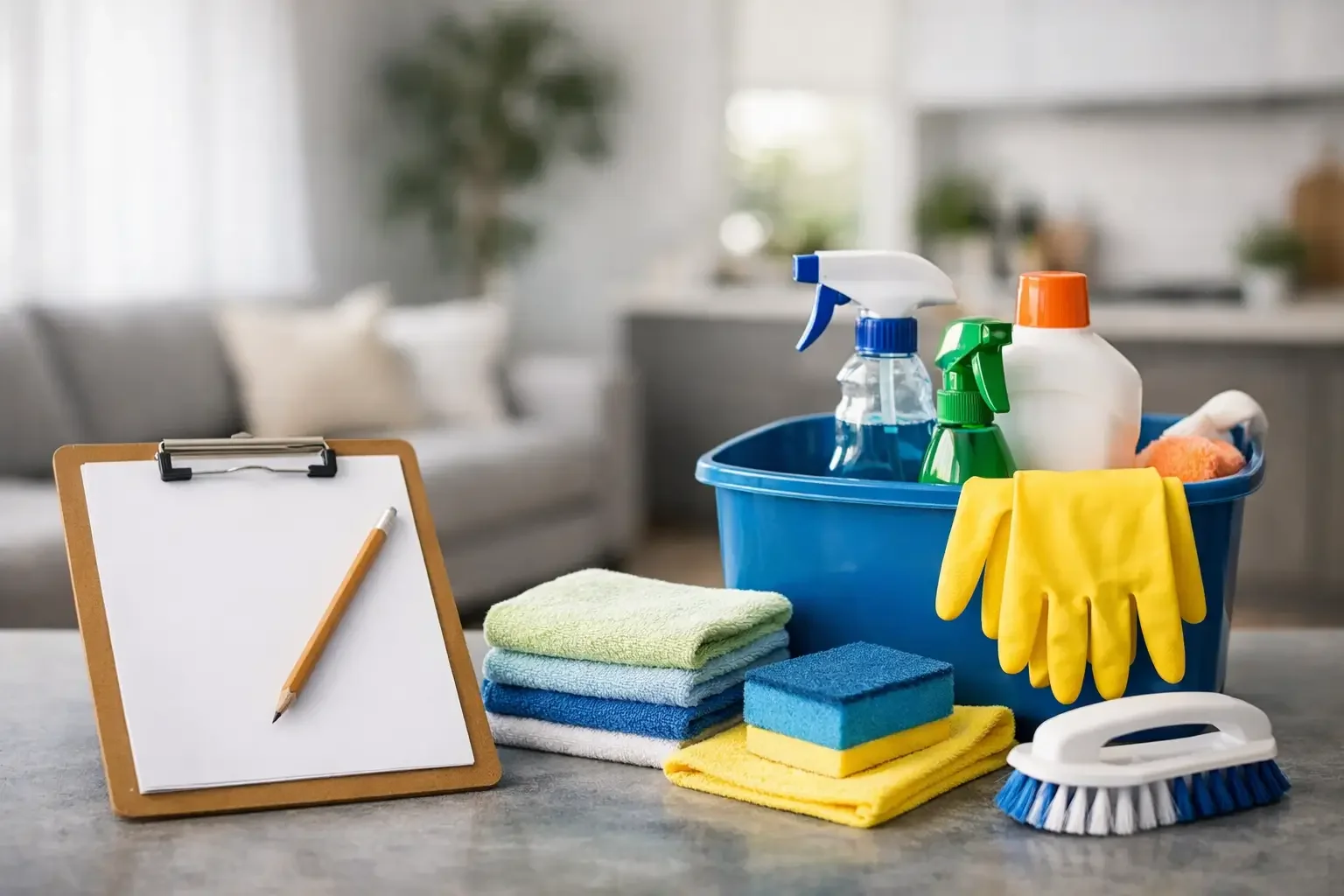
A home rarely feels messy because of one dramatic problem. More often, it is the small things that pile up: fingerprints on the fridge, crumbs under the table, laundry waiting in a chair, and a bathroom counter that never quite gets cleared. A practical entire house cleaning checklist gives those jobs a place, so cleaning feels manageable instead of endless.
The goal is not to make every room look staged. It is to create a home that feels comfortable, cared for, and easier to live in. Use this checklist for a weekly reset, a deeper seasonal clean, or as a starting point before a move, guests, or a busy week ahead.
Start With a Simple Plan
Before bringing out supplies, decide what kind of clean your home needs. A maintenance clean focuses on visible dirt, floors, bathrooms, and high-touch surfaces. A deep clean reaches the spots that are easy to postpone, such as baseboards, cabinet fronts, light fixtures, and behind furniture.
Trying to deep clean every room in one afternoon is where many plans fall apart. If time is limited, start with the kitchen, bathrooms, and main living areas. Those spaces affect how the whole house feels. Bedrooms and detail work can follow when you have more time.
Work from high to low in each room. Dust ceilings, vents, and shelves before wiping furniture, then save vacuuming or mopping for last. This prevents you from cleaning the same surface twice. Carry one caddy with your basics: microfiber cloths, a multipurpose cleaner appropriate for your surfaces, glass cleaner, a bathroom cleaner, a scrub brush, a vacuum, and a mop.
Entire House Cleaning Checklist: Every Room
Entryway and hallways
Your entry sets the tone when you walk in the door. It also collects outdoor dust, shoes, bags, and mail faster than almost any other space.
Put away shoes, coats, bags, and loose items.
Wipe the front door, handles, light switches, and nearby trim.
Dust console tables, frames, vents, and ledges.
Shake out or vacuum mats and rugs.
Vacuum or sweep the floor, paying attention to corners.
Mop hard flooring as needed.
If the entryway is constantly cluttered, the cleaning issue may actually be a storage issue. A basket for shoes or a small tray for keys can make the next reset much quicker.
Living room and family room
Living spaces should feel easy to settle into, not like another project waiting for you. Begin by returning items to their proper rooms, then straighten blankets and fluff cushions before cleaning surfaces.
Dust furniture, shelves, lamps, window sills, and décor.
Wipe coffee tables, side tables, remotes, and frequently touched switches.
Spot-clean upholstery according to the manufacturer’s care instructions.
Clean glass doors, mirrors, and television screens with the right cloth and product.
Vacuum rugs, upholstered furniture, and beneath movable cushions.
Vacuum or mop floors, including under furniture where accessible.
For homes with pets, run a lint roller or upholstery vacuum over sofas and chairs weekly. Pet hair is easier to manage when it is removed regularly rather than allowed to build up in fabric.
Kitchen
The kitchen deserves focused attention because it is used throughout the day. Start by clearing counters and loading or emptying the dishwasher. Once surfaces are open, you can clean more thoroughly and see what actually needs attention.
Wipe countertops, backsplash, cabinet handles, and appliance exteriors.
Clean the sink, faucet, drain area, and garbage disposal splash guard.
Wipe the stovetop and control knobs after they have cooled.
Clean inside the microwave and wipe the refrigerator handles and exterior.
Empty crumbs from the toaster and wipe small appliances.
Take out trash and recycling, then wipe the bins if needed.
Sweep carefully under the table, along baseboards, and around the refrigerator.
Mop the floor, beginning at the farthest point and working toward the exit.
A weekly clean does not always require emptying the refrigerator or scrubbing the oven interior. Those are better monthly or seasonal tasks unless there is a spill, odor, or upcoming move. Addressing fresh grease and food splatters promptly, however, makes the deeper work much easier.
Bathrooms
Bathrooms can look untidy quickly, but a consistent routine keeps them from becoming a major job. Let your cleaner sit on the tub, shower, and toilet surfaces for the recommended time while you wipe counters and mirrors.
Remove towels, bath mats, empty bottles, and personal items from surfaces.
Clean and disinfect the toilet, including the seat, lid, flush handle, and exterior.
Scrub the shower, tub, fixtures, and shower door or curtain area.
Wipe the vanity, sink, faucet, mirror, cabinet fronts, and light switches.
Empty trash and replace the liner if needed.
Vacuum hair and dust from corners, then mop the floor.
Put out fresh towels and restock toilet paper and soap.
Use products suited to the material you are cleaning. Natural stone, for example, can be damaged by acidic cleaners. If hard-water buildup is common in your Orange County home, regular attention to faucets and shower glass is usually easier than waiting for heavy mineral deposits to form.
Bedrooms
A clean bedroom supports a calmer end to the day. You do not need to organize every drawer during a weekly clean. Focus first on laundry, surfaces, bedding, and floors.
Make the bed with fresh sheets when it is laundry day.
Put clothing away, place dirty items in the hamper, and clear nightstands.
Dust headboards, dressers, lamps, blinds, and window sills.
Wipe nightstands, drawer pulls, switches, and door handles.
Empty small trash cans and remove cups or dishes.
Vacuum rugs, carpet, and under the bed where possible.
Mop hard floors if applicable.
For children’s rooms, a quick toy pickup before cleaning is usually enough for routine maintenance. Save detailed toy sorting for a separate session. Combining decluttering, organizing, and cleaning into one task can turn a 20-minute room reset into an exhausting afternoon.
Laundry room, home office, and utility areas
These rooms are often small, but they hold dust, paper clutter, and overlooked spills. Clean them regularly enough that they remain useful rather than becoming storage zones.
Wipe washer and dryer exteriors, shelves, and work surfaces.
Clear lint from the dryer filter after every load and clean the surrounding area.
Dust desks, monitors, lamps, and accessible cords in the home office.
Sort loose papers, recycle what is no longer needed, and return supplies to storage.
Wipe handles, switches, and cabinet fronts.
Vacuum or sweep floors, then mop as appropriate.
Do the Details Monthly or Seasonally
An entire house cleaning checklist works best when it separates routine care from occasional tasks. Trying to do every detail every week creates pressure without adding much benefit. Choose a few deeper tasks each month, or schedule them before holidays, a move, or a special event.
Dust ceiling fans, vents, blinds, and light fixtures.
Wipe baseboards, doors, door frames, and wall marks.
Clean inside the refrigerator, pantry, oven, and dishwasher filter.
Vacuum mattresses and rotate them if recommended by the manufacturer.
Wash shower curtains, bath mats, throw blankets, and pillow covers.
Move lighter furniture to vacuum or mop beneath it.
Clean interior windows and sliding door tracks.
Check under sinks and around toilets for leaks or moisture concerns.
Some jobs are best left to a professional, particularly when time is short or the home needs a full reset. Move-in and move-out cleaning, post-renovation dust, pre-sale preparation, and long-delayed deep cleaning can involve more labor than most households can comfortably fit into a weekend.
Keep the Checklist Realistic
The best schedule is the one you can maintain. A family with young children, pets, or frequent visitors may need kitchen and bathroom touch-ups several times a week. A single professional who travels often may prefer a more thorough clean every other week. There is no one right frequency.
Consider dividing work by time rather than by perfection. Spend 15 minutes each evening resetting the kitchen and living room, then choose one room for a more thorough weekly clean. This approach keeps the home functional without giving up an entire day off.
When the list becomes another source of stress, dependable help can be a practical choice. SRS Cleaning Services provides recurring and one-time cleaning for Orange County homes, with clear communication and the peace of mind that comes from a professionally managed visit.
A clean home does not need to happen all at once. Start with the room that will make tomorrow easier, complete the next few tasks with care, and let a simple routine create the calm you want to come home to.
